
Anna Karenina
Leo Tolstoy (1828–1910), 1878
★ 4.11 from 975k ratings on Goodreads
A society novel about a marriage coming apart and a landowner trying to build a meaningful life, full of dinner tables, fields, jealousy and philosophy. The novel moves between drawing rooms and fields with a lyrical, uneasy curiosity, letting love and philosophy press against society's manners.
Feels like curiosity, unease and wonder. About love, society and death.
Who it’s for
You may like it if you enjoy novels of marriage, society and moral argument, with many characters and long conversations. Be prepared for a long book with stretches of country-house talk and land-management philosophy that slow the story.
Why read it
It offers a wide, patient look at how people justify their choices to themselves, and why that makes the dinner-table scenes sting.
Pages from the book
The strange calm that arrives when a lie comes out perfectly.
Anna said what came to her lips, and marveled, hearing herself, at her own capacity for lying. How simple and natural were her words, and how likely that she was simply sleepy! She felt herself clad in an impenetrable armor of falsehood. She felt that some unseen force had come to her aid and was supporting her. Jealousy with no rival, only a falling quantity.
In her eyes the whole of him, with all his habits, ideas, desires, with all his spiritual and physical temperament, was one thing—love for women, and that love, she felt, ought to be entirely concentrated on her alone. That love was less; consequently, as she reasoned, he must have transferred part of his love to other women or to another woman—and she was jealous. She was jealous not of any particular woman but of the decrease of his love. Not having got an object for her jealousy, she was on the lookout for it. At the slightest hint she transferred her jealousy from one object to another. What mastery looks like when it costs no visible effort.
The old man, holding himself erect, moved in front, with his feet turned out, taking long, regular strides, and with a precise and regular action which seemed to cost him no more effort than swinging one’s arms in walking, as though it were in play, he laid down the high, even row of grass. It was as though it were not he but the sharp scythe of itself swishing through the juicy grass. What readers say
Readers say
Leo Tolstoy.Tolstoy began the novel after reading an unfinished Pushkin fragment that opens with guests arriving at a country house; the scene set off his own first chapter.
Books that feel like this
More by Leo Tolstoy
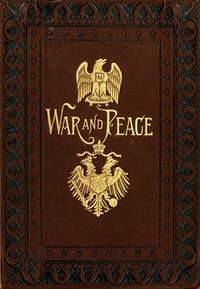
War and Peace
Leo Tolstoy, 1869
Five families, one invasion, and the small domestic hours that turn out to matter more than the battles. Read it for the people, not the history.
Where to get it
Some of these links earn us a small commission, at no cost to you. It keeps BookFeed free.
Questions readers ask
- Is Anna Karenina for me?
- You may like it if you enjoy novels of marriage, society and moral argument, with many characters and long conversations. Be prepared for a long book with stretches of country-house talk and land-management philosophy that slow the story.
- What is Anna Karenina like?
- The novel moves between drawing rooms and fields with a lyrical, uneasy curiosity, letting love and philosophy press against society's manners. Feels like curiosity, unease and wonder. About love, society and death.
- What should I read after Anna Karenina?
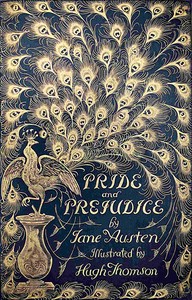
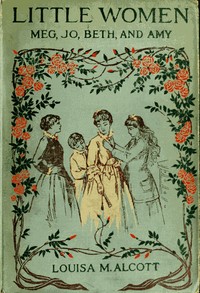
- If you liked Anna Karenina, try Pride and Prejudice (Jane Austen), Madame Bovary (Gustave Flaubert) and Little Women (Louisa May Alcott).
A taste of the feed
A man reframes his self-interest as an act of atonement.
Having now a good house and a very sufficient income, he intended to marry; and in seeking a reconciliation with the Longbourn family he had a wife in view, as he meant to choose one of the daughters, if he found them as handsome and amiable as they were represented by common report. This was his plan of amends—of atonement—for inheriting their father’s estate; and he thought it an excellent one, full of eligibility and suitableness, and excessively generous and disinterested on his own part.
Pride and Prejudice · Jane Austen
What if the punishment you wanted most was remorse, and it never came.
And if only fate would have sent him repentance—burning repentance that would have torn his heart and robbed him of sleep, that repentance, the awful agony of which brings visions of hanging or drowning! Oh, he would have been glad of it! Tears and agonies would at least have been life. But he did not repent of his crime.
Crime and Punishment · Fyodor Dostoevsky
The bravest lives are often the ones nobody applauds.
For many great deeds are performed in petty combats. There are instances of bravery ignored and obstinate, which defend themselves step by step in that fatal onslaught of necessities and turpitudes. Noble and mysterious triumphs which no eye beholds, which are requited with no renown, which are saluted with no trumpet blast. Life, misfortune, isolation, abandonment, poverty, are the fields of battle which have their heroes; obscure heroes, who are, sometimes, grander than the heroes who win renown.
Les Misérables · Victor Hugo
Read pages from books like this, one at a time
Keep reading in the feed