
Leaves of Grass
Walt Whitman (1819–1892), 1855
★ 4.11 from 120.3k ratings on Goodreads
A big, boastful, tender American voice that talks directly to you across time, celebrating bodies, cities and ordinary people. Dip in anywhere and find yourself addressed. The voice is expansive and joyful, moving in long, sweeping lines that mix tenderness with a direct, boastful address to you.
Feels like joy, wonder and tenderness. About identity, nature and love.
Who it’s for
You may like it if you enjoy poetry that speaks openly about bodies, cities and ordinary people, and if a big, self-confident voice suits you. The long, rhetorical lines and 19th-century diction can feel demanding, and some passages swell with a self-confident boastfulness that may wear on you.
Why read it
It offers a wide, welcoming view of American life and a voice that treats ordinary bodies and streets as worthy of song.
Pages from the book
Two eagles fall through the air locked together, then part.
Skirting the river road, (my forenoon walk, my rest,) Skyward in air a sudden muffled sound, the dalliance of the eagles, The rushing amorous contact high in space together, The clinching interlocking claws, a living, fierce, gyrating wheel, Four beating wings, two beaks, a swirling mass tight grappling, In tumbling turning clustering loops, straight downward falling, Till o’er the river pois’d, the twain yet one, a moment’s lull, A motionless still balance in the air, then parting, talons loosing, Upward again on slow-firm pinions slanting, their separate diverse flight, She hers, he his, pursuing. The sound that empties every bed, bargain and courtroom at once.
Beat! beat! drums!—blow! bugles! blow! Over the traffic of cities—over the rumble of wheels in the streets; Are beds prepared for sleepers at night in the houses? no sleepers must sleep in those beds, No bargainers’ bargains by day—no brokers or speculators—would they continue? Would the talkers be talking? would the singer attempt to sing? Would the lawyer rise in the court to state his case before the judge? Then rattle quicker, heavier drums—you bugles wilder blow. Why a withered wreath stays on its nail a little longer.
Somehow I cannot let it go yet, funeral though it is, Let it remain back there on its nail suspended, With pink, blue, yellow, all blanch’d, and the white now gray and ashy, One wither’d rose put years ago for thee, dear friend; But I do not forget thee. Hast thou then faded? Is the odor exhaled? Are the colors, vitalities, dead? No, while memories subtly play—the past vivid as ever; For but last night I woke, and in that spectral ring saw thee, Thy smile, eyes, face, calm, silent, loving as ever: So let the wreath hang still awhile within my eye-reach, It is not yet dead to me, nor even pallid. Walt Whitman.Whitman wrote several anonymous, glowing reviews of his own first edition in 1855, and printed Emerson's private letter of praise in a newspaper without asking him.
Books that feel like this

Where to get it
Some of these links earn us a small commission, at no cost to you. It keeps BookFeed free.
Questions readers ask
- Is Leaves of Grass for me?
- You may like it if you enjoy poetry that speaks openly about bodies, cities and ordinary people, and if a big, self-confident voice suits you. The long, rhetorical lines and 19th-century diction can feel demanding, and some passages swell with a self-confident boastfulness that may wear on you.
- What is Leaves of Grass like?
- The voice is expansive and joyful, moving in long, sweeping lines that mix tenderness with a direct, boastful address to you. Feels like joy, wonder and tenderness. About identity, nature and love.
- What should I read after Leaves of Grass?
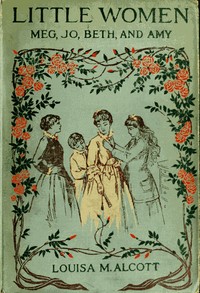
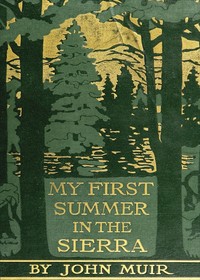
- If you liked Leaves of Grass, try Little Women (Louisa May Alcott), A Midsummer Night's Dream (William Shakespeare) and My First Summer in the Sierra (John Muir).
A taste of the feed
A description of a place so lush it can put a queen to sleep.
I know a banke where the wilde time blowes, Where Oxslips and the nodding Violet growes, Quite ouer-cannoped with luscious woodbine, With sweet muske roses, and with Eglantine; There sleepes Tytania, sometime of the night, Lul’d in these flowers, with dances and delight: And there the snake throwes her enammel’d skinne, Weed wide enough to rap a Fairy in.
A Midsummer Night's Dream · William Shakespeare
Pull on any one thing and the whole mountain moves.
No Sierra landscape that I have seen holds anything truly dead or dull, or any trace of what in manufactories is called rubbish or waste; everything is perfectly clean and pure and full of divine lessons. This quick, inevitable interest attaching to everything seems marvelous until the hand of God becomes visible; then it seems reasonable that what interests Him may well interest us. When we try to pick out anything by itself, we find it hitched to everything else in the universe. One fancies a heart like our own must be beating in every crystal and cell, and we feel like stopping to speak to the plants and animals as friendly fellow mountaineers.
My First Summer in the Sierra · John Muir
A wish for a last song that holds every kind of joy.
Let all the strains of joy mingle in my last song—the joy that makes the earth flow over in the riotous excess of the grass, the joy that sets the twin brothers, life and death, dancing over the wide world, the joy that sweeps in with the tempest, shaking and waking all life with laughter, the joy that sits still with its tears on the open red lotus of pain, and the joy that throws everything it has upon the dust, and knows not a word.
Gitanjali · Rabindranath Tagore
Read pages from books like this, one at a time
Keep reading in the feed