
Aesop's Fables
Aesop, -600
Eight-line stories that did the work of sermons, proverbs and parenting for two and a half thousand years, and still land in a single read. Short, plain tales with a sharp moral, a dry grin, and occasional tenderness, moving quickly from animal scene to verdict.
Feels like humor, tenderness and melancholy. About morality, power and identity.
Who it’s for
You may like it if you enjoy brief animal stories that end with a pointed lesson, especially in small doses. Some versions keep archaic wording and blunt moral judgments, so a few fables can feel more like old sermon notes than stories.
Why read it
A quick way to meet phrases and story shapes that have echoed for centuries, with each fable giving you a compact scene and a thought to carry off.
Pages from the book
What it costs to love something the world finds ridiculous.
Jupiter issued a proclamation to all the beasts, and offered a prize to the one who, in his judgment, produced the most beautiful offspring. Among the rest came the Monkey, carrying a baby monkey in her arms, a hairless, flat-nosed little fright. When they saw it, the gods all burst into peal on peal of laughter; but the Monkey hugged her little one to her, and said, “Jupiter may give the prize to whomsoever he likes: but I shall always think my baby the most beautiful of them all.” What we owe the old, and how quickly we stop owing it.
A Hound who had served his master well for years, and had run down many a quarry in his time, began to lose his strength and speed owing to age. One day, when out hunting, his master started a powerful wild boar and set the Hound at him. The latter seized the beast by the ear, but his teeth were gone and he could not retain his hold; so the boar escaped. His master began to scold him severely, but the Hound interrupted him with these words: “My will is as strong as ever, master, but my body is old and feeble. You ought to honour me for what I have been instead of abusing me for what I am.” Everyone has called for an ending on a bad day. Almost nobody meant it.
An Old Man cut himself a bundle of faggots in a wood and started to carry them home. He had a long way to go, and was tired out before he had got much more than half-way. Casting his burden on the ground, he called upon Death to come and release him from his life of toil. The words were scarcely out of his mouth when, much to his dismay, Death stood before him and professed his readiness to serve him. He was almost frightened out of his wits, but he had enough presence of mind to stammer out, “Good sir, if you’d be so kind, pray help me up with my burden again.” Aesop.Nobody knows whether Aesop existed. Herodotus placed him on Samos in the sixth century BCE as a slave; the first written collection of the fables came about three centuries later.
Books that feel like this


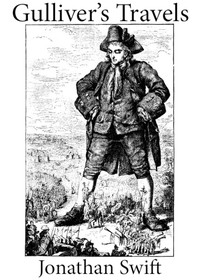
Gulliver's Travels into Several Remote Nations of the World
Jonathan Swift, 1726
Also humor and morality.
Where to get it
Some of these links earn us a small commission, at no cost to you. It keeps BookFeed free.
Questions readers ask
- Is Aesop's Fables for me?
- You may like it if you enjoy brief animal stories that end with a pointed lesson, especially in small doses. Some versions keep archaic wording and blunt moral judgments, so a few fables can feel more like old sermon notes than stories.
- What is Aesop's Fables like?
- Short, plain tales with a sharp moral, a dry grin, and occasional tenderness, moving quickly from animal scene to verdict. Feels like humor, tenderness and melancholy. About morality, power and identity.
- What should I read after Aesop's Fables?
- If you liked Aesop's Fables, try The Genealogy of Morals (Friedrich Nietzsche), The Essays or Counsels, Civil and Moral (Francis Bacon) and Analects (Confucius).
A taste of the feed
The trouble with trying to be humble.
In reality, there is, perhaps, no one of our natural passions so hard to subdue as pride. Disguise it, struggle with it, beat it down, stifle it, mortify it as much as one pleases, it is still alive, and will every now and then peep out and show itself; you will see it, perhaps, often in this history; for, even if I could conceive that I had compleatly overcome it, I should probably be proud of my humility.
Autobiography of Benjamin Franklin · Benjamin Franklin
Five ways to start a war, none of them requiring a reason.
“Sometimes the quarrel between two princes is to decide which of them shall dispossess a third of his dominions, where neither of them pretend to any right. Sometimes one prince quarrels with another for fear the other should quarrel with him. Sometimes a war is entered upon, because the enemy is too strong; and sometimes, because he is too weak. Sometimes our neighbours want the things which we have, or have the things which we want, and we both fight, till they take ours, or give us theirs. It is a very justifiable cause of a war, to invade a country after the people have been wasted by famine, destroyed by pestilence, or embroiled by factions among themselves.
Gulliver's Travels into Several Remote Nations of the World · Jonathan Swift
Read pages from books like this, one at a time
Keep reading in the feed