
The Essays or Counsels, Civil and Moral
Francis Bacon (1561–1626), 1597
★ 3.80 from 4.6k ratings on Goodreads
Short, dense essays on revenge, friendship, wealth, ambition and fear, written like a clever advisor's notes. Each page packs a lifetime of worldly observation into a few sharp sentences. Bacon's sentences come at you like notes from a shrewd, unsentimental advisor: brisk, compressed, and full of moral weight.
Feels like curiosity, humor and unease. About morality, power and society.
Who it’s for
You may like it if you enjoy aphorisms, political observation, and essays you can read slowly to unpack. The early modern English ('doth', 'saith') and tight, implicit arguments make some passages demanding.
Why read it
It offers compressed, worldly counsel on envy, ambition, friendship and fear, useful when you want a few sharp sentences to turn over.
Pages from the book
Why forgiving an enemy may be the stronger move.
For as for the first wrong, it doth but offend the law; but the revenge of that wrong, putteth the law out of office. Certainly, in taking revenge, a man is but even with his enemy; but in passing it over, he is superior; for it is a prince’s part to pardon. And Solomon, I am sure, saith, It is the glory of a man, to pass by an offence. That which is past is gone, and irrevocable; and wise men have enough to do, with things present and to come; therefore they do but trifle with themselves, that labor in past matters. There is no man doth a wrong, for the wrong’s sake; but thereby to purchase himself profit, or pleasure, or honor, or the like. Therefore why should I be angry with a man, for loving himself better than me? Three ways of taking in the world, each making a different person.
Reading maketh a full man; conference a ready man; and writing an exact man. And therefore, if a man write little, he had need have a great memory; if he confer little, he had need have a present wit: and if he read little, he had need have much cunning, to seem to know, that he doth not. What to do when the hill refuses to come to you.
Nay, you shall see a bold fellow many times do Mahomet’s miracle. Mahomet made the people believe that he would call an hill to him, and from the top of it offer up his prayers, for the observers of his law. The people assembled; Mahomet called the hill to come to him, again and again; and when the hill stood still, he was never a whit abashed, but said, If the hill will not come to Mahomet, Mahomet will go to the hill. So these men, when they have promised great matters, and failed most shamefully, yet (if they have the perfection of boldness) they will but slight it over, and make a turn, and no more ado. Certainly to men of great judgment, bold persons are a sport to behold; nay, and to the vulgar also, boldness has somewhat of the ridiculous. Francis Bacon.Bacon rose to Lord Chancellor of England, then in 1621 admitted to taking bribes as a judge and was removed from office. He kept revising the Essays until his death.
Books that feel like this

Where to get it
Some of these links earn us a small commission, at no cost to you. It keeps BookFeed free.
Questions readers ask
- Is The Essays or Counsels, Civil and Moral for me?
- You may like it if you enjoy aphorisms, political observation, and essays you can read slowly to unpack. The early modern English ('doth', 'saith') and tight, implicit arguments make some passages demanding.
- What is The Essays or Counsels, Civil and Moral like?
- Bacon's sentences come at you like notes from a shrewd, unsentimental advisor: brisk, compressed, and full of moral weight. Feels like curiosity, humor and unease. About morality, power and society.
- What should I read after The Essays or Counsels, Civil and Moral?
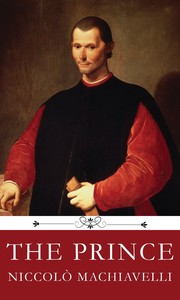
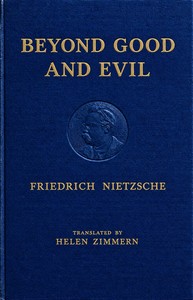
- If you liked The Essays or Counsels, Civil and Moral, try The Prince (Niccolò Machiavelli), Beyond Good and Evil (Friedrich Nietzsche) and Dialogues (Plato).
A taste of the feed
When the market stops following the rules, who is truly responsible for the collapse?
I was furious the situation had reached this point. A relatively small group of people—many on Wall Street, some not—had gambled that the housing market would keep booming forever. It didn’t. In a normal environment, the free market would render its judgment and they could fail.
Decision Points · George W. Bush
Read pages from books like this, one at a time
Keep reading in the feed