
The Lady of the Barge
W. W. Jacobs (1863–1943), 1902
Brisk, unnerving short stories from Edwardian England: a cursed paw, a tiger loose in a village, and men behaving badly — comic first, then cold. The stories read brisk and chatty, with a dry comic surface that can suddenly go cold and leave a lingering dread.
Feels like dread, nostalgia and wonder. About freedom and memory.
Who it’s for
You may like it if you enjoy Edwardian voices, sly comedy and stories that turn quietly gothic. Some pieces begin in broad, talky humour before the chill arrives, so the dread is not constant.
Why read it
Jacobs gives you quick, unsettling tales from Edwardian England, including the famous cursed paw, where ordinary talk slides into something darker.
Pages from the book
A house after a death keeps the shape of the people who left it.
Long before anybody else was astir he arose and stole softly downstairs. The sunlight was stealing in at every crevice, and flashing in long streaks across the darkened rooms. The dining-room into which he looked struck chill and cheerless in the dark yellow light which came through the lowered blinds. He remembered that it had the same appearance when his father lay dead in the house; now, as then, everything seemed ghastly and unreal; the very chairs standing as their occupants had left them the night before seemed to be indulging in some dark communication of ideas. The fire is lit, the chess is careless, and the rain will not stop.
At this Mrs. Gibbs’s temper, which had been rising, gave way altogether, and she stamped fiercely upon the deck. A stamp of the foot has been for all time a rough-and-ready means of signalling; the fore-scuttle was drawn back, and the face of a young and pretty girl appeared framed in the opening. The mate raised his eyebrows with a helpless gesture, and as for the unfortunate skipper, any jury would have found him guilty without leaving the box. The wife of his bosom, with a flaming visage, turned and regarded him. The moment you realise your friend has dressed for something you know nothing about.
The Major looked at him, and for the first time noticed an unusual neatness and dressiness in his friend’s attire. His collar was higher than usual; his tie, of the whitest and finest silk, bore a pin he never remembered to have seen before; and for the first time since he had known him, the Major, with a strange sinking at the heart, saw that he wore spats. W. W. Jacobs.Jacobs spent years as a clerk at the Post Office Savings Bank before his Thames-side stories made him famous; 'The Monkey's Paw' appeared in this collection in 1902.
Books that feel like this

Where to get it
Some of these links earn us a small commission, at no cost to you. It keeps BookFeed free.
Questions readers ask
- Is The Lady of the Barge for me?
- You may like it if you enjoy Edwardian voices, sly comedy and stories that turn quietly gothic. Some pieces begin in broad, talky humour before the chill arrives, so the dread is not constant.
- What is The Lady of the Barge like?
- The stories read brisk and chatty, with a dry comic surface that can suddenly go cold and leave a lingering dread. Feels like dread, nostalgia and wonder. About freedom and memory.
- What should I read after The Lady of the Barge?
- If you liked The Lady of the Barge, try Ghost Stories (E. F. Benson), Ghost Stories of an Antiquary (M. R. James) and The Turn of the Screw (Henry James).
A taste of the feed
Some people hold a wounded bird the way a hungry person holds a plate.
It was clear that the kindest thing to do would be to put the bird out of its pain, but when I suggested that, she took a step back from me, and covered it with her other hand. Her eyes gleamed, her mouth smiled, and I saw the tip of her tongue swiftly pass over her lips as if licking them.
Ghost Stories · E. F. Benson
Three hundred years old, and still checking for grey hairs.
Am I, then, immortal? This is a question which I have asked myself, by day and night, for now three hundred and three years, and yet cannot answer it. I detected a grey hair amidst my brown locks this very day—that surely signifies decay. Yet it may have remained concealed there for three hundred years—for some persons have become entirely white-headed before twenty years of age.
Short Fiction · Mary Shelley
What it feels like to watch your own hands disappear.
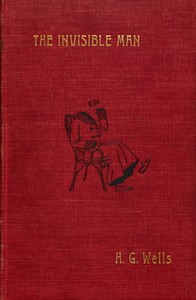
“The pain had passed. I thought I was killing myself and I did not care. I shall never forget that dawn, and the strange horror of seeing that my hands had become as clouded glass, and watching them grow clearer and thinner as the day went by, until at last I could see the sickly disorder of my room through them, though I closed my transparent eyelids. My limbs became glassy, the bones and arteries faded, vanished, and the little white nerves went last. I gritted my teeth and stayed there to the end. At last only the dead tips of the fingernails remained, pallid and white, and the brown stain of some acid upon my fingers.
The Invisible Man · H. G. Wells
Read pages from books like this, one at a time
Keep reading in the feed