
The Castle of Otranto
Horace Walpole (1717–1797), 1764
★ 3.20 from 46.7k ratings on Goodreads
A castle, an enormous helmet fallen from nowhere, and a tyrant with a guilty bloodline: the 1764 novel that invented gothic fiction and is still genuinely strange, funny and frightening. A strange, shadowed castle tale that moves in abrupt dramatic jolts, with dread and uneasy wonder.
Feels like dread, unease and wonder. About power, death and family.
Who it’s for
You may enjoy it if you like early gothic fiction, theatrical villains, and supernatural intrusions treated with deadpan seriousness. The 1764 prose is archaic and can be demanding, and some of the plot's turns arrive with little explanation.
Why read it
It shows gothic fiction at its raw, inventive start: a short, odd, atmospheric novel that gives you dread, power struggles, and a tyrant's guilty conscience.
Pages from the book
Watch a man talk himself out of his own remorse.
Manfred, though persuaded, like his wife, that the vision had been no work of fancy, recovered a little from the tempest of mind into which so many strange events had thrown him. Ashamed, too, of his inhuman treatment of a Princess who returned every injury with new marks of tenderness and duty, he felt returning love forcing itself into his eyes; but not less ashamed of feeling remorse towards one against whom he was inwardly meditating a yet more bitter outrage, he curbed the yearnings of his heart, and did not dare to lean even towards pity. The next transition of his soul was to exquisite villainy. The reasoning a frightened person uses to walk into the dark.
Isabella, whom every incident was sufficient to dismay, hesitated whether she should proceed. Her dread of Manfred soon outweighed every other terror. The very circumstance of the person avoiding her gave her a sort of courage. It could only be, she thought, some domestic belonging to the castle. Her gentleness had never raised her an enemy, and conscious innocence made her hope that, unless sent by the Prince’s order to seek her, his servants would rather assist than prevent her flight. Fortifying herself with these reflections, and believing by what she could observe that she was near the mouth of the subterraneous cavern, she approached the door that had been opened; but a sudden gust of wind that met her at the door extinguished her lamp, and left her in total darkness. The moment a celebration turns into a silence no one can fill.
Young Conrad’s birthday was fixed for his espousals. The company was assembled in the chapel of the Castle, and everything ready for beginning the divine office, when Conrad himself was missing. Manfred, impatient of the least delay, and who had not observed his son retire, despatched one of his attendants to summon the young Prince. The servant, who had not stayed long enough to have crossed the court to Conrad’s apartment, came running back breathless, in a frantic manner, his eyes staring, and foaming at the mouth. He said nothing, but pointed to the court. Horace Walpole.Walpole, an MP and the prime minister's son, spent decades turning his villa Strawberry Hill into a mock castle, sparking the Gothic Revival in brick as well as on the page.
Books that feel like this
Where to get it
Some of these links earn us a small commission, at no cost to you. It keeps BookFeed free.
Questions readers ask
- Is The Castle of Otranto for me?
- You may enjoy it if you like early gothic fiction, theatrical villains, and supernatural intrusions treated with deadpan seriousness. The 1764 prose is archaic and can be demanding, and some of the plot's turns arrive with little explanation.
- What is The Castle of Otranto like?
- A strange, shadowed castle tale that moves in abrupt dramatic jolts, with dread and uneasy wonder. Feels like dread, unease and wonder. About power, death and family.
- What should I read after The Castle of Otranto?
- If you liked The Castle of Otranto, try Dracula (Bram Stoker), Carmilla (Joseph Sheridan Le Fanu) and The Turn of the Screw (Henry James).
A taste of the feed
A mind wakes up with no history, and nobody to ask.
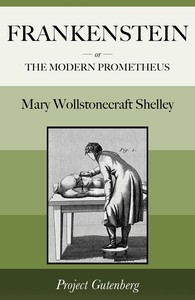
“But where were my friends and relations? No father had watched my infant days, no mother had blessed me with smiles and caresses; or if they had, all my past life was now a blot, a blind vacancy in which I distinguished nothing. From my earliest remembrance I had been as I then was in height and proportion. I had never yet seen a being resembling me or who claimed any intercourse with me. What was I? The question again recurred, to be answered only with groans.
Frankenstein · Mary Shelley
Read pages from books like this, one at a time
Keep reading in the feed