
Carmilla
Joseph Sheridan Le Fanu (1814–1873), 1872
★ 3.86 from 239.9k ratings on Goodreads
A lonely girl in a castle falls for a beautiful guest who arrives by night—a vampire story told through desire, dread and ambiguity. A close, uneasy gothic mood builds through slow dread, longing and ambiguous desire, with a voice that stays polite even when it turns disturbing.
Feels like dread, unease and longing. About love, death and identity.
Who it’s for
You may like it if you enjoy Victorian ghost stories, close first-person narration, and horror that works through atmosphere and desire rather than gore. The 1872 prose is ornate and sometimes slow, and the charged intimacy between the two women may feel unsettling rather than simply scary.
Why read it
It is short, strange and historically important: an early vampire tale whose ambiguity and desire still give the horror an unsettling intimacy.
Pages from the book
The words that sound like love until you hear the threat inside them.
Sometimes after an hour of apathy, my strange and beautiful companion would take my hand and hold it with a fond pressure, renewed again and again; blushing softly, gazing in my face with languid and burning eyes, and breathing so fast that her dress rose and fell with the tumultuous respiration. It was like the ardor of a lover; it embarrassed me; it was hateful and yet over-powering; and with gloating eyes she drew me to her, and her hot lips traveled along my cheek in kisses; and she would whisper, almost in sobs, “You are mine, you shall be mine, you and I are one for ever.” Then she had thrown herself back in her chair, with her small hands over her eyes, leaving me trembling. A memory of brushing her hair, told by someone who now knows too much.
She was slender, and wonderfully graceful. Except that her movements were languid—very languid—indeed, there was nothing in her appearance to indicate an invalid. Her complexion was rich and brilliant; her features were small and beautifully formed; her eyes large, dark, and lustrous; her hair was quite wonderful, I never saw hair so magnificently thick and long when it was down about her shoulders; I have often placed my hands under it, and laughed with wonder at its weight. It was exquisitely fine and soft, and in color a rich very dark brown, with something of gold. I loved to let it down, tumbling with its own weight, as, in her room, she lay back in her chair talking in her sweet low voice, I used to fold and braid it, and spread it out and play with it. Heavens! If I had but known all! It can wait by every route to your door, and it will.
How they escape from their graves and return to them for certain hours every day, without displacing the clay or leaving any trace of disturbance in the state of the coffin or the cerements, has always been admitted to be utterly inexplicable. The amphibious existence of the vampire is sustained by daily renewed slumber in the grave. Its horrible lust for living blood supplies the vigor of its waking existence. The vampire is prone to be fascinated with an engrossing vehemence, resembling the passion of love, by particular persons. In pursuit of these it will exercise inexhaustible patience and stratagem, for access to a particular object may be obstructed in a hundred ways. It will never desist until it has satiated its passion, and drained the very life of its coveted victim. Joseph Sheridan Le Fanu.A Dublin editor and ghost-story writer, Le Fanu first published Carmilla as a serial in the magazine Dark Blue, a quarter-century before Dracula appeared.
Books that feel like this

More by Joseph Sheridan Le Fanu
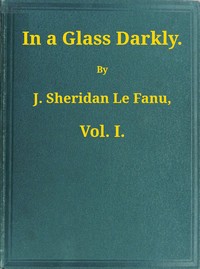
In a Glass Darkly, v. 1/3
Joseph Sheridan Le Fanu, 1872
Three case files from a doctor of the occult: a clergyman stalked by a monkey, a man followed by his own footsteps, a hanging judge whose house has other tenants.
Where to get it
Some of these links earn us a small commission, at no cost to you. It keeps BookFeed free.
Questions readers ask
- Is Carmilla for me?
- You may like it if you enjoy Victorian ghost stories, close first-person narration, and horror that works through atmosphere and desire rather than gore. The 1872 prose is ornate and sometimes slow, and the charged intimacy between the two women may feel unsettling rather than simply scary.
- What is Carmilla like?
- A close, uneasy gothic mood builds through slow dread, longing and ambiguous desire, with a voice that stays polite even when it turns disturbing. Feels like dread, unease and longing. About love, death and identity.
- What should I read after Carmilla?
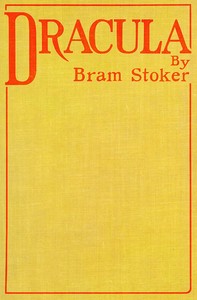
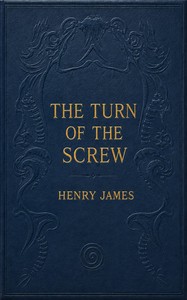
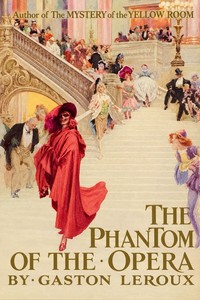
- If you liked Carmilla, try Dracula (Bram Stoker), The Turn of the Screw (Henry James) and The Phantom of the Opera (Gaston Leroux).
A taste of the feed
Watch a man talk himself out of his own remorse.
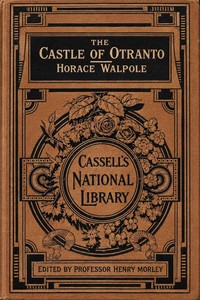
Manfred, though persuaded, like his wife, that the vision had been no work of fancy, recovered a little from the tempest of mind into which so many strange events had thrown him. Ashamed, too, of his inhuman treatment of a Princess who returned every injury with new marks of tenderness and duty, he felt returning love forcing itself into his eyes; but not less ashamed of feeling remorse towards one against whom he was inwardly meditating a yet more bitter outrage, he curbed the yearnings of his heart, and did not dare to lean even towards pity. The next transition of his soul was to exquisite villainy.
The Castle of Otranto · Horace Walpole
Read pages from books like this, one at a time
Keep reading in the feed