
Mansfield Park
Jane Austen (1775–1817), 1814
★ 3.86 from 392.3k ratings on Goodreads
A poor girl is raised by rich cousins who never let her forget the difference — and quietly learns to see them all clearly. Austen's voice is witty and watchful, with a quiet, tender pace and a steady moral seriousness beneath the family drama.
Feels like tenderness and wonder. About family, morality and love.
Who it’s for
You may like it if you enjoy close family drama, quiet irony, and watching a reserved heroine learn to judge character. The pace is unhurried and much of the tension comes from social slights and moral scrutiny, so it can feel slow if you want a more incident-driven story.
Why read it
It gives you Austen's sharp eye for family hierarchies and self-deception, plus a heroine whose quiet observations carry real weight.
Pages from the book
The particular loneliness of being in the room but not of it.
She was full of jealousy and agitation. Miss Crawford came with looks of gaiety which seemed an insult, with friendly expressions towards herself which she could hardly answer calmly. Everybody around her was gay and busy, prosperous and important; each had their object of interest, their part, their dress, their favourite scene, their friends and confederates: all were finding employment in consultations and comparisons, or diversion in the playful conceits they suggested. She alone was sad and insignificant: she had no share in anything; she might go or stay; she might be in the midst of their noise, or retreat from it to the solitude of the East room, without being seen or missed. She could almost think anything would have been preferable to this. What it costs a child to be told she is fortunate.
The grandeur of the house astonished, but could not console her. The rooms were too large for her to move in with ease: whatever she touched she expected to injure, and she crept about in constant terror of something or other; often retreating towards her own chamber to cry; and the little girl who was spoken of in the drawing-room when she left it at night as seeming so desirably sensible of her peculiar good fortune, ended every day’s sorrows by sobbing herself to sleep. A week had passed in this way, and no suspicion of it conveyed by her quiet passive manner, when she was found one morning by her cousin Edmund, the youngest of the sons, sitting crying on the attic stairs. A room of one's own, bought a shilling at a time.
The aspect was so favourable that even without a fire it was habitable in many an early spring and late autumn morning to such a willing mind as Fanny’s; and while there was a gleam of sunshine she hoped not to be driven from it entirely, even when winter came. The comfort of it in her hours of leisure was extreme. She could go there after anything unpleasant below, and find immediate consolation in some pursuit, or some train of thought at hand. Her plants, her books—of which she had been a collector from the first hour of her commanding a shilling—her writing-desk, and her works of charity and ingenuity, were all within her reach; or if indisposed for employment, if nothing but musing would do, she could scarcely see an object in that room which had not an interesting remembrance connected with it. Jane Austen.Two of Austen's brothers went to sea as boys; Francis ended his career as Admiral of the Fleet. Fanny's sailor brother William is the novel's warmest portrait.
Books that feel like this


More by Jane Austen
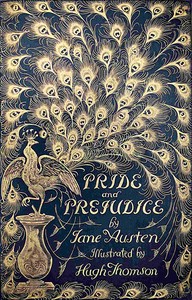
Pride and Prejudice
Jane Austen, 1813
A sharp-eyed comedy about money, manners and misjudgment, in which a quick-witted woman and a proud man keep being wrong about each other. Funnier and more cutting than its reputation suggests.
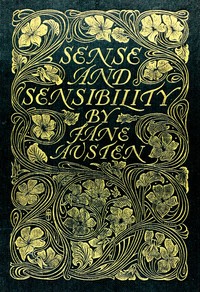
Sense and Sensibility
Jane Austen, 1811
Two sisters, one who feels everything and one who shows nothing, discover what each kind of restraint costs and conceals.
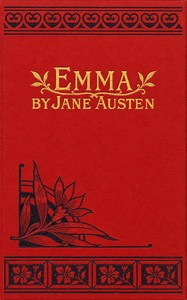
Emma
Jane Austen, 1815
A clever, rich, bored young woman decides to arrange her neighbours' love lives, and gets nearly everything wrong. Austen's funniest, most merciless book about self-knowledge.
Where to get it
Some of these links earn us a small commission, at no cost to you. It keeps BookFeed free.
Questions readers ask
- Is Mansfield Park for me?
- You may like it if you enjoy close family drama, quiet irony, and watching a reserved heroine learn to judge character. The pace is unhurried and much of the tension comes from social slights and moral scrutiny, so it can feel slow if you want a more incident-driven story.
- What is Mansfield Park like?
- Austen's voice is witty and watchful, with a quiet, tender pace and a steady moral seriousness beneath the family drama. Feels like tenderness and wonder. About family, morality and love.
- What should I read after Mansfield Park?
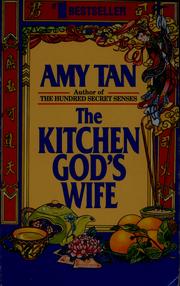
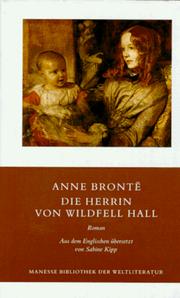
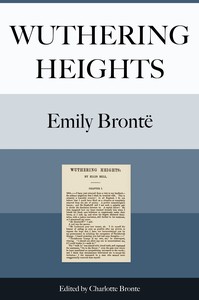
- If you liked Mansfield Park, try The Kitchen God's Wife (Amy Tan), The Tenant of Wildfell Hall (Anne Brontë) and Wuthering Heights (Emily Brontë).
A taste of the feed
The horizon finally breaks, unveiling a vast and unblemished landscape of freedom.
At length our walk was ended. The increasing height and boldness of the hills had for some time intercepted the prospect; but, on gaining the summit of a steep acclivity, and looking downward, an opening lay before us—and the blue sea burst upon our sight!—deep violet blue—not deadly calm, but covered with glinting breakers—diminutive white specks twinkling on its bosom, and scarcely to be distinguished, by the keenest vision, from the little seamews that sported above, their white wings glittering in the sunshine: only one or two vessels were visible, and those were far away.
The Tenant of Wildfell Hall · Anne Brontë
What you lose the moment you finally open the last letter.
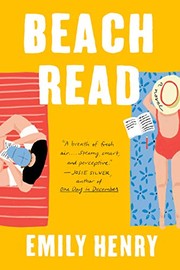
Either way, I’d fully intended to read the letter. I’d just been waiting for the right time, hoping the worst of my anger would settle and those last words from Dad would be comforting. Instead, a full year had passed and the dread I felt at the thought of opening the envelope grew every day. It was so unfair, that he should get the last word and I’d have no way to reply. To scream or cry or demand more answers. Once I’d opened it, there’d be no going back. That would be it. The final goodbye.
Beach Read · Emily Henry
The sister who decides things cleanly, and the one who can’t.
I wave a spoonful of cookie dough under Margot’s nose, and she hesitates and then opens her mouth. I feed it to her like a baby. “Wait and see, you and Josh will be back together in a day, maybe two.” But even as I’m saying it, I know it’s not true. Margot’s not the kind of girl to break up and get back together on a whim; once she’s decided something, that’s it. There’s no waffling, no regrets. It’s like she said: when she’s done, she’s just done.
To All the Boys I've Loved Before · Jenny Han
Read pages from books like this, one at a time
Keep reading in the feed