
Interview with the Vampire
Anne Rice, 1976
Horror Contemporary fictionFantasyLiterary fiction
A vampire tells a young reporter how he became a vampire, and the room grows colder as the tape runs. A cold, lyrical voice tells a long story of grief, faith and memory, moving slowly through dread and nostalgia.
Feels like dread, nostalgia and longing. About faith, memory and identity.
Who it’s for
You may like it if you enjoy gothic horror told in a reflective, literary voice and don't need a quick plot. The sorrow and dread are constant, and the narration lingers in memory and argument more than action.
Why read it
It gives you a gothic story about faith, evil and memory, with a voice that stays with you after the tape stops.
A page from the book
Why the devil survives even when God does not.
People who cease to believe in God or goodness altogether still believe in the devil. I don’t know why. No, I do indeed know why. Evil is always possible. And goodness is eternally difficult. Anne Rice.Anne Rice wrote Interview with the Vampire after the death of her five-year-old daughter, Michelle, from leukemia in 1972; the novel was published four years later.
Books that feel like this

Where to get it
Some of these links earn us a small commission, at no cost to you. It keeps BookFeed free.
Questions readers ask
- Is Interview with the Vampire for me?
- You may like it if you enjoy gothic horror told in a reflective, literary voice and don't need a quick plot. The sorrow and dread are constant, and the narration lingers in memory and argument more than action.
- What is Interview with the Vampire like?
- A cold, lyrical voice tells a long story of grief, faith and memory, moving slowly through dread and nostalgia. Feels like dread, nostalgia and longing. About faith, memory and identity.
- What should I read after Interview with the Vampire?
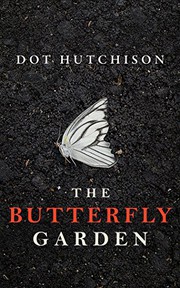
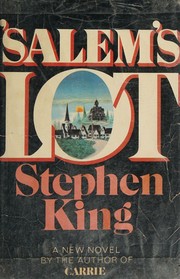
- If you liked Interview with the Vampire, try The Butterfly Garden (Dot Hutchison), Clockwork Angel (Cassandra Clare) and ’Salem’s Lot (Stephen King).
A taste of the feed
The fairy tale that explains why some people keep striking matches.
And that stupid little girl stood in the winter and kept lighting matches to catch glimpses of families that weren’t—could never be—hers and froze to death in those harsh moments of reality between matches, because even though matches can burn, they’re light, not heat.
The Butterfly Garden · Dot Hutchison
What it means when a shattered face doesn't bleed.
It connected with a sickening sound. Miranda reeled back—and then straightened. Tessa shrieked and dropped the globe, staring—the whole left side of Miranda’s face was crushed in, like a paper mask that had been smashed flat on one side. Her cheekbone was flattened, her lip mashed against her teeth. But there was no blood, no blood at all.
Clockwork Angel · Cassandra Clare
The monster under the bed has no therapist; adulthood is the only cure.
There is no group therapy or psychiatry or community social services for the child who must cope with the thing under the bed or in the cellar every night, the thing which leers and capers and threatens just beyond the point where vision will reach. The same lonely battle must be fought night after night and the only cure is the eventual ossification of the imaginary faculties, and this is called adulthood.
’Salem’s Lot · Stephen King
Read pages from books like this, one at a time
Keep reading in the feed