
Cien años de soledad
Gabriel García Márquez, 1967
★ 4.13 from 1.2m ratings on Goodreads
Seven generations of the Buendía family in a town where magnets, ice and alchemy are real—and solitude runs in the blood. Wonder and solitude share space with a family's long, lyrical drift through time, told in a steady, matter-of-fact voice.
Feels like wonder, nostalgia and melancholy. About family, solitude and time.
Who it’s for
You may enjoy it if you like patient, imaginative family sagas where the ordinary and the impossible sit side by side. Be warned that the recurring names and many generations can confuse or tire you, and some readers put it down out of boredom.
Why read it
Its sweep gives you a whole town and family to live inside, with a grandmotherly calm that makes ghosts and ice seem everyday.
A page from the book
A world so new that things must be pointed at, not named.
Muchos años después, frente al pelotón de fusilamiento, el coronel Aureliano Buendía había de recordar aquella tarde remota en que su padre lo llevó a conocer el hielo. Macondo era entonces una aldea de veinte casas de barro y cañabrava construidas a la orilla de un río de aguas diáfanas que se precipitaban por un lecho de piedras pulidas, blancas y enormes como huevos prehistóricos. El mundo era tan reciente, que muchas cosas carecían de nombre, y para mencionarlas había que señalarlas con el dedo. Todos los años, por el mes de marzo, una familia de gitanos desarrapados plantaba su carpa cerca de la aldea, y con un grande alboroto de pitos y timbales daban a conocer los nuevos inventos. Primero llevaron el imán. What readers say
Readers describe the novel as a dazzling, immersive experience, with many praising its imaginative sweep and magical realism. Others find the repeated names and sprawling generations confusing or tedious, and some abandon it out of boredom.
Gabriel García Márquez.García Márquez was raised by his grandparents in Aracataca, a Colombian banana town; his grandmother told ghost stories as ordinary news, a tone he made into Macondo.
Books that feel like this


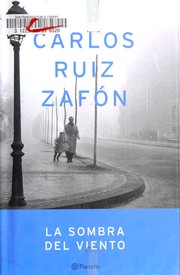
More by Gabriel García Márquez
One Hundred Years of Solitude
Gabriel García Márquez, 1967
A family and a town live through a century of wars, omens, loves and repetitions, told in prose where the impossible arrives like weather.
Where to get it
Some of these links earn us a small commission, at no cost to you. It keeps BookFeed free.
Questions readers ask
- Is Cien años de soledad for me?
- You may enjoy it if you like patient, imaginative family sagas where the ordinary and the impossible sit side by side. Be warned that the recurring names and many generations can confuse or tire you, and some readers put it down out of boredom.
- What is Cien años de soledad like?
- Wonder and solitude share space with a family's long, lyrical drift through time, told in a steady, matter-of-fact voice. Feels like wonder, nostalgia and melancholy. About family, solitude and time.
- What should I read after Cien años de soledad?
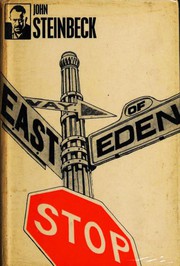
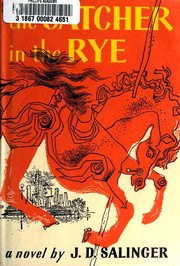
- If you liked Cien años de soledad, try East of Eden (John Steinbeck), Anna Karenina (Leo Tolstoy) and The Catcher in the Rye (J. D. Salinger).
A taste of the feed
The strange calm that arrives when a lie comes out perfectly.
Anna said what came to her lips, and marveled, hearing herself, at her own capacity for lying. How simple and natural were her words, and how likely that she was simply sleepy! She felt herself clad in an impenetrable armor of falsehood. She felt that some unseen force had come to her aid and was supporting her.
Anna Karenina · Leo Tolstoy
The only job that feels worth doing, and why it can't be real.
Anyway, I keep picturing all these little kids playing some game in this big field of rye and all. Thousands of little kids, and nobody’s around — nobody big, I mean — except me. And I’m standing on the edge of some crazy cliff. What I have to do, I have to catch everybody if they start to go over the cliff — I mean if they’re running and they don’t look where they’re going I have to come out from somewhere and catch them. That’s all I’d do all day. I’d just be the catcher in the rye, and all. I know it’s crazy, but that’s the only thing I’d really like to be. I know it’s crazy.
The Catcher in the Rye · J. D. Salinger
The world at dawn really does point its shadows the other way.
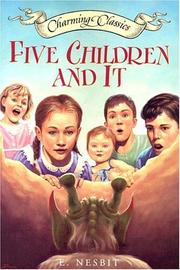
Have you ever been up at five o’clock on a fine summer morning? It is very beautiful. The sunlight is pinky and yellowy, and all the grass and trees are covered with dew-diamonds. And all the shadows go the opposite way to the way they do in the evening, which is very interesting and makes you feel as though you were in a new other world.
Five Children and It · E. Nesbit
Read pages from books like this, one at a time
Keep reading in the feed