
Five Children and It
E. Nesbit (1858–1924), 1902
★ 3.85 from 28.8k ratings on Goodreads
Five siblings dig up a grumpy sand-fairy who grants one wish a day, and every wish goes gloriously wrong. Edwardian mischief with real teeth. A bright, witty Edwardian family adventure with a lyrical edge and a grumpy fairy whose wishes keep turning strange.
Feels like wonder and nostalgia. About family and war.
Who it’s for
You may like it if you enjoy old-fashioned family stories, playful dialogue and children getting into gloriously messy trouble. The Edwardian phrasing and period references can be demanding, and some wish-driven episodes have a sharper, less cosy edge than the opening suggests.
Why read it
It offers a funny, unsentimental look at family life and desire, where every wish becomes a small lesson in consequences without losing its spark.
Pages from the book
The world at dawn really does point its shadows the other way.
Have you ever been up at five o’clock on a fine summer morning? It is very beautiful. The sunlight is pinky and yellowy, and all the grass and trees are covered with dew-diamonds. And all the shadows go the opposite way to the way they do in the evening, which is very interesting and makes you feel as though you were in a new other world. The right words are missing; a live map almost does it.
All the words in the English Dictionary, and in the Greek Lexicon as well, are, I find, of no use at all to tell you exactly what it feels like to be flying, so I will not try. But I will say that to look down on the fields and woods instead of along at them, is something like looking at a beautiful live map, where, instead of silly colours on paper, you have real moving sunny woods and green fields laid out one after the other. As Cyril said, and I can’t think where he got hold of such a strange expression, “It does you a fair treat!” It was most wonderful and more like real magic than any wish the children had had yet. When the adult who explains the sun also warns you about swallowing thread.
“I didn’t ask you,” said Jane, biting off a needleful of thread as she had always been strictly forbidden to do. (Perhaps you don’t know that if you bite off ends of cotton and swallow them they wind tight round your heart and kill you? My nurse told me this, and she told me also about the earth going round the sun. Now what is one to believe—what with nurses and science?) E. Nesbit.Nesbit helped found the Fabian Society in 1884, then wrote children's books at speed to support an unusually tangled household — the socialism and the silliness come from the same person.
Books that feel like this
More by E. Nesbit
Beautiful Stories from Shakespeare
E. Nesbit, 1907
Shakespeare's plays retold as clear, quick stories, so you know the plot before you meet the poetry.
Where to get it
Some of these links earn us a small commission, at no cost to you. It keeps BookFeed free.
Questions readers ask
- Is Five Children and It for me?
- You may like it if you enjoy old-fashioned family stories, playful dialogue and children getting into gloriously messy trouble. The Edwardian phrasing and period references can be demanding, and some wish-driven episodes have a sharper, less cosy edge than the opening suggests.
- What is Five Children and It like?
- A bright, witty Edwardian family adventure with a lyrical edge and a grumpy fairy whose wishes keep turning strange. Feels like wonder and nostalgia. About family and war.
- What should I read after Five Children and It?
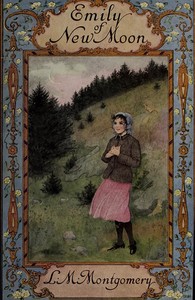
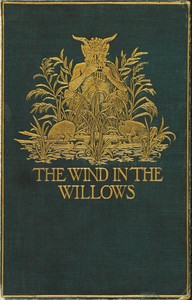
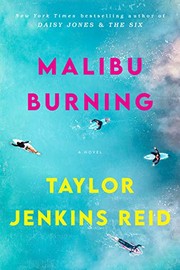
- If you liked Five Children and It, try Emily of New Moon (L. M. Montgomery), The Wind in the Willows (Kenneth Grahame) and Malibu Rising (Taylor Jenkins Reid).
A taste of the feed
Ask four siblings about their parents' marriage and you get four different books.
The story of June and Mick Riva seemed like a tragedy to their oldest child, Nina. It felt like a comedy of errors to their first son, Jay. It was an origin story for their second son, Hud. And a mystery to the baby of the family, Kit. To Mick himself it was just a chapter of his memoir.
Malibu Rising · Taylor Jenkins Reid
No one gets over the first time they are treated unfairly.
Not the pain of this but its unfairness was what dazed Peter. It made him quite helpless. He could only stare, horrified. Every child is affected thus the first time he is treated unfairly. All he thinks he has a right to when he comes to you to be yours is fairness. After you have been unfair to him he will love you again, but will never afterwards be quite the same boy. No one ever gets over the first unfairness; no one except Peter. He often met it, but he always forgot it. I suppose that was the real difference between him and all the rest.
Peter Pan · J. M. Barrie
The moment you realise time isn’t passing but turning in circles.
—Qué quería —murmuró—, el tiempo pasa. —Así es,—dijo Úrsula—, pero no tanto. Al decirlo, tuvo conciencia de estar dando la misma réplica que recibió del coronel Aureliano Buendía en su celda de sentenciado, y una vez más se estremeció con la comprobación de que el tiempo no pasaba, como ella lo acababa de admitir, sino que daba vueltas en redondo.
One Hundred Years of Solitude · Gabriel García Márquez
Read pages from books like this, one at a time
Keep reading in the feed