
The Wind in the Willows
Kenneth Grahame (1859–1932), 1908
★ 4.03 from 250.3k ratings on Goodreads
A mole leaves his burrow for the river, and a year of picnics, snug burrows, mad motor-cars and one strange dawn unfolds. It is the most comforting book about friendship and home. The read is gentle and unhurried, full of riverbank light, cosy burrows and a tenderness that gathers around friendship and home.
Feels like tenderness, nostalgia and joy. About friendship, home and nature.
Who it’s for
You may like it if you enjoy quiet, lyrical nature writing and stories where friendship and domestic comfort matter more than plot. The Edwardian prose is often leisurely and thick with description, so a few stretches may test your patience.
Why read it
It gives you a warm, unhurried place to return to, and it takes friendship, home and the natural world seriously without becoming solemn.
Pages from the book
The day a familiar ridge of hills turns into a question.
Restlessly the Rat wandered off once more, climbed the slope that rose gently from the north bank of the river, and lay looking out towards the great ring of Downs that barred his vision further southwards—his simple horizon hitherto, his Mountains of the Moon, his limit behind which lay nothing he had cared to see or to know. To-day, to him gazing South with a new-born need stirring in his heart, the clear sky over their long low outline seemed to pulsate with promise; to-day, the unseen was everything, the unknown the only real fact of life. On this side of the hills was now the real blank, on the other lay the crowded and coloured panorama that his inner eye was seeing so clearly. What seas lay beyond, green, leaping, and crested! What sun-bathed coasts, along which the white villas glittered against the olive woods! A mercy that looks, at first, exactly like a loss.
For this is the last best gift that the kindly demi-god is careful to bestow on those to whom he has revealed himself in their helping: the gift of forgetfulness. Lest the awful remembrance should remain and grow, and overshadow mirth and pleasure, and the great haunting memory should spoil all the after-lives of little animals helped out of difficulties, in order that they should be happy and lighthearted as before. The sob you can feel coming and cannot stop.
The Mole subsided forlornly on a tree-stump and tried to control himself, for he felt it surely coming. The sob he had fought with so long refused to be beaten. Up and up, it forced its way to the air, and then another, and another, and others thick and fast; till poor Mole at last gave up the struggle, and cried freely and helplessly and openly, now that he knew it was all over and he had lost what he could hardly be said to have found. Kenneth Grahame.Grahame was Secretary of the Bank of England, and in 1903 a man fired shots at him inside the bank and missed. The book grew from bedtime stories he told his son Alastair.
Books that feel like this

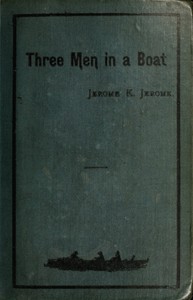
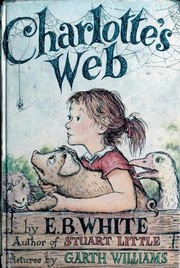
Three men in a boat (to say nothing of the dog)
Jerome K. Jerome, 1889
Also friendship and nostalgia.
Where to get it
Some of these links earn us a small commission, at no cost to you. It keeps BookFeed free.
Questions readers ask
- Is The Wind in the Willows for me?
- You may like it if you enjoy quiet, lyrical nature writing and stories where friendship and domestic comfort matter more than plot. The Edwardian prose is often leisurely and thick with description, so a few stretches may test your patience.
- What is The Wind in the Willows like?
- The read is gentle and unhurried, full of riverbank light, cosy burrows and a tenderness that gathers around friendship and home. Feels like tenderness, nostalgia and joy. About friendship, home and nature.
- What should I read after The Wind in the Willows?
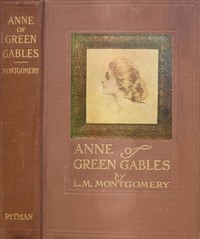
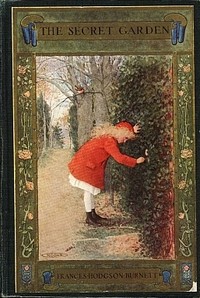
- If you liked The Wind in the Willows, try Anne of Green Gables (L. M. Montgomery), The Secret Garden (Frances Hodgson Burnett) and The Wonderful Wizard of Oz (L. Frank Baum).
A taste of the feed
What does the limitless geography of a child's mind look like?
Anne was curled up Turk-fashion on the hearthrug, gazing into that joyous glow where the sunshine of a hundred summers was being distilled from the maple cordwood. She had been reading, but her book had slipped to the floor, and now she was dreaming, with a smile on her parted lips. Glittering castles in Spain were shaping themselves out of the mists and rainbows of her lively fancy; adventures wonderful and enthralling were happening to her in cloudland—adventures that always turned out triumphantly and never involved her in scrapes like those of actual life.
Anne of Green Gables · L. M. Montgomery
How does an entire civilization exist through a filter of green glass?
Even with eyes protected by the green spectacles, Dorothy and her friends were at first dazzled by the brilliancy of the wonderful City. The streets were lined with beautiful houses all built of green marble and studded everywhere with sparkling emeralds. They walked over a pavement of the same green marble, and where the blocks were joined together were rows of emeralds, set closely, and glittering in the brightness of the sun. The window panes were of green glass; even the sky above the City had a green tint, and the rays of the sun were green.
The Wonderful Wizard of Oz · L. Frank Baum
The short list of what a life actually needs, packed in one sentence.
Throw the lumber over, man! Let your boat of life be light, packed with only what you need—a homely home and simple pleasures, one or two friends, worth the name, someone to love and someone to love you, a cat, a dog, and a pipe or two, enough to eat and enough to wear, and a little more than enough to drink; for thirst is a dangerous thing.
Three men in a boat (to say nothing of the dog) · Jerome K. Jerome
Read pages from books like this, one at a time
Keep reading in the feed