
Emily of New Moon
L. M. Montgomery (1874–1942), 1923
★ 4.13 from 56.1k ratings on Goodreads
An orphan with a stub of pencil and an unshakeable inner life is sent to live with stern relatives on Prince Edward Island, and starts writing them all down. The book has a lyrical, witty voice and a gentle pace, with a strong sense of wonder and family tension.
Feels like wonder and nostalgia. About art, family and adventure.
Who it’s for
You may like it if you enjoy quiet, lyrical stories about a child’s imagination, writing, and uneasy family life. The prose from 1923 and the rural Prince Edward Island setting can feel old-fashioned, so it may not suit readers who want a very modern voice.
Why read it
It gives you a vivid, witty portrait of a girl learning to trust her own observations and turn them into writing, with a strong sense of place.
Pages from the book
The house nobody finished, and the girl who finishes it in her head.
Off to the right, on the crest of a steep little hill, covered with young birches and firs, was a house that puzzled and intrigued Emily. It was grey and weatherworn, but it didn’t look old. It had never been finished; the roof was shingled but the sides were not, and the windows were boarded over. Why had it never been finished? And it was meant to be such a pretty little house—a house you could love—a house where there would be nice chairs and cozy fires and bookcases and lovely, fat, purry cats and unexpected corners; then and there she named it the Disappointed House, and many an hour thereafter did she spend finishing that house, furnishing it as it should be furnished, and inventing the proper people and animals to live in it. The day the world stays beautiful and stops mattering.
“There isn’t anybody in the world who loves me now,” she said, as she curled up on her bed by the window. But she was determined she would not cry. The Murrays, who had hated her father, should not see her crying. She felt that she detested them all—except perhaps Aunt Laura. How very big and empty the world had suddenly become. Nothing was interesting any more. It did not matter that the little squat apple-tree between Adam-and-Eve had become a thing of rose-and-snow beauty—that the hills beyond the hollow were of green silk, purple-misted—that the daffodils were out in the garden—that the birches were hung all over with golden tassels—that the Wind Woman was blowing white young clouds across the sky. None of these things had any charm or consolation for her now. In her inexperience she believed they never would have again. A word for something no dictionary has got round to yet.
“Mike II is here with me, sitting on the windowsill. Mike is a smee cat. Smee is not in the dictionary. It is a word I invented myself. I could not think of any English word which just describes Mike II so I made this up. It means sleek and glossy and soft and fluffy all in one and something else besides that I cant express. L. M. Montgomery.Montgomery grew up in Cavendish, Prince Edward Island, raised by her grandparents after her mother's death — the world she later gave to both Anne Shirley and Emily Starr.
Books that feel like this

More by L. M. Montgomery
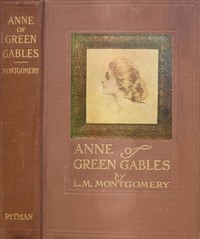
Anne of Green Gables
L. M. Montgomery, 1908
A vibrant, deeply imaginative coming-of-age story woven through the lush landscape of rural Canada.
Anne of Avonlea
L. M. Montgomery, 1909
Anne Shirley is seventeen, with a school to teach, twins to raise and a village to improve — and no intention of letting growing up make her sensible.
Where to get it
Some of these links earn us a small commission, at no cost to you. It keeps BookFeed free.
Questions readers ask
- Is Emily of New Moon for me?
- You may like it if you enjoy quiet, lyrical stories about a child’s imagination, writing, and uneasy family life. The prose from 1923 and the rural Prince Edward Island setting can feel old-fashioned, so it may not suit readers who want a very modern voice.
- What is Emily of New Moon like?
- The book has a lyrical, witty voice and a gentle pace, with a strong sense of wonder and family tension. Feels like wonder and nostalgia. About art, family and adventure.
- What should I read after Emily of New Moon?
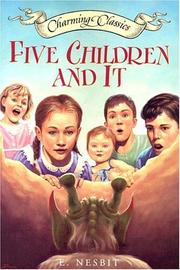
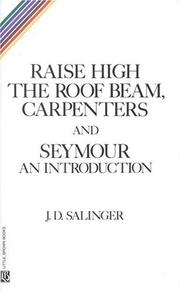
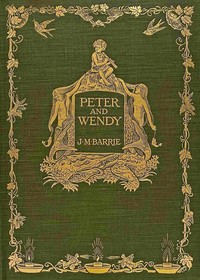
- If you liked Emily of New Moon, try Five Children and It (E. Nesbit), Raise High the Roof Beam, Carpenters (J. D. Salinger) and Peter Pan (J. M. Barrie).
A taste of the feed
The world at dawn really does point its shadows the other way.
Have you ever been up at five o’clock on a fine summer morning? It is very beautiful. The sunlight is pinky and yellowy, and all the grass and trees are covered with dew-diamonds. And all the shadows go the opposite way to the way they do in the evening, which is very interesting and makes you feel as though you were in a new other world.
Five Children and It · E. Nesbit
Someone reads your job title back to you and quietly disagrees.
Do you know what I was smiling at? You wrote down that you were a writer by profession. It sounded to me like the loveliest euphemism I had ever heard. When was writing ever your profession? It’s never been anything but your religion.
Raise High the Roof Beam, Carpenters · J. D. Salinger
No one gets over the first time they are treated unfairly.
Not the pain of this but its unfairness was what dazed Peter. It made him quite helpless. He could only stare, horrified. Every child is affected thus the first time he is treated unfairly. All he thinks he has a right to when he comes to you to be yours is fairness. After you have been unfair to him he will love you again, but will never afterwards be quite the same boy. No one ever gets over the first unfairness; no one except Peter. He often met it, but he always forgot it. I suppose that was the real difference between him and all the rest.
Peter Pan · J. M. Barrie
Read pages from books like this, one at a time
Keep reading in the feed