
The Grapes of Wrath
John Steinbeck, 1931
★ 3.92 from 177 ratings on Goodreads
A raw, epic chronicle of displacement and despair that examines what happens when the American dream meets the harsh realities of the Dust Bowl. Steinbeck's plain, direct prose carries a heavy mood of dread and grief through a wide social landscape, moving slowly but with dramatic force.
Feels like dread, grief and melancholy. About society, freedom and nature.
Who it’s for
You may like it if you want a socially engaged novel with vivid hardship and plain, direct prose. Be aware that many readers find it slow and depressing, and some are unsatisfied by its ending.
Why read it
It offers a direct look at displacement, poverty and social pressure, and at how people keep moving when the ground gives way.
A page from the book
Even when disaster strikes, the stubborn human spirit refuses to surrender.
This you may say of man — when theories change and crash, when schools, philosophies, when narrow dark alleys of thought, national, religious, economic, grow and disintegrate, man reaches, stumbles forward, painfully, mistakenly sometimes. Having stepped forward, he may slip back, but only half a step, never the full step back. This you may say and know it and know it. This you may know when the bombs plummet out of the black planes on the market place, when prisoners are stuck like pigs, when the crushed bodies drain filthily in the dust. You may know it in this way. If the step were not being taken, if the stumbling-forward ache were not alive, the bombs would not fall, the throats would not be cut. Fear the time when the bombs stop falling while the bombers live — for every bomb is proof that the spirit has not died. What readers say
Readers often call it moving and important, with vivid hardship and social concern, though many also find it slow, depressing, and unsatisfying at the end.
John Steinbeck.Steinbeck's novel was originally intended as a short piece for a magazine, which explains its powerful, direct prose and focus on the immediacy of human suffering.
Books that feel like this


More by John Steinbeck
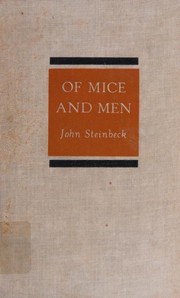
Of Mice and Men
John Steinbeck, 1937
Two migrant workers drift through Depression-era California, trading a shared dream of a small farm against the cost of staying together.
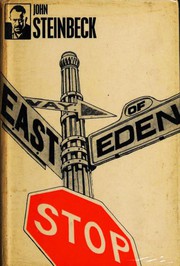
East of Eden
John Steinbeck, 1952
Two generations of a California family, a retelling of Cain and Abel, and one Hebrew word that means 'thou mayest.'

Travels with Charley
John Steinbeck, 1962
At fifty-eight, Steinbeck loads a camper with a poodle and drives across America, looking for the country he remembers and testing his own restlessness.
Where to get it
Some of these links earn us a small commission, at no cost to you. It keeps BookFeed free.
Questions readers ask
- Is The Grapes of Wrath for me?
- You may like it if you want a socially engaged novel with vivid hardship and plain, direct prose. Be aware that many readers find it slow and depressing, and some are unsatisfied by its ending.
- What is The Grapes of Wrath like?
- Steinbeck's plain, direct prose carries a heavy mood of dread and grief through a wide social landscape, moving slowly but with dramatic force. Feels like dread, grief and melancholy. About society, freedom and nature.
- What should I read after The Grapes of Wrath?
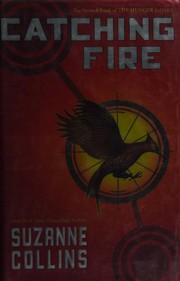
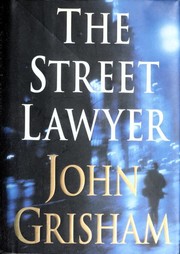
- If you liked The Grapes of Wrath, try The Handmaid's Tale (Margaret Atwood), Catching Fire (Suzanne Collins) and The Street Lawyer (John Grisham).
A taste of the feed
The endearing details that make a monster seem human.
He was not a monster, to her. Probably he had some endearing trait: he whistled, off key, in the shower, he had a yen for truffles, he called his dog Liebchen and made it sit up for little pieces of raw steak. How easy it is to invent a humanity, for anyone at all.
The Handmaid's Tale · Margaret Atwood
What is the cost of convincing a system it is fragile?
“I think we’ll make this whole situation a lot simpler by agreeing not to lie to each other,” he says. “What do you think?” I think my tongue has frozen and speech will be impossible, so I surprise myself by answering back in a steady voice, “Yes, I think that would save time.” “Whatever problems anyone may have with the Capitol, believe me when I say that if it released its grip on the districts for even a short time, the entire system would collapse.” [...] “It must be very fragile, if a handful of berries can bring it down.”
Catching Fire · Suzanne Collins
When authority is challenged by brutality, the line between life and death evaporates.
“Put that gun down,” Rafter ordered from the doorway, and a split second later another shot rang through the reception area, a shot that went into the ceiling somewhere well above Rafter’s head and reduced him to a mere mortal. Turning the gun back to me, he nodded, and I complied, entering the conference room behind Rafter. The last thing I saw on the outside was Madam Devier shaking at her desk, terror-stricken, headset around her neck, high heels parked neatly next to her wastebasket.
The Street Lawyer · John Grisham
Read pages from books like this, one at a time
Keep reading in the feed