
The Handmaid's Tale
Margaret Atwood, 1985
★ 4.16 from 2.6m ratings on Goodreads
A woman survives in a theocratic state where her body is a resource; her wry, precise voice reports the daily cost of obedience. A controlled, wry voice reports a grim theocratic world, so dread and unease build steadily even when the pace slows.
Feels like dread, unease and defiance. About society, power and freedom.
Who it’s for
You may like it if you want a politically sharp novel that trusts you to sit with discomfort and think. Be warned that many readers find it emotionally draining, with a distant protagonist and an ambiguous ending that can frustrate.
Why read it
Its wry, exact voice makes the daily cost of obedience vivid, and the future lecture frame asks how societies explain cruelty after the fact.
A page from the book
The endearing details that make a monster seem human.
He was not a monster, to her. Probably he had some endearing trait: he whistled, off key, in the shower, he had a yen for truffles, he called his dog Liebchen and made it sit up for little pieces of raw steak. How easy it is to invent a humanity, for anyone at all. What readers say
Readers often feel disturbed, haunted, and emotionally drained, calling the book terrifying and unsettling while praising its powerful, thought-provoking writing. Some find it frustrating or slow, with weak character connection and an ambiguous ending; others say it changed how they see society and women's rights.
Margaret Atwood.Atwood has said she invented nothing in the novel that hadn't happened somewhere in history; its epilogue takes the form of a future academic lecture.
Books that feel like this

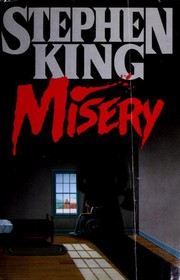
More by Margaret Atwood
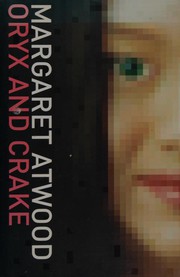
Oryx and Crake
Margaret Atwood, 2003
A man called Snowman survives on a beach among green-eyed children, haunted by a world of engineered animals and lost time. Atwood’s speculative dystopia of memory and myth.
Where to get it
Some of these links earn us a small commission, at no cost to you. It keeps BookFeed free.
Questions readers ask
- Is The Handmaid's Tale for me?
- You may like it if you want a politically sharp novel that trusts you to sit with discomfort and think. Be warned that many readers find it emotionally draining, with a distant protagonist and an ambiguous ending that can frustrate.
- What is The Handmaid's Tale like?
- A controlled, wry voice reports a grim theocratic world, so dread and unease build steadily even when the pace slows. Feels like dread, unease and defiance. About society, power and freedom.
- What should I read after The Handmaid's Tale?
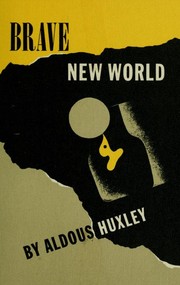
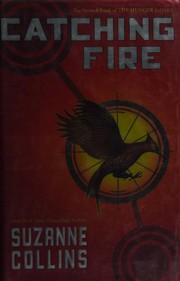
- If you liked The Handmaid's Tale, try Brave New World (Aldous Huxley), Animal Farm (George Orwell) and Catching Fire (Suzanne Collins).
A taste of the feed
What is lost when nothing is allowed to stand between wanting and having.
Impulse arrested spills over, and the flood is feeling, the flood is passion, the flood is even madness: it depends on the force of the current, the height and strength of the barrier. The unchecked stream flows smoothly down its appointed channels into a calm well-being. (The embryo is hungry; day in, day out, the blood-surrogate pump unceasingly turns its eight hundred revolutions a minute. The decanted infant howls; at once a nurse appears with a bottle of external secretion. Feeling lurks in that interval of time between desire and its consummation. Shorten that interval, break down all those old unnecessary barriers.
Brave New World · Aldous Huxley
What is the cost of convincing a system it is fragile?
“I think we’ll make this whole situation a lot simpler by agreeing not to lie to each other,” he says. “What do you think?” I think my tongue has frozen and speech will be impossible, so I surprise myself by answering back in a steady voice, “Yes, I think that would save time.” “Whatever problems anyone may have with the Capitol, believe me when I say that if it released its grip on the districts for even a short time, the entire system would collapse.” [...] “It must be very fragile, if a handful of berries can bring it down.”
Catching Fire · Suzanne Collins
What it costs to keep believing in a piece of land you'll never own.
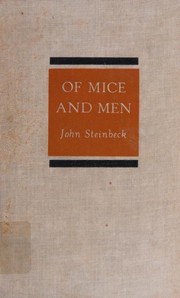
They come, an’ they quit an’ go on; an’ every damn one of ‘em’s got a little piece of land in his head. An’ never a God damn one of ‘em ever gets it. Just like heaven. Ever’body wants a little piece of lan’. I read plenty of books out here. Nobody never gets to heaven, and nobody gets no land. It’s just in their head.
Of Mice and Men · John Steinbeck
Read pages from books like this, one at a time
Keep reading in the feed