
The Street Lawyer
John Grisham, 1985
★ 3.90 from 125.9k ratings on Goodreads
A young associate witnesses a terrifying heist in a high-stakes law firm, forcing him to confront the true power structures that lie beneath the veneer of corporate justice. The narrative moves with a tense, deliberate pace, blending visceral suspense with a stark examination of institutional power and moral decay.
Feels like dread, unease and melancholy. About power, morality and society.
Who it’s for
You may like it if you enjoy legal thrillers that explore systemic corruption and high-stakes corporate environments. Be prepared for a slow burn that prioritizes psychological dread over action sequences.
Why read it
This novel offers a gripping look at the dark underbelly of corporate law, forcing you to question the true nature of justice.
A page from the book
When authority is challenged by brutality, the line between life and death evaporates.
“Put that gun down,” Rafter ordered from the doorway, and a split second later another shot rang through the reception area, a shot that went into the ceiling somewhere well above Rafter’s head and reduced him to a mere mortal. Turning the gun back to me, he nodded, and I complied, entering the conference room behind Rafter. The last thing I saw on the outside was Madam Devier shaking at her desk, terror-stricken, headset around her neck, high heels parked neatly next to her wastebasket. What readers say
Placeholder
John Grisham.Grisham often blends the intricate procedural workings of the law with visceral, pulp-style suspense, focusing heavily on the psychological toll of institutional corruption.
Books that feel like this

More by John Grisham
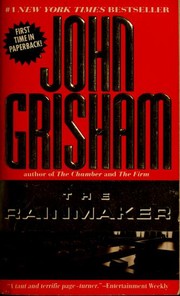
The Rainmaker
John Grisham, 1995
A broke law student sues an insurance company for a family it refused to help, and finds out what a lawsuit really costs.
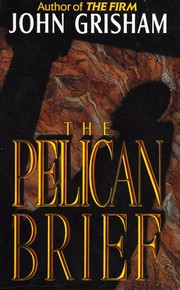
The Pelican Brief
John Grisham, 1992
A law student's hunch about two murdered Supreme Court justices makes her the target of a hunt she never asked for.
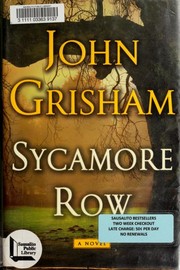
Sycamore Row
John Grisham, 2013
After a Mississippi man hangs himself, a handwritten will sets lawyer Jake Brigance against a town determined to bury the past.
Where to get it
Some of these links earn us a small commission, at no cost to you. It keeps BookFeed free.
Questions readers ask
- Is The Street Lawyer for me?
- You may like it if you enjoy legal thrillers that explore systemic corruption and high-stakes corporate environments. Be prepared for a slow burn that prioritizes psychological dread over action sequences.
- What is The Street Lawyer like?
- The narrative moves with a tense, deliberate pace, blending visceral suspense with a stark examination of institutional power and moral decay. Feels like dread, unease and melancholy. About power, morality and society.
- What should I read after The Street Lawyer?
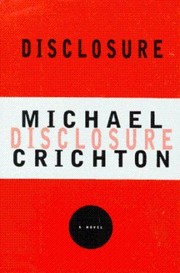
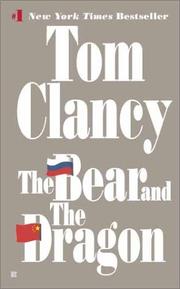
- If you liked The Street Lawyer, try Disclosure (Michael Crichton), The Girl Who Kicked the Hornets' Nest (Stieg Larsson) and The Bear and the Dragon (Tom Clancy).
A taste of the feed
The founder who can’t imagine a life after the company.
“Nobody knows,” Sanders said. “Bob built the company from nothing, fifteen years ago. When he started, he was selling knockoff modems from Korea. Back when nobody knew what a modem was. Now the company’s got three buildings downtown, and big facilities in California, Texas, Ireland, and Malaysia. He builds fax modems the size of a dime, he markets fax and E-mail software, he’s gone into CD-ROMs, and he’s developed proprietary algorithms that should make him a leading provider in education markets for the next century. Bob’s come a long way from some guy hustling three hundred baud modems. I don’t know if he can give it up.”
Disclosure · Michael Crichton
When the lights go out, what is the first thing you see in the dark?
Cracks of thunder follow; the skies grow dark and the rains come. A deluge, pounding the angry waters taken by surprise, distorting vision, crashing down on the giant spray, Geneva’s trademark on the lake, the jet d’eau, that geyser designed by man to dazzle man. When sudden revelations come, the gigantic fountain dies. All the fountains die and without the sunlight the flowers wither. The bright reflections are gone and the mind is frozen.
The Aquitaine Progression · Robert Ludlum
A man keeps one small proof that his old life happened.
Releasing his arm, she laid her hand upon his shoulder. After looking doubtfully at it, two or three times, as if to be sure that it was really there, he laid down his work, put his hand to his neck, and took off a blackened string with a scrap of folded rag attached to it. He opened this, carefully, on his knee, and it contained a very little quantity of hair: not more than one or two long golden hairs, which he had, in some old day, wound off upon his finger.
A Tale of Two Cities · Charles Dickens
Read pages from books like this, one at a time
Keep reading in the feed