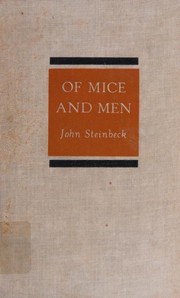
Of Mice and Men
John Steinbeck, 1937
Two migrant workers drift through Depression-era California, trading a shared dream of a small farm against the cost of staying together.
 BookFeed Ελληνικά
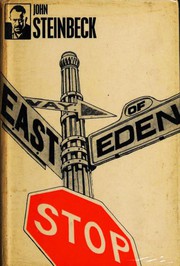
Steinbeck's California is a place of dust, hard work and people carrying what they can. Of Mice and Men is the shortest way in, two migrant workers and a dream of a small farm that keeps them moving; East of Eden is the long one, two generations of a family and the old story of brothers retold. Both are plain-spoken and unsentimental about people who don't have much, and both take seriously the question of whether you can choose what you become.
Feels like melancholy, morality and dread.
Start with Of Mice and Men.
Steinbeck built the book as a 'play-novelette' — six scenes written to be staged straight from the page. A Broadway production, directed by George S. Kaufman, opened the same year.
What it costs to keep believing in a piece of land you'll never own.
They come, an’ they quit an’ go on; an’ every damn one of ‘em’s got a little piece of land in his head. An’ never a God damn one of ‘em ever gets it. Just like heaven. Ever’body wants a little piece of lan’. I read plenty of books out here. Nobody never gets to heaven, and nobody gets no land. It’s just in their head. John Steinbeck, 1937
Two migrant workers drift through Depression-era California, trading a shared dream of a small farm against the cost of staying together.
John Steinbeck, 1952
Two generations of a California family, a retelling of Cain and Abel, and one Hebrew word that means 'thou mayest.'
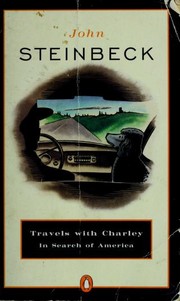
John Steinbeck, 1962
At fifty-eight, Steinbeck loads a camper with a poodle and drives across America, looking for the country he remembers and testing his own restlessness.
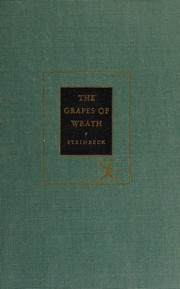
John Steinbeck, 1931
A raw, epic chronicle of displacement and despair that examines what happens when the American dream meets the harsh realities of the Dust Bowl.
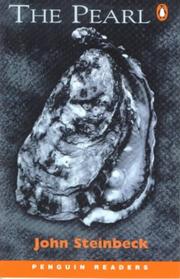
John Steinbeck, 1947
A poor pearl diver finds the pearl of the world, and it turns his town, his neighbours and himself inside out. Steinbeck's short parable of wanting.
Read pages from books like this, one at a time
BookFeed is a feed of real passages from real books. It learns what moves you and finds your next book.
Open BookFeedFree, no sign-up.