
The Art of War
Sun Tzu (-544–-496), -500
★ 3.94 from 603.2k ratings on Goodreads
A 2,500-year-old manual for conflict, written for generals and read by anyone who has to hold a position, win an argument, or know when to walk away. Short, spare maxims about conflict and timing, with a cool, practical voice and room for thought.
Feels like curiosity, wonder and dread. About war, time and death.
Who it’s for
You may like it if you enjoy compressed advice, military history, or thinking about strategy in everyday disputes. The old translation can feel stiff and remote, and the aphorisms rarely explain themselves.
Why read it
It offers a compact way to think about pressure, position and restraint, and its plain maxims stay useful long after you close it.
Pages from the book
The most counterintuitive military idea in history: win with the enemy intact, not destroyed.
Sun Tzǔ said: In the practical art of war, the best thing of all is to take the enemy’s country whole and intact; to shatter and destroy it is not so good. So, too, it is better to capture an army entire than to destroy it, to capture a regiment, a detachment or a company entire than to destroy them. The battle is already decided before the first arrow flies.
Now the general who wins a battle makes many calculations in his temple ere the battle is fought. The general who loses a battle makes but few calculations beforehand. Thus do many calculations lead to victory, and few calculations to defeat: how much more no calculation at all! How deception works in war and in everyday life.
Hence, when able to attack, we must seem unable; when using our forces, we must seem inactive; when we are near, we must make the enemy believe we are far away; when far away, we must make him believe we are near. Sun Tzu.Nothing reliable is known of Sun Tzu's life; tradition makes him a general in the state of Wu. The oldest surviving copies of the text came from a Han tomb sealed around 140 BC.
Books that feel like this



Where to get it
Some of these links earn us a small commission, at no cost to you. It keeps BookFeed free.
Questions readers ask
- Is The Art of War for me?
- You may like it if you enjoy compressed advice, military history, or thinking about strategy in everyday disputes. The old translation can feel stiff and remote, and the aphorisms rarely explain themselves.
- What is The Art of War like?
- Short, spare maxims about conflict and timing, with a cool, practical voice and room for thought. Feels like curiosity, wonder and dread. About war, time and death.
- What should I read after The Art of War?
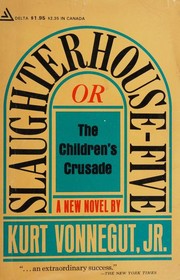
- If you liked The Art of War, try Beyond Good and Evil (Friedrich Nietzsche), Slaughterhouse-Five (Kurt Vonnegut Jr.) and Hawaii (James Michener).
A taste of the feed
The year the obituaries and the news bulletins became the same page.
Robert Kennedy, whose summer home is eight miles away from the home I live in all year round, was shot two nights ago. He died last night. So it goes. Martin Luther King was shot a month ago. He died, too. So it goes. And everyday my government gives me a count of corpses created by the military service in Vietnam. So it goes. My father died many years ago now — of natural causes. So it goes. He was a sweet man. He was a gun nut, too. He left me his guns. They rust.
Slaughterhouse-Five · Kurt Vonnegut Jr.
What every newcomer to the islands had to bring, or perish.
Therefore, men of Polynesia and Boston and China and Mount Fuji and the barrios of the Philippines, do not come to these islands empty-handed, or craven in spirit, or afraid to starve. There is no food here. In these islands there is no certainty. Bring your own food, your own gods, your own flowers and fruits and concepts. For if you come without resources to these islands you will perish... On these harsh terms the islands waited.
Hawaii · James Michener
What if a life were weighed the way gold is weighed?
Pray, let us see to it, my dear Lucilius, that our lives, like jewels of great price, be noteworthy not because of their width but because of their weight. Let us measure them by their performance, not by their duration. Would you know wherein lies the difference between this hardy man who, despising Fortune, has served through every campaign of life and has attained to life’s Supreme Good, and that other person over whose head many years have passed? The former exists even after his death; the latter has died even before he was dead.
Moral Letters to Lucilius · Seneca
Read pages from books like this, one at a time
Keep reading in the feed