
Texas
James Michener, 1985
★ 4.12 from 19.8k ratings on Goodreads
Historical fiction Literary fiction
Michener follows Texas from colonial Mexico to the oil age, tracing the people and collisions that made a state feel like a nation. The story moves with the force of weather across generations, earnest and dramatic, often awed by landscape, faith and the making of identity.
Feels like awe, curiosity and wonder. About power, faith and identity.
Who it’s for
You may like it if you want a research-rich family saga that follows Texas from colonial Mexico into the oil age. Be ready for a long, sometimes dry read, and for racist and politically troubling attitudes that some readers find hard to overlook.
Why read it
It gives you a broad, dramatic sense of how Texas came to feel like a nation, through people and collisions rather than dry chronology.
A page from the book
The man who decides who burns, carried on other men's shoulders.
“Look!” Garcilaço cried, and into the square where the kindling waited to be lit came four black slaves carrying the poles of a palanquin on which sat a prelate, dressed in deep purple and wearing an ornate miter, who stared steadfastly ahead. He was Bishop Zumárraga, most powerful churchman in Mexico and personally responsible for the arrest and sentencing of the two heretics who were to be burned. It was obvious from his stern countenance that he was not going to pardon the wretches. What readers say
Readers often value the sweeping, research-rich history and family sagas, and many learn a lot about Texas. Others are frustrated by the length and dryness, while some are angered by racist and politically troubling attitudes.
James Michener.Michener was raised by a widow in Doylestown, Pennsylvania, and never learned the identity of his biological parents.
Books that feel like this
More by James Michener

Hawaii
James Michener, 1959
Michener follows Hawaii from undersea geology to plantation politics, asking who gets to call the islands home.

Centennial
James Michener, 1956
A scholar’s journey through the massive changes of a rapidly modernizing America, tracking ambition, history, and the sheer scale of cultural transformation.

The Covenant
James Michener, 1980
A sweeping novel of South Africa, from a prehistoric clan beside a dying lake to the modern state, told through the people who claimed the land.
Where to get it
Some of these links earn us a small commission, at no cost to you. It keeps BookFeed free.
Questions readers ask
- Is Texas for me?
- You may like it if you want a research-rich family saga that follows Texas from colonial Mexico into the oil age. Be ready for a long, sometimes dry read, and for racist and politically troubling attitudes that some readers find hard to overlook.
- What is Texas like?
- The story moves with the force of weather across generations, earnest and dramatic, often awed by landscape, faith and the making of identity. Feels like awe, curiosity and wonder. About power, faith and identity.
- What should I read after Texas?
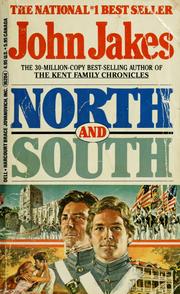
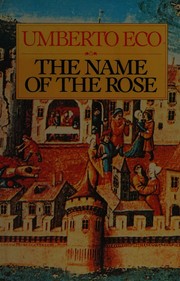
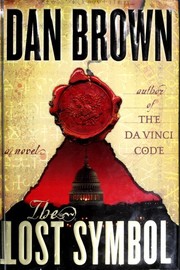
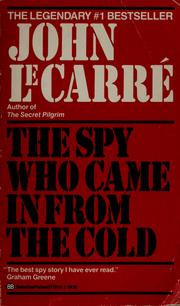
- If you liked Texas, try North and South (John Jakes), The Name of the Rose (Umberto Eco) and The Lost Symbol (Dan Brown).
A taste of the feed
How fast a quiet street becomes a firing line.
They had taken no more than a dozen steps away from the cottages when a musket barrel came smashing through an unbroken window in one of the cottages ahead. The door flew open, three more muskets poked out. The muskets boomed, killing two of the surprised soldiers a yard to Orry’s left.
North and South · John Jakes
The most frightening evil is the kind that never doubts itself.
The Devil is not the Prince of Matter; the Devil is the arrogance of the spirit, faith without smile, truth that is never seized by doubt. The Devil is grim because he knows where he is going, and, in moving, he always returns whence he came.
The Name of the Rose · Umberto Eco
The speech that strips the glamour off spying, one vice at a time.
What do you think spies are: priests, saints, and martyrs? They’re a squalid procession of vain fools, traitors too, yes; pansies, sadists and drunkards, people who play cowboys and Indians to brighten their rotten lives. Do you think they sit like monks in London balancing the rights and wrongs? I’d have killed Mundt if I could, I hate his guts; but not now. It so happens that they need him. They need him so that the great moronic mass that you admire can sleep soundly in their beds at night. They need him for the safety of ordinary, crummy people like you and me.
The Spy Who Came in from the Cold · John le Carré
Read pages from books like this, one at a time
Keep reading in the feed