
Centennial
James Michener, 1956
★ 4.26 from 46k ratings on Goodreads
A scholar’s journey through the massive changes of a rapidly modernizing America, tracking ambition, history, and the sheer scale of cultural transformation. This novel feels like a slow, sweeping journey through American history, focusing on the quiet ambition and massive shifts in society.
Feels like curiosity and nostalgia. About society, time and ambition.
Who it’s for
You may like it if you enjoy detailed historical accounts of the American West and the rise of modern society. Be warned that the early sections detailing geology and prehistoric life can feel very slow and academic.
Why read it
It provides a comprehensive look at the sheer scale of cultural and historical transformation in America through a scholar's perspective.
A page from the book
A new professional life introduces a landscape of sharp characters.
At one minute after nine she ushered me into his office, where she introduced me to four attractive young editors. James Ringold was under forty and wore his hair combed straight forward, like Julius Caesar. Harry Leeds, his executive assistant, was something past thirty and wore an expensive double-knit in clashing colors. Bill Wright was obviously just a beginner. And Carol Endermann … well, I couldn’t begin to guess how old she was. She could have been one of my good-looking, leggy graduate students from a tobacco farm in the Carolinas, or just as easily, a self-directed thirty-three-year-old assistant professor at the University of Georgia. I felt I was in the hands of four dedicated people who knew what they were doing, and was sure I would enjoy watching them operate. What readers say
Readers say the novel offers a vast Colorado history with memorable characters, yet the early geological and prehistoric sections feel tedious to some and lead others to abandon it; a few also object to its treatment of nonwhite people and its didactic tone.
James Michener.Michener often gained fame for his sweeping historical novels and his detailed, geographically rich accounts of American landscapes.
Books that feel like this

More by James Michener

Hawaii
James Michener, 1959
Michener follows Hawaii from undersea geology to plantation politics, asking who gets to call the islands home.

The Covenant
James Michener, 1980
A sweeping novel of South Africa, from a prehistoric clan beside a dying lake to the modern state, told through the people who claimed the land.
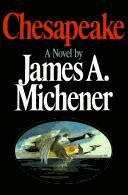
Chesapeake
James Michener, 1978
Four centuries on Maryland's Eastern Shore, told through the families, canoes, storms and wars that shaped the bay.
Where to get it
Some of these links earn us a small commission, at no cost to you. It keeps BookFeed free.
Questions readers ask
- Is Centennial for me?
- You may like it if you enjoy detailed historical accounts of the American West and the rise of modern society. Be warned that the early sections detailing geology and prehistoric life can feel very slow and academic.
- What is Centennial like?
- This novel feels like a slow, sweeping journey through American history, focusing on the quiet ambition and massive shifts in society. Feels like curiosity and nostalgia. About society, time and ambition.
- What should I read after Centennial?
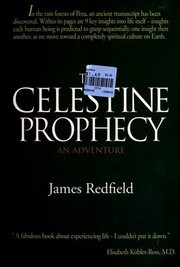
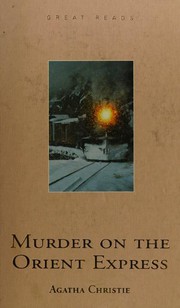
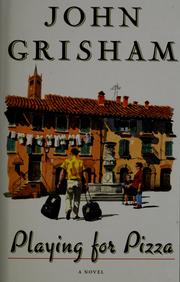
- If you liked Centennial, try The Celestine Prophecy (James Redfield), Murder on the Orient Express (Agatha Christie) and Playing for Pizza (John Grisham).
A taste of the feed
Why the most alive moments of your life refuse to last.
According to the Manuscript, we’re beginning to glimpse an alternative kind of experience... moments in our lives that feel different somehow, more intense and inspiring. But we don’t know what this experience is or how to make it last, and when it ends we’re left feeling dissatisfied and restless with a life that seems ordinary again.
The Celestine Prophecy · James Redfield
A detective grades a crime by the nationality of the mind behind it.
I have the little idea, my friend, that this is a crime very carefully planned and staged. It is a far-sighted, long-headed crime. It is not — how shall I express it? — a Latin crime. It is a crime that shows traces of a cool, resourceful, deliberate brain — I think an Anglo-Saxon brain.
Murder on the Orient Express · Agatha Christie
A room where no one is impressed by a professional athlete.
Perhaps you should, the doctor thought, and not just because of your bruised brain. Three interceptions in eleven minutes should be a clear sign that football is not your calling. Two nurses appeared quietly and helped with the tests and paperwork. Neither said a word to the patient, though he was an unmarried professional athlete with notable good looks and a hard body. And at that moment, when he needed them, they could not have cared less.
Playing for Pizza · John Grisham
Read pages from books like this, one at a time
Keep reading in the feed