
The Name of the Rose
Umberto Eco, 1980
★ 4.14 from 409.6k ratings on Goodreads
Historical fiction Literary fiction
A murder mystery inside a labyrinthine medieval library, where a novice and his detective-monk argue theology, read forbidden books, and count the dead. A brooding, learned mystery that moves at a medieval walk, thick with argument, suspicion, and the chill of forbidden shelves.
Feels like curiosity, dread and wonder. About faith, power and death.
Who it’s for
You may like it if you enjoy puzzles tangled with theology and history, and don't mind a narrator who thinks in long, careful sentences. Be warned that long medieval and religious digressions can slow the plot, and some readers find the mystery buried under erudition.
Why read it
It offers a puzzle that is also an argument about faith, power, and doubt, with a gothic atmosphere that stays with you.
A page from the book
The most frightening evil is the kind that never doubts itself.
The Devil is not the Prince of Matter; the Devil is the arrogance of the spirit, faith without smile, truth that is never seized by doubt. The Devil is grim because he knows where he is going, and, in moving, he always returns whence he came. What readers say
Readers are split: many find it immersive, intellectually thrilling, and rewarding despite dense medieval and religious digressions; others call it slow, pedantic, and pretentious, with the mystery often buried under erudition.
Umberto Eco.Eco was a semiotician and medievalist who said he wrote the novel because he felt like it — and because he wanted to poison a monk.
Books that feel like this
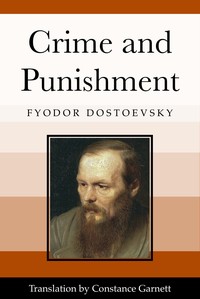
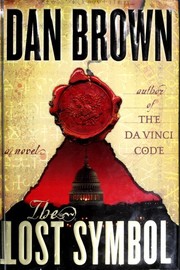

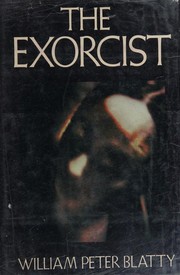
Where to get it
Some of these links earn us a small commission, at no cost to you. It keeps BookFeed free.
Questions readers ask
- Is The Name of the Rose for me?
- You may like it if you enjoy puzzles tangled with theology and history, and don't mind a narrator who thinks in long, careful sentences. Be warned that long medieval and religious digressions can slow the plot, and some readers find the mystery buried under erudition.
- What is The Name of the Rose like?
- A brooding, learned mystery that moves at a medieval walk, thick with argument, suspicion, and the chill of forbidden shelves. Feels like curiosity, dread and wonder. About faith, power and death.
- What should I read after The Name of the Rose?
- If you liked The Name of the Rose, try Crime and Punishment (Fyodor Dostoevsky), The Lost Symbol (Dan Brown) and Anna Karenina (Leo Tolstoy).
A taste of the feed
What if the punishment you wanted most was remorse, and it never came.
And if only fate would have sent him repentance—burning repentance that would have torn his heart and robbed him of sleep, that repentance, the awful agony of which brings visions of hanging or drowning! Oh, he would have been glad of it! Tears and agonies would at least have been life. But he did not repent of his crime.
Crime and Punishment · Fyodor Dostoevsky
The strange calm that arrives when a lie comes out perfectly.
Anna said what came to her lips, and marveled, hearing herself, at her own capacity for lying. How simple and natural were her words, and how likely that she was simply sleepy! She felt herself clad in an impenetrable armor of falsehood. She felt that some unseen force had come to her aid and was supporting her.
Anna Karenina · Leo Tolstoy
Some people are cold in a way no weather can fix.
The blaze of sun wrung pops of sweat from the old man’s brow, yet he cupped his hands around the glass of hot sweet tea as if to warm them.
The Exorcist · William Peter Blatty
Read pages from books like this, one at a time
Keep reading in the feed