
Smiley's People
John le Carré, 1979
★ 4.30 from 43.5k ratings on Goodreads
A retired spymaster is pulled back into the trade he was told to leave, where old loyalties and old betrayals wear the same grey coat. A grey, patient atmosphere of memory and dread, with le Carré’s precise, satirical voice and a slow-burn pull.
Feels like tenderness, dread and melancholy. About memory, love and time.
Who it’s for
You may like this if you enjoy cerebral spy stories, moral weight, and precise, melancholy prose. Be warned that the pacing is deliberately slow, and some readers find the middle stretch sluggish before the payoff.
Why read it
It offers a patient, morally textured look at loyalty and betrayal, and the pleasure of watching a careful mind work in a grey world.
A page from the book
The first rule of retirement, as preached by the people who never retire.
You remember the first rule of retirement, George? No moonlighting, no fooling with loose ends, no private enterprise, ever. You remember who preaches this rule, at Sarratt, in the corridors? George Smiley did. Quote, “When it’s over, it’s over. Pull down the shutters, go home,” unquote. We’re over, George. We’ve got no license. They don’t want us anymore. What readers say
Readers praise the cerebral tension, precise writing, and Smiley’s deeply human, morally burdened portrayal; many find the slow-burn payoff powerful and melancholy. Some find the pacing sluggish, though others call the patience rewarding.
John le Carré.Le Carré worked for MI5 and MI6 in the 1950s, and the Circus's filing-cabinet betrayals and corridor rules came directly from those years.
Books that feel like this



More by John le Carré
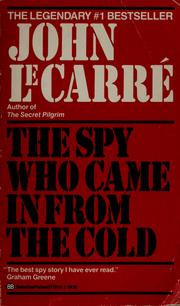
The Spy Who Came in from the Cold
John le Carré, 1963
The spy novel that made betrayal a literary subject: a burned-out agent, a divided Berlin, and no clean hands.

Tinker Tailor Soldier Spy
John le Carré, 1974
A retired spy is handed a suspicion: someone at the top of British intelligence is working for Moscow. All he has is patience.
Where to get it
Some of these links earn us a small commission, at no cost to you. It keeps BookFeed free.
Questions readers ask
- Is Smiley's People for me?
- You may like this if you enjoy cerebral spy stories, moral weight, and precise, melancholy prose. Be warned that the pacing is deliberately slow, and some readers find the middle stretch sluggish before the payoff.
- What is Smiley's People like?
- A grey, patient atmosphere of memory and dread, with le Carré’s precise, satirical voice and a slow-burn pull. Feels like tenderness, dread and melancholy. About memory, love and time.
- What should I read after Smiley's People?
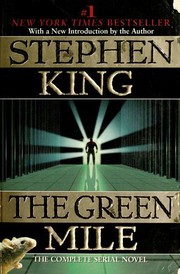
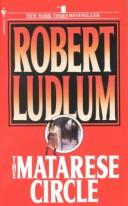
- If you liked Smiley's People, try Gray Mountain (John Grisham), The Green Mile (Stephen King) and The Matarese Circle (Robert Ludlum).
A taste of the feed
The exhaustion of a man who feels everyone else's pain as his own.
I’m rightly tired of the pain I hear and feel, boss. I’m tired of bein on the road, lonely as a robin in the rain. Not never havin no buddy to go on with or tell me where we’s comin from or goin to or why. I’m tired of people bein ugly to each other. It feels like pieces of glass in my head. I’m tired of all the times I’ve wanted to help and couldn’t. I’m tired of bein in the dark. Mostly it’s the pain. There’s too much. If I could end it, I would. But I can’t.
The Green Mile · Stephen King
The invisible knot that ties gratitude to obedience.
But the major would never offer the slightest objection about anything where the general was concerned. “Mad Anthony” Blackburn had carried a broken young lieutenant out of a North Vietnamese prison camp, away from torture and starvation, and brought him through the jungles back to American lines. That was years ago; the lieutenant was a major now, the senior aide to the Chairman of the Joint Chiefs of Staff.
The Matarese Circle · Robert Ludlum
To feel young and ancient at once, and find the day dangerous.
She would not say of anyone in the world now that they were this or were that. She felt very young; at the same time unspeakably aged. She sliced like a knife through everything; at the same time was outside, looking on. She had a perpetual sense, as she watched the taxi cabs, of being out, out, far out to sea and alone; she always had the feeling that it was very, very dangerous to live even one day.
Mrs. Dalloway · Virginia Woolf
Read pages from books like this, one at a time
Keep reading in the feed