
Station Eleven
Emily St. John Mandel, 2014
Science fiction Travel & natureContemporary fictionLiterary fiction
A flu wipes out most of humanity; a travelling Shakespeare troupe survives. Mandel's novel is about art, fame, and what we carry when everything else is gone. A quiet, lyrical survival story with a persistent undercurrent of dread, held together by memory, art and a troupe moving through ruined places.
Feels like dread, wonder and hope. About art, memory and freedom.
Who it’s for
You may like it if you are drawn to literary science fiction about art, fame and what people carry after loss. The flu premise is grim and the dread lingers, so it may suit you best when you can sit with a bleak, reflective story.
Why read it
It gives you a human-scale view of collapse, where Shakespeare and music still matter, and asks what survives when almost everything else is gone.
A page from the book
A man buys supplies for a disaster and grieves the ordinary world mid-aisle.
“Laura,” he began. “Laura.” He thought it better to speak to her directly and it was already almost eleven fifty, there wasn’t time for this. Filling the cart with more food, moving quickly through this bread-and-flower-scented world, this almost-gone place, thinking of Frank in his 22nd floor apartment, high up in the snowstorm with his insomnia and his book project, his day-old New York Times and his Beethoven. Jeevan wanted desperately to reach him. He decided to call Laura later, changed his mind and called the home line while he was standing by the checkout counter, mostly because he didn’t want to make eye contact with the clerk. Emily St. John Mandel.Before turning to fiction, Mandel trained as a contemporary dancer at the School of Toronto Dance Theatre — which may be why her survival story is built around a troupe on tour.
Books that feel like this
More by Emily St. John Mandel
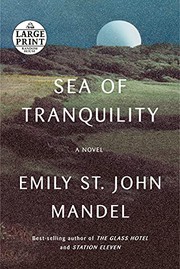
Sea of Tranquility
Emily St. John Mandel, 2022
A pandemic, a moon colony, a detective slipping through time: Mandel's novel asks whether a life is still real if it's being watched.
Where to get it
Some of these links earn us a small commission, at no cost to you. It keeps BookFeed free.
Questions readers ask
- Is Station Eleven for me?
- You may like it if you are drawn to literary science fiction about art, fame and what people carry after loss. The flu premise is grim and the dread lingers, so it may suit you best when you can sit with a bleak, reflective story.
- What is Station Eleven like?
- A quiet, lyrical survival story with a persistent undercurrent of dread, held together by memory, art and a troupe moving through ruined places. Feels like dread, wonder and hope. About art, memory and freedom.
- What should I read after Station Eleven?
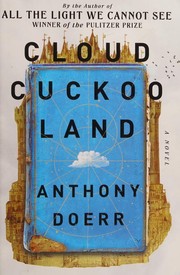
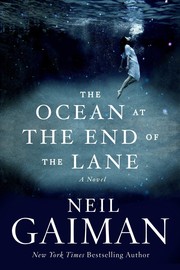
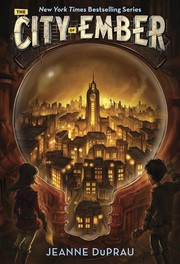
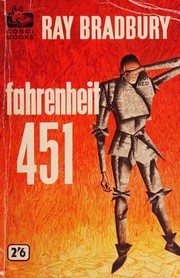
- If you liked Station Eleven, try Cloud Cuckoo Land (Anthony Doerr), The Ocean at the End of the Lane (Neil Gaiman) and The City of Ember (Jeanne DuPrau).
A taste of the feed
What we lose when a book goes out of the world.
Repository,” he finally says, “you know this word? A resting place. A text—a book—is a resting place for the memories of people who have lived before. A way for the memory to stay fixed after the soul has traveled on.” His eyes open very widely then, as though he peers into a great darkness. “But books, like people, die. They die in fires or floods or in the mouths of worms or at the whims of tyrants. If they are not safeguarded, they go out of the world. And when a book goes out of the world, the memory dies a second death.
Cloud Cuckoo Land · Anthony Doerr
The moment you decide something strange never happened.
I wondered where the illusion of the second moon had come from, but I only wondered for a moment, and then I dismissed it from my thoughts. Perhaps it was an afterimage, I decided, or a ghost: something that had stirred in my mind, for a moment, so powerfully that I believed it to be real, but now was gone, and faded into the past like a memory forgotten, or a shadow into the dusk.
The Ocean at the End of the Lane · Neil Gaiman
A city lit entirely by lamps, and the dark it can't explain.
In the city of Ember, the sky was always dark. The only light came from great floodlamps mounted on the buildings and at the tops of poles in the middle of the larger squares. When the lights were on, they cast a yellowish glow over the streets; people walking by threw long shadows that shortened and then stretched out again. When the lights were off, as they were between nine at night and six in the morning, the city was so dark that people might as well have been wearing blindfolds.
The City of Ember · Jeanne DuPrau
Read pages from books like this, one at a time
Keep reading in the feed