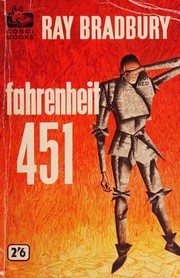
Fahrenheit 451
Ray Bradbury, 1953
A fireman who burns books begins to read one, in a future where screens are family and speed is peace.
 BookFeed Ελληνικά
Feels like wonder, freedom and melancholy.
Start with Fahrenheit 451.
Bradbury wrote the first draft in nine days in a UCLA library basement, on typewriters rented for ten cents a half-hour.
How to make a population feel informed enough to stop thinking.
Cram them full of non-combustible data, chock them so damned full of ‘facts’ they feel stuffed, but absolutely ‘brilliant’ with information. Then they’ll feel they’re thinking, they’ll get a sense of motion without moving. And they’ll be happy, because facts of that sort don’t change. Don’t give them any slippery stuff like philosophy or sociology to tie things up with. That way lies melancholy. Any man who can take a TV wall apart and put it back together again, and most men can nowadays, is happier than any man who tries to slide rule, measure, and equate the universe, which just won’t be measured or equated without making man feel bestial and lonely. I know, I’ve tried it; to hell with it." Ray Bradbury, 1953
A fireman who burns books begins to read one, in a future where screens are family and speed is peace.
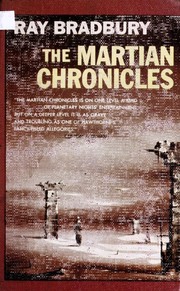
Ray Bradbury, 1950
Mars, settled story by story: linked tales of loneliness, wonder and the things humans ruin simply by arriving.
Read pages from books like this, one at a time
BookFeed is a feed of real passages from real books. It learns what moves you and finds your next book.
Open BookFeedFree, no sign-up.