
Circe
Madeline Miller, 2018
Fantasy Historical fictionReligion & spiritualityHistory
The witch of the Odyssey tells her own story: exile, transformation, and the dangerous bargain of loving mortals. A lyrical, melancholy first-person voice moves through myth and exile, turning power and identity into something intimate and strange.
Feels like melancholy, wonder and longing. About identity, power and love.
Who it’s for
You may like it if you enjoy Greek myth retold from a woman’s inward perspective, with lyrical prose and philosophical questions about power and belonging. The reflective pace and long years of exile may test you if you want a tightly plotted story.
Why read it
It gives an old myth a voice and a conscience, letting you see the witch’s side of the story and think about transformation, desire and what it costs to love mortals.
A page from the book
How much of what we call delicacy is really other people's carelessness?
It is a common saying that women are delicate creatures, flowers, eggs, anything that may be crushed in a moment’s carelessness. If I had ever believed it, I no longer did. Madeline Miller.Madeline Miller trained as a classicist and taught Latin and Greek; her debut, The Song of Achilles, won the Orange Prize for Fiction in 2012.
Books that feel like this

More by Madeline Miller
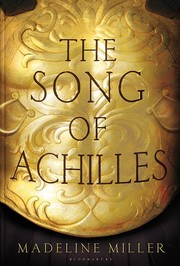
The Song of Achilles
Madeline Miller, 2011
The Iliad retold by the man who loved Achilles: a boyhood friendship that becomes the centre of the Trojan War.
Where to get it
Some of these links earn us a small commission, at no cost to you. It keeps BookFeed free.
Questions readers ask
- Is Circe for me?
- You may like it if you enjoy Greek myth retold from a woman’s inward perspective, with lyrical prose and philosophical questions about power and belonging. The reflective pace and long years of exile may test you if you want a tightly plotted story.
- What is Circe like?
- A lyrical, melancholy first-person voice moves through myth and exile, turning power and identity into something intimate and strange. Feels like melancholy, wonder and longing. About identity, power and love.
- What should I read after Circe?
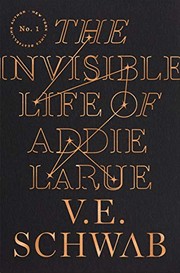
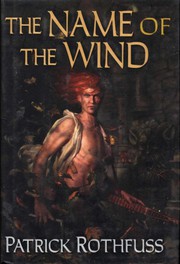
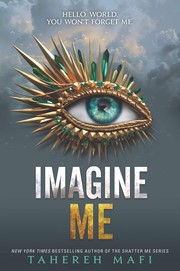
- If you liked Circe, try The Invisible Life of Addie LaRue (V.E. Schwab), The Name of the Wind (Patrick Rothfuss) and Imagine Me (Tahereh Mafi).
A taste of the feed
The difference between being remembered and being known.
Last night, she told him hers was Jess. She lied, but only because she can’t say her real name—one of the vicious little details tucked like nettles in the grass. Hidden barbs designed to sting. What is a person, if not the marks they leave behind? She has learned to step between the thorny weeds, but there are some cuts that cannot be avoided—a memory, a photograph, a name.
The Invisible Life of Addie LaRue · V.E. Schwab
The particular fury of a wedding morning with nothing to wear.
But it’s my wedding day,” she says. “And I have nothing to wear.” “You’re right.” I kiss the top of her head. “I’m going to kill him.
Imagine Me · Tahereh Mafi
Science can explain sin, but it cannot make it thrilling.
But the fact is, the human mind, the individual mind, has always been made more interesting by dwelling on the old riddles, even if it makes nothing of them. Science hasn’t given us any new amazements, except of the superficial kind we get from witnessing dexterity and sleight-of-hand. It hasn’t given us any richer pleasures, as the Renaissance did, nor any new sins—not one! Indeed, it takes our old ones away. It’s the laboratory, not the Lamb of God, that taketh away the sins of the world. You’ll agree there is not much thrill about a physiological sin. We were better off when even the prosaic matter of taking nourishment could have the magnificence of a sin.
The Professor’s House · Willa Cather
Read pages from books like this, one at a time
Keep reading in the feed