
The Name of the Wind
Patrick Rothfuss, 2007
★ 4.52 from 1.1m ratings on Goodreads
Fantasy Mystery, thriller & crimeYoung adult
A gifted, stubborn boy tells how he became a legend — and what his music, magic and mistakes cost him. The story moves with a storyteller’s wit and warmth, lingering on music, magic and memory, with a current of longing underneath.
Feels like wonder, defiance and melancholy. About identity, power and art.
Who it’s for
You may like it if you enjoy a first-person fantasy told at a reflective pace, with a clever narrator and a strong sense of atmosphere. Some readers find the telling slow and uneven in places, so expect a long, digressive story rather than a tightly plotted ride.
Why read it
It offers a rich, voice-driven account of talent, pride and cost, and the pleasure of watching a narrator shape his own legend.
A page from the book
The voice of a man who knows his name is already a story.
I have been called Kvothe the Bloodless, Kvothe the Arcane, and Kvothe Kingkiller. I have earned those names. Bought and paid for them.But I was brought up as Kvothe. My father once told me it meant “to know.”I have, of course, been called many other things. Most of them uncouth, although very few were unearned.I have stolen princesses back from sleeping barrow kings. I burned down the town of Trebon. I have spent the night with Felurian and left with both my sanity and my life. I was expelled from the University at a younger age than most people are allowed in. I tread paths by moonlight that others fear to speak of during day. I have talked to gods, loved women, and written songs that make the minstrels weep.You may have heard of me. What readers say
Readers describe a lyrical, immersive story that evokes wonder, longing, and melancholy, with love and death at its emotional core; some find it slow and uneven, but most praise its atmosphere and prose.
Patrick Rothfuss.The Name of the Wind was Rothfuss’s debut novel and won the 2007 Quill Award for Science Fiction/Fantasy.
Books that feel like this
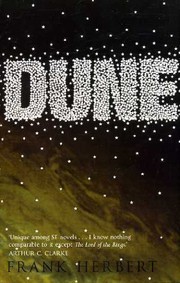
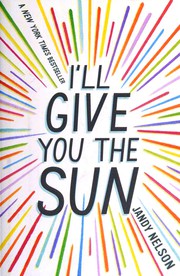
More by Patrick Rothfuss
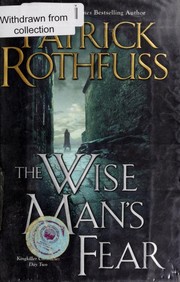
The Wise Man's Fear
Patrick Rothfuss, 2011
The second day of Kvothe's story: he leaves the University for courts, forests, and faerie, while the quiet innkeeper he became keeps his own counsel.
Where to get it
Some of these links earn us a small commission, at no cost to you. It keeps BookFeed free.
Questions readers ask
- Is The Name of the Wind for me?
- You may like it if you enjoy a first-person fantasy told at a reflective pace, with a clever narrator and a strong sense of atmosphere. Some readers find the telling slow and uneven in places, so expect a long, digressive story rather than a tightly plotted ride.
- What is The Name of the Wind like?
- The story moves with a storyteller’s wit and warmth, lingering on music, magic and memory, with a current of longing underneath. Feels like wonder, defiance and melancholy. About identity, power and art.
- What should I read after The Name of the Wind?
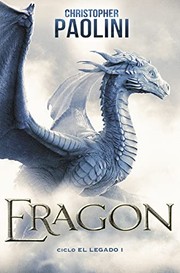
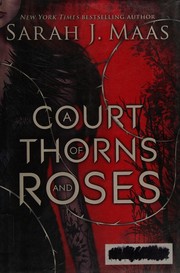
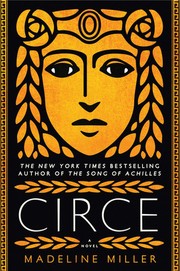
- If you liked The Name of the Wind, try Eragon (Christopher Paolini), A Court of Thorns and Roses (Sarah J. Maas) and Circe (Madeline Miller).
A taste of the feed
Advice that sounds like freedom and costs almost everything to keep.
Let no one rule your mind or body. Take special care that your thoughts remain unfettered, one may be a free man and yet be bound tighter than a slave. Give men your ear, but not your heart. Show respect for those in power, but don’t follow them blindly. Judge with logic and reason, but comment not. Consider none your superior in life. Treat all fairly or they will seek revenge. Be careful with your money. Hold fast to your beliefs and others will listen. Of the affairs of love, my only advice is to be honest. That’s your most powerful tool to unlock a heart or gain forgiveness.
Eragon · Christopher Paolini
What a stare can say before a secret even slips.
Rhysand stared at me for long enough that I faced him. "Be glad of your human heart, Feyre. Pity those who don’t feel anything at all.
A Court of Thorns and Roses · Sarah J. Maas
How much of what we call delicacy is really other people's carelessness?
It is a common saying that women are delicate creatures, flowers, eggs, anything that may be crushed in a moment’s carelessness. If I had ever believed it, I no longer did.
Circe · Madeline Miller
Read pages from books like this, one at a time
Keep reading in the feed