
Λάμια
John Keats (1795–1821), 1820
★ 3,82 από 868 βαθμολογίες στο Goodreads
Ένα φίδι γίνεται γυναίκα, ένας φιλόσοφος αρνείται να κοιτάξει αλλού κι ένα συμπόσιο στήνεται από το τίποτα: το ύστερο ποίημα του Κιτς για τη μαγεία απέναντι στην ανάλυση. Ο Κιτς πλέκει λυρικούς στίχους γύρω από τον έρωτα και τη μαγεία, με θαυμασμό και μια διακριτική ανησυχία.
Ατμόσφαιρα: θαυμασμός, λαχτάρα και ανησυχία. Μιλά για την αγάπη, την τέχνη και την ταυτότητα.
Σε ποιον ταιριάζει
Μπορεί να σου αρέσει αν σε τραβούν οι ποιητικές ιστορίες για τον έρωτα, το υπερφυσικό και τη σύγκρουση ανάμεσα στη μαγεία και την ανάλυση. Οι αγγλικοί στίχοι του 1820 έχουν παλιότερη γλώσσα και μπορεί να ζητήσουν υπομονή, ειδικά αν διαβάζεις την πρωτότυπη έκδοση.
Γιατί να το διαβάσεις
Διάβασέ το για τις έντονες εικόνες του Κιτς και τον τρόπο που βάζει την αμφιβολία απέναντι στο θαύμα, σε ένα σύντομο αφηγηματικό ποίημα.
Σελίδες από το βιβλίο
Λαμπερή από την κορφή ως τα νύχια, κι όμως θλιμμένη με κάποιον τρόπο.
She was a gordian shape of dazzling hue,Vermilion-spotted, golden, green, and blue;Striped like a zebra, freckled like a pard,Eyed like a peacock, and all crimson barr’d;And full of silver moons, that, as she breathed,Dissolv’d, or brighter shone, or interwreathedTheir lustres with the gloomier tapestries—So rainbow-sided, touch’d with miseries,She seem’d, at once, some penanced lady elf,Some demon’s mistress, or the demon’s self.Upon her crest she wore a wannish fireSprinkled with stars, like Ariadne’s tiar:Her head was serpent, but ah, bitter-sweet!She had a woman’s mouth with all its pearls complete: Τι χάνεται κάθε φορά που εξηγούμε κάτι όμορφο.
Upon her aching forehead be there hungThe leaves of willow and of adder’s tongue;And for the youth, quick, let us strip for himThe thyrsus, that his watching eyes may swimInto forgetfulness; and, for the sage,Let spear-grass and the spiteful thistle wageWar on his temples. Do not all charms flyAt the mere touch of cold philosophy?There was an awful rainbow once in heaven:We know her woof, her texture; she is givenIn the dull catalogue of common things. Η άβολη αριθμητική του έρωτα και του χρήματος.
Love in a hut, with water and a crust,Is—Love, forgive us!—cinders, ashes, dust;Love in a palace is perhaps at lastMore grievous torment than a hermit’s fast—That is a doubtful tale from faery land,Hard for the non-elect to understand. John Keats.Ο Κιτς εκπαιδεύτηκε ως βοηθός χειρουργού στο Νοσοκομείο Γκάι πριν στραφεί στην ποίηση. Βρήκε την υπόθεση της «Λάμιας» στην «Ανατομία της μελαγχολίας» του Ρόμπερτ Μπάρτον.
Βιβλία με παρόμοια αίσθηση


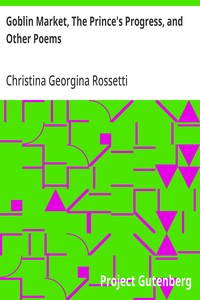
Goblin Market, The Prince's Progress, and Other Poems
Christina Rossetti, 1862
Κοινά στοιχεία: λαχτάρα και αγάπη.
Περισσότερα βιβλία — John Keats

Poetry
John Keats, 1820
Ποιήματα όπου η ομορφιά και η θνητότητα συγκρούονται στην ίδια ανάσα: ωδές, σονέτα και μυθικά αποσπάσματα από έναν ποιητή που πέθανε στα είκοσι πέντε του.
Πού θα το βρεις
Από κάποιους από αυτούς τους συνδέσμους παίρνουμε μια μικρή προμήθεια, χωρίς επιπλέον κόστος για σένα. Έτσι το BookFeed μένει δωρεάν.
Ερωτήσεις αναγνωστών
- Μου ταιριάζει το «Λάμια»;
- Μπορεί να σου αρέσει αν σε τραβούν οι ποιητικές ιστορίες για τον έρωτα, το υπερφυσικό και τη σύγκρουση ανάμεσα στη μαγεία και την ανάλυση. Οι αγγλικοί στίχοι του 1820 έχουν παλιότερη γλώσσα και μπορεί να ζητήσουν υπομονή, ειδικά αν διαβάζεις την πρωτότυπη έκδοση.
- Πώς είναι το «Λάμια»;
- Ο Κιτς πλέκει λυρικούς στίχους γύρω από τον έρωτα και τη μαγεία, με θαυμασμό και μια διακριτική ανησυχία. Ατμόσφαιρα: θαυμασμός, λαχτάρα και ανησυχία. Μιλά για την αγάπη, την τέχνη και την ταυτότητα.
- Τι να διαβάσω μετά το «Λάμια»;
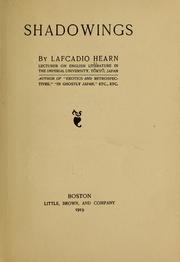
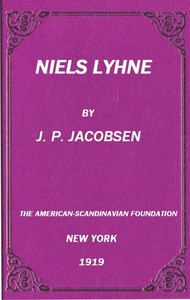
- Αν σου άρεσε το «Λάμια», δοκίμασε «A Midsummer Night's Dream» (William Shakespeare), «Σκιές» (Lafcadio Hearn) και «Niels Lyhne» (J. P. Jacobsen).
Μια γεύση από τη ροή
A description of a place so lush it can put a queen to sleep.
I know a banke where the wilde time blowes, Where Oxslips and the nodding Violet growes, Quite ouer-cannoped with luscious woodbine, With sweet muske roses, and with Eglantine; There sleepes Tytania, sometime of the night, Lul’d in these flowers, with dances and delight: And there the snake throwes her enammel’d skinne, Weed wide enough to rap a Fairy in.
A Midsummer Night's Dream · William Shakespeare
Η νυχτερινή θάλασσα δεν μοιάζει με νερό· μοιάζει με νου.
THE moon had not yet risen; but the vast of the night was all seething with stars, and bridged by a Milky Way of extraordinary brightness. There was no wind; but the sea, far as sight could reach, was running in ripples of fire,—a vision of infernal beauty. Only the ripplings were radiant (between them was blackness absolute);—and the luminosity was amazing. Most of the undulations were yellow like candle-flame; but there were crimson lampings also,—and azure, and orange, and emerald. And the sinuous flickering of all seemed, not a pulsing of many waters, but a laboring of many wills,—a fleeting conscious and monstrous,—a writhing and a swarming incalculable, as of dragon-life in some depth of Erebus.
Σκιές · Lafcadio Hearn
Ο φόβος του πάθους και η επιθυμία να καίγεσαι αργά.
Involuntarily he made a gesture as if to ward it off with his hand. After all, he was afraid in his inmost heart of this mighty thing called passion. This storm-wind sweeping away everything settled and authorized and acquired in humanity as if it were dead leaves. He did not like it! This roaring flame squandering itself in its own smoke—no, he wanted to burn slowly.
Niels Lyhne · J. P. Jacobsen
Διάβασε σελίδες από βιβλία σαν αυτό, μία τη φορά
Συνέχισε στη ροή