
Το νόημα της ζωής
Βίκτορ Φρανκλ, 1946
★ 4.36 from 950k ratings on Goodreads
A psychiatrist who survived the camps asks what makes a life worth living when everything else has been taken — and answers with the small, stubborn facts of daily experience. A calm first-person voice moves from wartime dread and camp memory into patient reflection, holding hope and unease together.
Feels like hope, unease and dread. About war, death and identity.
Who it’s for
You may like it if you want a survivor’s account that turns into a direct inquiry into meaning, told without literary flourish. Be aware that the later psychological discussion can feel dry and repetitive to some readers.
Why read it
It offers a grounded way to think about purpose when circumstances strip away comfort, and its camp testimony keeps the question urgent rather than abstract.
A page from the book
He had a visa in his hand. Then came the question he couldn't answer.
Ο αναγνώστης ενδέχεται να µε ρωτήσει γιατί δεν αποπειράθηκα να ξεφύγω απ’ όσα µε περίµεναν, αφότου ο Χίτλερ κατέλαβε την Αυστρία. Επιτρέψτε µου να απαντήσω αναθυµούµενος την ακόλουθη ιστορία. Λίγο πριν εισέλθουν στον ∆εύτερο Παγκόσµιο Πόλεµο οι Ηνωµένες Πολιτείες, είχα µια πρόσκληση να πάω στο Αµερικανικό Προξενείο στη Βιέννη να παραλάβω τη µεταναστευτική βίζα µου. Οι γηραιοί γονείς µου ήσαν πολύ χαρού µενοι, καθώς προσδοκούσαν ότι θα µου επιτρεπόταν σύντοµα να φύγω από την Αυστρία. Ωστόσο, ξαφνικά δίστασα. Με κατέκλυσε το ερώτηµα: µπορούσα πράγµατι να αφήσω τους γονείς µου µόνους τους να αντιµετωπίσουν τη µοίρα τους, να σταλούν, αργά ή γρήγορα, σ’ ένα στρατόπεδο συγκέντρωσης, ή ακόµη και σ’ ένα λεγόµενο στρατόπεδο εξόντωσης; Πού βρισκόταν η ευθύνη µου; Θα έπρεπε να αναθρέψω το πνευµατικό µου τέκνο, τη λογοθεραπεία, µεταναστεύοντας σε γόνιµο έδαφος όπου θα µπορούσα να γράψω τα βιβλία µου; What readers say
Readers often describe the concentration-camp testimony as harrowing, gripping, and moving, and many say the search for meaning left them hopeful, inspired, or changed. Others find the later psychological discussion dry, repetitive, or disappointing, though some value its practical insight.
Βίκτορ Φρανκλ.Frankl wrote the first draft in nine days in 1945, determined to publish it anonymously; the original German edition appeared without his name on the cover.
Books that feel like this
Where to get it
Some of these links earn us a small commission, at no cost to you. It keeps BookFeed free.
Questions readers ask
- Is Το νόημα της ζωής for me?
- You may like it if you want a survivor’s account that turns into a direct inquiry into meaning, told without literary flourish. Be aware that the later psychological discussion can feel dry and repetitive to some readers.
- What is Το νόημα της ζωής like?
- A calm first-person voice moves from wartime dread and camp memory into patient reflection, holding hope and unease together. Feels like hope, unease and dread. About war, death and identity.
- What should I read after Το νόημα της ζωής?
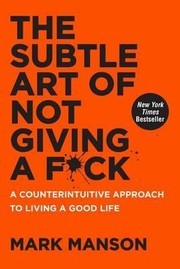
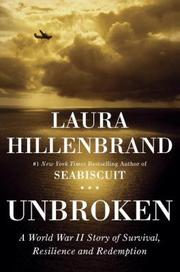
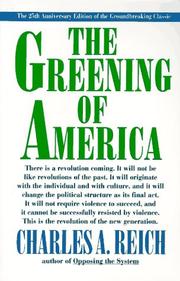
- If you liked Το νόημα της ζωής, try The Subtle Art of Not Giving a F*ck (Mark Manson), Unbroken (Laura Hillenbrand) and The Greening of America (Charles A. Reich).
A taste of the feed
The things you're dodging are already charging you rent.
Any attempt to escape the negative, to avoid it or quash it or silence it, only backfires. The avoidance of suffering is a form of suffering. The avoidance of struggle is a struggle. The denial of failure is a failure. Hiding what is shameful is itself a form of shame.
The Subtle Art of Not Giving a F*ck · Mark Manson
The difference between being in the house and being present in it.
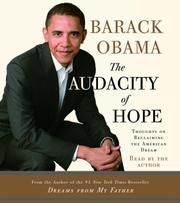
I reminded the men in the audience that being a father meant more than fathering a child; that even those of us who were physically present in the home are often emotionally absent; that precisely because many of us didn’t have fathers in the house we have to redouble our efforts to break the cycle; and that if we want to pass on high expectations to our children, we have to have higher expectations for ourselves.
The Audacity of Hope · Barack Obama
The places that felt holier than any room with a roof.
Although I did not call her by that name then, my love for Wild Woman began when I was a little child. I was an aesthete rather than an athlete, and my only wish was to be an ecstatic wanderer. Rather than chairs and tables, I preferred the ground, trees, and caves, for in those places I felt I could lean against the cheek of God.
Women Who Run with the Wolves · Clarissa Pinkola Estes
Read pages from books like this, one at a time
Keep reading in the feed