
The Wonderful Wizard of Oz
L. Frank Baum (1856–1919), 1899
★ 4.00 from 527.7k ratings on Goodreads
A vibrant journey into a world of improbable color and whimsical creatures, where the greatest treasures are the heart, courage, and a touch of pure imagination. A bright, episodic ramble through strange landscapes, carried by a curious girl and a tone that stays playful, lyrical and never preachy.
Feels like wonder, curiosity and joy. About adventure, home and identity.
Who it’s for
You may like it if you enjoy children's fantasy full of color, odd creatures and a journey that keeps opening outward. Its language is of its period, with words like 'brilliancy' and 'spectacles', so very young readers may need help.
Why read it
A vivid, good-humored adventure that takes heart, courage and imagination seriously without turning them into lessons; it gives you color, oddity and a sense of home.
Pages from the book
How does an entire civilization exist through a filter of green glass?
Even with eyes protected by the green spectacles, Dorothy and her friends were at first dazzled by the brilliancy of the wonderful City. The streets were lined with beautiful houses all built of green marble and studded everywhere with sparkling emeralds. They walked over a pavement of the same green marble, and where the blocks were joined together were rows of emeralds, set closely, and glittering in the brightness of the sun. The window panes were of green glass; even the sky above the City had a green tint, and the rays of the sun were green. When magnificent scale meets crushing, metallic disappointment.
But when the Woodman entered the great Throne Room he saw neither the Head nor the Lady, for Oz had taken the shape of a most terrible Beast. It was nearly as big as an elephant, and the green throne seemed hardly strong enough to hold its weight. The Beast had a head like that of a rhinoceros, only there were five eyes in its face. There were five long arms growing out of its body, and it also had five long, slim legs. Thick, woolly hair covered every part of it, and a more dreadful-looking monster could not be imagined. It was fortunate the Tin Woodman had no heart at that moment, for it would have beat loud and fast from terror. But being only tin, the Woodman was not at all afraid, although he was much disappointed. The instant reality becomes irreversible, what is the nature of a sudden end?
With these words the Witch fell down in a brown, melted, shapeless mass and began to spread over the clean boards of the kitchen floor. Seeing that she had really melted away to nothing, Dorothy drew another bucket of water and threw it over the mess. She then swept it all out the door. After picking out the silver shoe, which was all that was left of the old woman, she cleaned and dried it with a cloth, and put it on her foot again. Then, being at last free to do as she chose, she ran out to the courtyard to tell the Lion that the Wicked Witch of the West had come to an end, and that they were no longer prisoners in a strange land. L. Frank Baum.Baum was a staunch opponent of the then-fashionable idea that children's books should be didactic, preferring to let children construct their own magic.
Books that feel like this
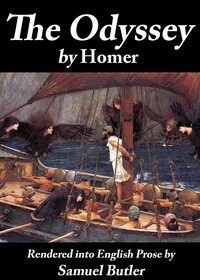
The Odyssey Rendered into English prose for the use of those who cannot read the original
Homer, -750
Also home and adventure.
Where to get it
Some of these links earn us a small commission, at no cost to you. It keeps BookFeed free.
Questions readers ask
- Is The Wonderful Wizard of Oz for me?
- You may like it if you enjoy children's fantasy full of color, odd creatures and a journey that keeps opening outward. Its language is of its period, with words like 'brilliancy' and 'spectacles', so very young readers may need help.
- What is The Wonderful Wizard of Oz like?
- A bright, episodic ramble through strange landscapes, carried by a curious girl and a tone that stays playful, lyrical and never preachy. Feels like wonder, curiosity and joy. About adventure, home and identity.
- What should I read after The Wonderful Wizard of Oz?
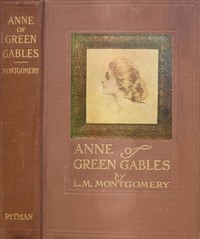
- If you liked The Wonderful Wizard of Oz, try Anne of Green Gables (L. M. Montgomery), The Odyssey Rendered into English prose for the use of those who cannot read the original (Homer) and Alice's Adventures in Wonderland (Lewis Carroll).
A taste of the feed
What does the limitless geography of a child's mind look like?
Anne was curled up Turk-fashion on the hearthrug, gazing into that joyous glow where the sunshine of a hundred summers was being distilled from the maple cordwood. She had been reading, but her book had slipped to the floor, and now she was dreaming, with a smile on her parted lips. Glittering castles in Spain were shaping themselves out of the mists and rainbows of her lively fancy; adventures wonderful and enthralling were happening to her in cloudland—adventures that always turned out triumphantly and never involved her in scrapes like those of actual life.
Anne of Green Gables · L. M. Montgomery
Reaching for someone you love and closing your arms on air.
“Then I tried to find some way of embracing my poor mother’s ghost. Thrice I sprang towards her and tried to clasp her in my arms, but each time she flitted from my embrace as it were a dream or phantom, and being touched to the quick I said to her, ‘Mother, why do you not stay still when I would embrace you? If we could throw our arms around one another we might find sad comfort in the sharing of our sorrows even in the house of Hades; does Proserpine want to lay a still further load of grief upon me by mocking me with a phantom only?’
The Odyssey Rendered into English prose for the use of those who cannot read the original · Homer
She scolds herself so well it brings her to tears.
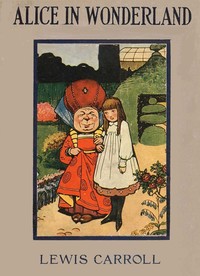
“Come, there’s no use in crying like that!” said Alice to herself, rather sharply; “I advise you to leave off this minute!” She generally gave herself very good advice, (though she very seldom followed it), and sometimes she scolded herself so severely as to bring tears into her eyes; and once she remembered trying to box her own ears for having cheated herself in a game of croquet she was playing against herself, for this curious child was very fond of pretending to be two people. “But it’s no use now,” thought poor Alice, “to pretend to be two people! Why, there’s hardly enough of me left to make one respectable person!”
Alice's Adventures in Wonderland · Lewis Carroll
Read pages from books like this, one at a time
Keep reading in the feed