
The Stranger
Albert Camus, 1942
Literary fiction Contemporary fiction
A clerk in sunstruck Algiers reports his own indifference to love, grief and guilt with unnerving calm. The prose is flat and dry, the pace even, and the mood stays sunlit and uneasy, with a quiet melancholy underneath.
Feels like unease, melancholy and defiance. About solitude, death and freedom.
Who it’s for
You may like it if you are drawn to plain, philosophical fiction about guilt and indifference. The narrator's flat, unemotional voice can feel cold, and the book offers little warmth or comfort.
Why read it
It is short and direct, and it gives you a sharp, uncomfortable look at how a person can live at a distance from his own feelings.
A page from the book
The moment a man decides he has nothing left to confess.
I don’t know why, but something inside me snapped. I started yelling at the top of my lungs, and I insulted him and told him not to waste his prayers on me. I grabbed him by the collar of his cassock. I was pouring out on him everything that was in my heart, cries of anger and cries of joy. Albert Camus.Camus, born in Algeria, kept goal for a university football team until tuberculosis ended his playing; The Stranger appeared in occupied Paris in 1942.
Books that feel like this
More by Albert Camus

The Plague
Albert Camus, 1947
A port city is sealed off by plague, and ordinary people must decide what decency costs when the routines that held them together stop.
Where to get it
Some of these links earn us a small commission, at no cost to you. It keeps BookFeed free.
Questions readers ask
- Is The Stranger for me?
- You may like it if you are drawn to plain, philosophical fiction about guilt and indifference. The narrator's flat, unemotional voice can feel cold, and the book offers little warmth or comfort.
- What is The Stranger like?
- The prose is flat and dry, the pace even, and the mood stays sunlit and uneasy, with a quiet melancholy underneath. Feels like unease, melancholy and defiance. About solitude, death and freedom.
- What should I read after The Stranger?
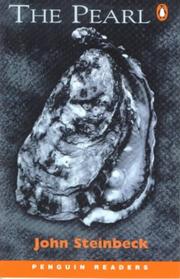
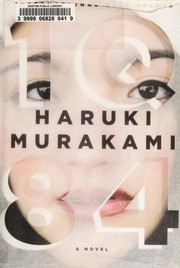
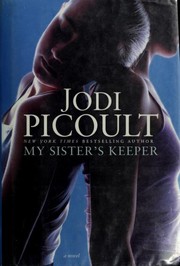
- If you liked The Stranger, try The Pearl (John Steinbeck), 1Q84 (Haruki Murakami) and My Sister's Keeper (Jodi Picoult).
A taste of the feed
When your good fortune becomes the reason your neighbours hate you.
Every man suddenly became related to Kino’s pearl, and Kino’s pearl went into the dreams, the speculations, the schemes, the plans, the futures, the wishes, the needs, the lusts, the hungers, of everyone, and only one person stood in the way and that was Kino, so that he became curiously every man’s enemy. The news stirred up something infinitely black and evil in the town; the black distillate was like the scorpion, or like hunger in the smell of food, or like loneliness when love is withheld. The poison sacs of the town began to manufacture venom, and the town swelled and puffed with the pressure of it.
The Pearl · John Steinbeck
A sudden crack in the veneer of politeness. A shock you didn't see coming.
My mother moves so fast I do not even see it coming. But she slaps my face hard enough to make my head snapbackward. She leaves a print that stains me long after it’s faded. Just so you know: shame is five-fingered.
My Sister's Keeper · Jodi Picoult
The only job that feels worth doing, and why it can't be real.
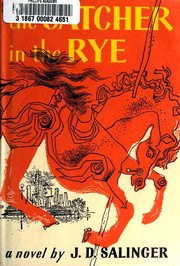
Anyway, I keep picturing all these little kids playing some game in this big field of rye and all. Thousands of little kids, and nobody’s around — nobody big, I mean — except me. And I’m standing on the edge of some crazy cliff. What I have to do, I have to catch everybody if they start to go over the cliff — I mean if they’re running and they don’t look where they’re going I have to come out from somewhere and catch them. That’s all I’d do all day. I’d just be the catcher in the rye, and all. I know it’s crazy, but that’s the only thing I’d really like to be. I know it’s crazy.
The Catcher in the Rye · J. D. Salinger
Read pages from books like this, one at a time
Keep reading in the feed