
The Year of Magical Thinking
Joan Didion, 2005
Memoir & biography Contemporary fiction
Didion's account of the year after her husband's sudden death at the dinner table: a clear-eyed report on how a rational mind grieves.
Feels like grief, melancholy and unease. About death, memory and love.
A page from the book
How quickly an ordinary evening becomes the last ordinary one.
Chapter 1 1.Life changes fast.Life changes in the instant.You sit down to dinner and life as you know it ends.The question of self-pity.Those were the first words I wrote after it happened. The computer dating on the Microsoft Word file (“Notes on change.doc”) reads “May 20, 2004, 11:11 p.m.,” but that would have been a case of my opening the file and reflexively pressing save when I closed it. I had made no changes to that file in May. I had made no changes to that file since I wrote the words, in January 2004, a day or two or three after the fact.For a long time I wrote nothing else.Life changes in the instant.The ordinary instant.At some point, in the interest of remembering what seemed most striking about what had happened, I considered adding those words, “the ordinary instant.” Joan Didion.Didion and John Gregory Dunne were married for forty years, wrote screenplays together, and read each other's pages before anyone else did.
Books that feel like this


Where to get it
Some of these links earn us a small commission, at no cost to you. It keeps BookFeed free.
Questions readers ask
- What is The Year of Magical Thinking like?
- Feels like grief, melancholy and unease. About death, memory and love.
- What should I read after The Year of Magical Thinking?
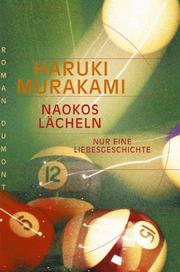
- If you liked The Year of Magical Thinking, try Norwegian Wood (Haruki Murakami), Night (Elie Wiesel) and The Stranger (Albert Camus).
A taste of the feed
What the night sky becomes when the fire is inside you.
NIGHT. No one was praying for the night to pass quickly. The stars were but sparks of the immense conflagration that was consuming us. Were this conflagration to be extinguished one day, nothing would be left in the sky but extinct stars and unseeing eyes.
Night · Elie Wiesel
The moment a man decides he has nothing left to confess.
I don’t know why, but something inside me snapped. I started yelling at the top of my lungs, and I insulted him and told him not to waste his prayers on me. I grabbed him by the collar of his cassock. I was pouring out on him everything that was in my heart, cries of anger and cries of joy.
The Stranger · Albert Camus
The particular loneliness of being looked past, not looked at.
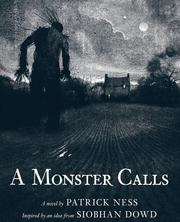
There was once an invisible man who had grown tired of being unseen. It was not that he was actually invisible. It was that people had become used to not seeing him. And if no one sees you, are you really there at all?"
A Monster Calls · Patrick Ness
Read pages from books like this, one at a time
Keep reading in the feed