
The O'Reilly Factor
Bill O'Reilly, 2000
★ 3.23 from 1.5k ratings on Goodreads
The cable-news host turns his blunt 'No Spin' voice on class, money, media and the lies adults tell—and on the suburb that shaped him. O'Reilly's blunt, conversational voice mixes defiance and dry humor with plain talk about class, money and media, moving briskly through opinions and anecdotes.
Feels like defiance, humor and curiosity. About society, identity and power.
Who it’s for
You may like it if you enjoy opinionated talk radio in print, plainspoken takes on class and media, and memoir-tinged stories from a working-class suburb. Be warned that many readers find the tone smug and repetitive, and its politics and gender views are sharply contentious.
Why read it
It offers a direct look at how one broadcaster framed class, spending and media pressure at the time, useful if you want to understand that argument from the inside.
A page from the book
Who benefits when a country pretends it has no classes?
Politicians don’t usually talk about class. It might open a dangerous door. Advertisers want us to believe we’re all one class: the consuming class, equal as long as we keep spending. The rich want us to believe that anyone can make the quantum leap from bowling league to country club by just working a little harder. That’s supposed to keep us motivated and quiet. What readers say
Readers are sharply divided: many find the book smug, repetitive and grating, with strong objections to its politics, gender views and self-assurance; others value its blunt values, clear writing and advice, even when disagreeing.
Bill O'Reilly.Before Fox News, O'Reilly taught high school English in Miami and worked as a local TV reporter.
Books that feel like this

More by Bill O'Reilly
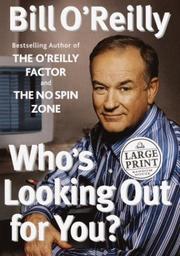
Who's Looking Out for You?
Bill O'Reilly, 2003
Bill O'Reilly turns his blunt TV voice on family: who really protected you as a child, and what parents owe their kids now.
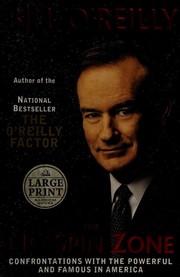
The No Spin Zone
Bill O'Reilly, 2001
Bill O'Reilly's blunt, voice-driven arguments on childhood, free speech and American responsibility, drawn from TV debates and personal history.
Where to get it
Some of these links earn us a small commission, at no cost to you. It keeps BookFeed free.
Questions readers ask
- Is The O'Reilly Factor for me?
- You may like it if you enjoy opinionated talk radio in print, plainspoken takes on class and media, and memoir-tinged stories from a working-class suburb. Be warned that many readers find the tone smug and repetitive, and its politics and gender views are sharply contentious.
- What is The O'Reilly Factor like?
- O'Reilly's blunt, conversational voice mixes defiance and dry humor with plain talk about class, money and media, moving briskly through opinions and anecdotes. Feels like defiance, humor and curiosity. About society, identity and power.
- What should I read after The O'Reilly Factor?
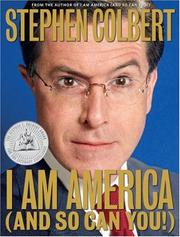
- If you liked The O'Reilly Factor, try I Am America (And So Can You!) (Stephen Colbert), Trump (Donald Trump with Tony Schwartz) and Decision Points (George W. Bush).
A taste of the feed
The cheerful logic of a country deciding its past never happened.
So let’s take that beautiful idea to its logical conclusion and not only leave the past behind but deny the past ever happened. Like this: America is not a land of immigrants. There. Was that so hard to say? It makes sense if you think about it. It feels like we’ve been here forever, doesn’t it? Let’s just assume we have been.
I Am America (And So Can You!) · Stephen Colbert
The case for leaving your door open and your calendar empty.
Most people are surprised by the way I work. I play it very loose. I don’t carry a briefcase. I try not to schedule too many meetings. I leave my door open. You can’t be imaginative or entrepreneurial if you’ve got too much structure. I prefer to come to work each day and just see what develops.
Trump · Donald Trump with Tony Schwartz
When the market stops following the rules, who is truly responsible for the collapse?
I was furious the situation had reached this point. A relatively small group of people—many on Wall Street, some not—had gambled that the housing market would keep booming forever. It didn’t. In a normal environment, the free market would render its judgment and they could fail.
Decision Points · George W. Bush
Read pages from books like this, one at a time
Keep reading in the feed