
Who's Looking Out for You?
Bill O'Reilly, 2003
★ 3.42 from 1.5k ratings on Goodreads
Bill O'Reilly turns his blunt TV voice on family: who really protected you as a child, and what parents owe their kids now. Blunt, talk-show-direct prose with a nostalgic streak, moving between childhood memory and firm opinions on who deserves your trust.
Feels like defiance, unease and curiosity. About family, society and memory.
Who it’s for
You may like it if you want a plainspoken, opinion-driven take on family loyalty and the institutions people rely on. Be warned that the tone is heavily personal and self-assured, and some readers find the politics and the ego hard to sit with.
Why read it
It asks plain questions about who actually protected you growing up and who is worth trusting now, and answers them in O'Reilly's own voice.
A page from the book
What a house sounds like when love and fear share a roof.
My home was a mixture of tradition and chaos. My father wasn’t Ozzie Nelson, the TV ideal dad in the ‘50s and ‘60s, but he wasn’t Ozzy Osbourne either. I wrote about my late father in The O’Reilly Factor, the book, and I think it is safe to say that I had a rough-hewn upbringing. Simply put: There was plenty of tension in my house. Along with a lot of yelling and martial arts. My father was the Kung and I was the Fu. What readers say
Readers are split: many find the book thought-provoking and informative, valuing its direct questions about trust, responsibility, and institutions; others find it egotistical and boring, with some disagreeing politically.
Bill O'Reilly.Who's Looking Out for You? (2003) followed O'Reilly's bestselling The O'Reilly Factor (2000), carrying his Fox News 'no-spin' persona into family advice.
Books that feel like this
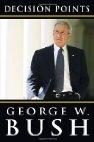
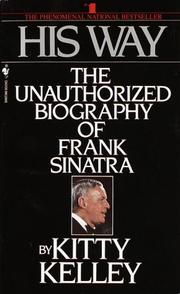
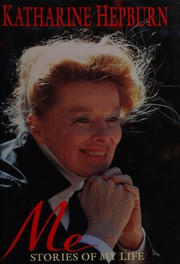
More by Bill O'Reilly
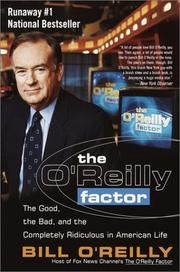
The O'Reilly Factor
Bill O'Reilly, 2000
The cable-news host turns his blunt 'No Spin' voice on class, money, media and the lies adults tell—and on the suburb that shaped him.
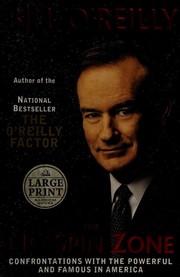
The No Spin Zone
Bill O'Reilly, 2001
Bill O'Reilly's blunt, voice-driven arguments on childhood, free speech and American responsibility, drawn from TV debates and personal history.
Where to get it
Some of these links earn us a small commission, at no cost to you. It keeps BookFeed free.
Questions readers ask
- Is Who's Looking Out for You? for me?
- You may like it if you want a plainspoken, opinion-driven take on family loyalty and the institutions people rely on. Be warned that the tone is heavily personal and self-assured, and some readers find the politics and the ego hard to sit with.
- What is Who's Looking Out for You? like?
- Blunt, talk-show-direct prose with a nostalgic streak, moving between childhood memory and firm opinions on who deserves your trust. Feels like defiance, unease and curiosity. About family, society and memory.
- What should I read after Who's Looking Out for You??
- If you liked Who's Looking Out for You?, try Decision Points (George W. Bush), His Way (Kitty Kelley) and Me (Katharine Hepburn).
A taste of the feed
When the market stops following the rules, who is truly responsible for the collapse?
I was furious the situation had reached this point. A relatively small group of people—many on Wall Street, some not—had gambled that the housing market would keep booming forever. It didn’t. In a normal environment, the free market would render its judgment and they could fail.
Decision Points · George W. Bush
A man writes a letter that is mostly a knife, and exactly correct about the sums.
Your income has always been ample, and you never ought to have borrowed any money, and Mary Towle did a great wrong in lending you any money. My opinion of you is the same as it always has been—that you are an extravagant, deceitful, dishonest, worthless person. You have squandered thousands of dollars and left your honest debts unpaid. But I do not think you are capable of comprehending the mistakes that you have made. Now that you are paying up Mary Towle, how would it do to pay the various other accounts that you owe?
Me · Katharine Hepburn
The love a child gives before she knows it can be withheld.
I loved my mother because I didn’t know I had a choice. I had to love her.
If You Tell · Gregg Olsen
Read pages from books like this, one at a time
Keep reading in the feed