
Trump
A brash New York developer narrates his deals in real time, mixing boardroom tactics, tabloid instinct and a salesman's case for thinking big. The voice is brash and direct, offering a fast-paced look at high-stakes business dealings and the philosophy of thinking big.
Feels like curiosity and serenity. About society and power.
Who it’s for
You may like it if you are interested in unconventional business strategies and the world of real estate development. Given the focus on one specific public persona, you might find the narrative style repetitive or the language overly simplistic.
Why read it
This book offers a raw look at how one person approaches large-scale deals and the art of maintaining a powerful public presence.
A page from the book
The case for leaving your door open and your calendar empty.
Most people are surprised by the way I work. I play it very loose. I don’t carry a briefcase. I try not to schedule too many meetings. I leave my door open. You can’t be imaginative or entrepreneurial if you’ve got too much structure. I prefer to come to work each day and just see what develops. Donald Trump with Tony Schwartz.Co-author Tony Schwartz, then a New York magazine journalist, later said he regretted writing the book and helping polish Trump's public persona.
Books that feel like this

Where to get it
Some of these links earn us a small commission, at no cost to you. It keeps BookFeed free.
Questions readers ask
- Is Trump for me?
- You may like it if you are interested in unconventional business strategies and the world of real estate development. Given the focus on one specific public persona, you might find the narrative style repetitive or the language overly simplistic.
- What is Trump like?
- The voice is brash and direct, offering a fast-paced look at high-stakes business dealings and the philosophy of thinking big. Feels like curiosity and serenity. About society and power.
- What should I read after Trump?
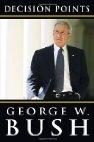
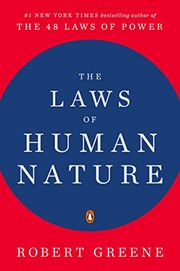
- If you liked Trump, try Decision Points (George W. Bush), The Laws of Human Nature (Robert Greene) and The Psychology of Money (Morgan Housel).
A taste of the feed
When the market stops following the rules, who is truly responsible for the collapse?
I was furious the situation had reached this point. A relatively small group of people—many on Wall Street, some not—had gambled that the housing market would keep booming forever. It didn’t. In a normal environment, the free market would render its judgment and they could fail.
Decision Points · George W. Bush
He did not want a statue. He wanted a city that could live without him.
“I could give you many other reasons,” he concluded, “why you should feel confident in ultimate victory, if only you will make up your minds not to add to the empire while the war is in progress, and not to go out of your way to involve yourselves in new perils. What I fear is not the enemy’s strategy but our own mistakes.” The novelty of what he was proposing aroused great debate. Neither hawks nor doves were satisfied with his plan, but in the end, his reputation for wisdom carried the day and his strategy was approved. Several months later the fateful war began.
The Laws of Human Nature · Robert Greene
The expensive thing is rarely the thing you're actually buying.
Be nicer and less flashy. No one is impressed with your possessions as much as you are. You might think you want a fancy car or a nice watch. But what you probably want is respect and admiration. And you’re more likely to gain those things through kindness and humility than horsepower and chrome.
The Psychology of Money · Morgan Housel
Read pages from books like this, one at a time
Keep reading in the feed