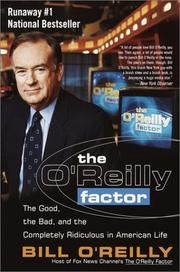
The O'Reilly Factor
Bill O'Reilly, 2000
The cable-news host turns his blunt 'No Spin' voice on class, money, media and the lies adults tell—and on the suburb that shaped him.
 BookFeed Ελληνικά
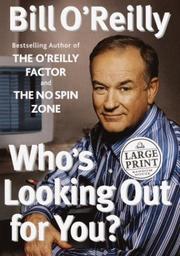
Bill O'Reilly's early books carry the same blunt, argumentative voice you hear on his show: short chapters, direct address, and a habit of turning a general complaint into a story about the neighborhood and family that shaped him. Start with «The O'Reilly Factor», where he takes on class, money and the media, or «Who's Looking Out for You?», which stays closer to home and asks who actually protected him as a child and what parents owe their kids now. Both suit you if you like an opinion stated plainly and then defended, not softened.
Feels like society, defiance and curiosity.
Start with The O'Reilly Factor.
Before Fox News, O'Reilly taught high school English in Miami and worked as a local TV reporter.
Who benefits when a country pretends it has no classes?
Politicians don’t usually talk about class. It might open a dangerous door. Advertisers want us to believe we’re all one class: the consuming class, equal as long as we keep spending. The rich want us to believe that anyone can make the quantum leap from bowling league to country club by just working a little harder. That’s supposed to keep us motivated and quiet. Bill O'Reilly, 2000
The cable-news host turns his blunt 'No Spin' voice on class, money, media and the lies adults tell—and on the suburb that shaped him.
Bill O'Reilly, 2003
Bill O'Reilly turns his blunt TV voice on family: who really protected you as a child, and what parents owe their kids now.
Bill O'Reilly, 2001
Bill O'Reilly's blunt, voice-driven arguments on childhood, free speech and American responsibility, drawn from TV debates and personal history.
Read pages from books like this, one at a time
BookFeed is a feed of real passages from real books. It learns what moves you and finds your next book.
Open BookFeedFree, no sign-up.