
The No Spin Zone
Bill O'Reilly, 2001
★ 3.25 from 1.9k ratings on Goodreads
Bill O'Reilly's blunt, voice-driven arguments on childhood, free speech and American responsibility, drawn from TV debates and personal history. O'Reilly's voice is blunt and conversational, moving quickly through personal stories and TV-style arguments with a plain, moralizing tone.
Feels like curiosity, nostalgia and unease. About morality, freedom and society.
Who it’s for
You may like this if you enjoy blunt, opinionated commentary and personal anecdotes mixed with public debate. Be aware that many readers find the arguments repetitive and self-important, with long stretches that read like show transcripts and a perceived bias.
Why read it
It gives you a direct look at how one TV commentator framed childhood, free speech and American responsibility in the early 2000s, useful for understanding that style of argument.
A page from the book
The sex talk that was really a lesson in being a barbarian.
Sex ed for me was “the talk” my father gave me when I turned thirteen. It was awkward for both of us, as the Irish aren’t exactly known for their Dr. Ruth-like candor in these matters. “The talk” was also somewhat unnecessary. I already knew the basics from seminars with my friends, using Playboy magazines as text. And my father’s words were highly theoretical because the reality was, I had about as much chance of landing the great white whale as I did of having sex. Teenage girls want to date smooth guys. I was a barbarian. But I gave my father points for trying. What readers say
Readers are sharply divided: some find the debates thought-provoking and admire the blunt, fearless style, while many others are frustrated by self-important rants, repetition of show transcripts, and perceived bias.
Bill O'Reilly.O'Reilly grew up in Levittown, Long Island, and taught high school English and history in Florida before becoming a TV commentator.
Books that feel like this



More by Bill O'Reilly
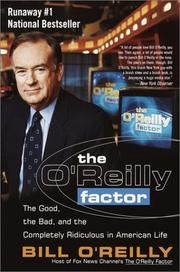
The O'Reilly Factor
Bill O'Reilly, 2000
The cable-news host turns his blunt 'No Spin' voice on class, money, media and the lies adults tell—and on the suburb that shaped him.
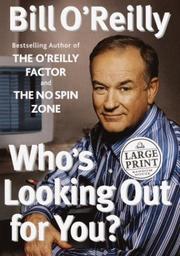
Who's Looking Out for You?
Bill O'Reilly, 2003
Bill O'Reilly turns his blunt TV voice on family: who really protected you as a child, and what parents owe their kids now.
Where to get it
Some of these links earn us a small commission, at no cost to you. It keeps BookFeed free.
Questions readers ask
- Is The No Spin Zone for me?
- You may like this if you enjoy blunt, opinionated commentary and personal anecdotes mixed with public debate. Be aware that many readers find the arguments repetitive and self-important, with long stretches that read like show transcripts and a perceived bias.
- What is The No Spin Zone like?
- O'Reilly's voice is blunt and conversational, moving quickly through personal stories and TV-style arguments with a plain, moralizing tone. Feels like curiosity, nostalgia and unease. About morality, freedom and society.
- What should I read after The No Spin Zone?
- If you liked The No Spin Zone, try Decision Points (George W. Bush), John Adams (David McCullough) and Revolution from Within (Gloria Steinem).
A taste of the feed
When the market stops following the rules, who is truly responsible for the collapse?
I was furious the situation had reached this point. A relatively small group of people—many on Wall Street, some not—had gambled that the housing market would keep booming forever. It didn’t. In a normal environment, the free market would render its judgment and they could fail.
Decision Points · George W. Bush
A revolution begins in minds, long before the first shot.
As to the history of the revolution, my ideas may be peculiar, perhaps singular. What do we mean by the Revolution? The war? That was no part of the revolution; it was only an effect and consequence of it. The revolution was in the minds of the people, and this was effected from 1760–1775, in the course of fifteen years, before a drop of blood was shed at Lexington.
John Adams · David McCullough
How does a nation’s destiny hinge entirely upon the ego of its citizens?
I’ve learned from these events that self-esteem plays as much a part in the destiny of nations as it does in the lives of individuals; that self-hatred leads to the need either to dominate or to be dominated; that citizens who refuse to obey anything but their own conscience can transform their countries; in short, that self-esteem is the basis of any real democracy.
Revolution from Within · Gloria Steinem
Read pages from books like this, one at a time
Keep reading in the feed