
Ragtime
E. L. Doctorow, 1975
★ 3.90 from 48.5k ratings on Goodreads
A flag-making family, a chorus-girl scandal and Houdini collide in 1902 America, told in prose as syncopated as ragtime. The prose moves with a syncopated, witty rhythm, mixing wonder and family warmth with a cool, lyrical distance.
Feels like wonder, unease and joy. About love, freedom and family.
Who it’s for
You may enjoy this if you like history and invention braided together, with real figures and fictional lives sharing the same lively page. Some readers found the characters hard to hold onto and the historical cameos distracting, so expect a looser, more uneven experience than a tightly centered family story.
Why read it
It offers a quick, vivid way to see 1902 America through a playful blend of fact and fiction, with prose that keeps its own syncopated beat.
A page from the book
A fortune built on flags, fireworks and the business of patriotism.
In 1902 Father built a house at the crest of the Broadview Avenue hill in New Rochelle, New York. It was a three-story brown shingle with dormers, bay windows and a screened porch. Striped awnings shaded the windows. The family took possession of this stout manse on a sunny day in June and it seemed for some years thereafter that all their days would be warm and fair. The best part of Father’s income was derived from the manufacture of flags and buntings and other accoutrements of patriotism, including fireworks. Patriotism was a reliable sentiment in the early 1900’s. Teddy Roosevelt was President. The population customarily gathered in great numbers either out of doors for parades, public concerts, fish fries, political picnics, social outings, or indoors in meeting halls, vaudeville theatres, operas, ballrooms. There seemed to be no entertainment that did not involve great swarms of people. What readers say
Many readers found it engrossing and vivid, praising its fast rhythm and clever mixing of history with fiction. Others felt detached from the characters or found the historical cameos distracting and the whole uneven.
E. L. Doctorow.Before fiction, Doctorow was editor-in-chief at Dial Press, where he acquired and edited novels; he later put real and invented characters on the same page without distinction.
Books that feel like this

Where to get it
Some of these links earn us a small commission, at no cost to you. It keeps BookFeed free.
Questions readers ask
- Is Ragtime for me?
- You may enjoy this if you like history and invention braided together, with real figures and fictional lives sharing the same lively page. Some readers found the characters hard to hold onto and the historical cameos distracting, so expect a looser, more uneven experience than a tightly centered family story.
- What is Ragtime like?
- The prose moves with a syncopated, witty rhythm, mixing wonder and family warmth with a cool, lyrical distance. Feels like wonder, unease and joy. About love, freedom and family.
- What should I read after Ragtime?
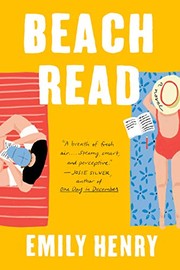
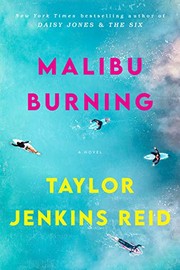
- If you liked Ragtime, try Beach Read (Emily Henry), Malibu Rising (Taylor Jenkins Reid) and Americanah (Chimamanda Ngozi Adichie).
A taste of the feed
What you lose the moment you finally open the last letter.
Either way, I’d fully intended to read the letter. I’d just been waiting for the right time, hoping the worst of my anger would settle and those last words from Dad would be comforting. Instead, a full year had passed and the dread I felt at the thought of opening the envelope grew every day. It was so unfair, that he should get the last word and I’d have no way to reply. To scream or cry or demand more answers. Once I’d opened it, there’d be no going back. That would be it. The final goodbye.
Beach Read · Emily Henry
Ask four siblings about their parents' marriage and you get four different books.
The story of June and Mick Riva seemed like a tragedy to their oldest child, Nina. It felt like a comedy of errors to their first son, Jay. It was an origin story for their second son, Hud. And a mystery to the baby of the family, Kit. To Mick himself it was just a chapter of his memoir.
Malibu Rising · Taylor Jenkins Reid
The rules for describing racism without making anyone uncomfortable.
If you’re telling a non-black person about something racist that happened to you, make sure you are not bitter. Don’t complain. Be forgiving. If possible, make it funny. Most of all, do not be angry. Black people are not supposed to be angry about racism. Otherwise you get no sympathy. This applies only for white liberals, by the way. Don’t even bother telling a white conservative about anything racist that happened to you. Because the conservative will tell you that YOU are the real racist and your mouth will hang open in confusion.
Americanah · Chimamanda Ngozi Adichie
Read pages from books like this, one at a time
Keep reading in the feed