
Μεταφράσεις
Παύλος Γρατσιάτος (1844–1917)
Aristotle on smell, sleep and dreaming, put into Greek that tries to make ancient science plain — a stranger's guide to what our senses get wrong. The philosopher of reason, looking at what the body does unbidden. Invest in lower-quality query yields now. You get the idea. Every nerd has a passion. It's because they make us see what's not there. Dream logic, from someone who saw it first. Are You Getting My Texts? Let's Make It Interesting. Consider the joy of being wrong. The body has its own reasons. This is the interesting part. Cooking is magic. The profit of doom. The case for dirty rugs. A beautiful translation of an odd, curious mind. This reading feels like a curious journey into the workings of the body, blending serious philosophy with strange observations about dreams and senses.
Feels like curiosity and wonder. About society, nature and madness.
Who it’s for
You may like it if you enjoy blending classical philosophy with the strange, often overlooked mechanics of human biology. Be prepared for the formal, highly academic language of the translation, which may require careful reading.
Why read it
This book gives you a unique window into how ancient thinkers tried to make sense of the mysterious functions of the human body.
Pages from the book
Love and fear do not change the world, only what we cannot stop seeing.
Ως προς το εν αρχή τεθέν ζήτημα, έστω ως ομολογούμενον αφ’ ενός μεν τούτο, το οποίον είναι φανερόν εκ των ειρημένων, ότι δηλαδή, και όταν αφανισθή το έξωθεν αισθητόν, μένουσι τα αισθήματα και είναι αισθητά, αφ’ ετέρου δε ότι ευκόλως απατώμεθα ως προς τας αισθήσεις, όταν κυριευώμεθα υπό τινος πάθους, άλλος υπό άλλου, ως ο δειλός λ. χ. υπό φόβου, ο ερωτικός υπό έρωτος, πλανώνται δ’ ούτως, ώστε διά μικράς ομοιότητας εκείνος μεν νομίζει ότι βλέπει παντού εχθρούς, ούτος δε το ερώμενον πρόσωπον. Και όσω περισσότερον δεσπόζεταί τις από το πάθος, τόσω μάλλον μικρά δύναται να είναι η ομοιότης (η φαινομενική). Ομοίως δε οι άνθρωποι ευκόλως απατώνται πάντες, όταν διατελώσιν υπό το κράτος οργής και οιασδήποτε επιθυμίας, και τόσω μάλλον απατώνται, όσω ισχυρότερον είναι το πάθος των. Why memory feels like a seal in wax, and why some days it refuses to set.
Δύναταί τις να ερωτήση: πώς άρά γε, ενώ το πάθος μόνον είναι παρόν (εν τη ψυχή, το δε πράγμα είναι απόν, όμως ανακαλείται εις την μνήμην το μη παρόν (πράγμα); Αλλ’ είναι φανερόν ότι πρέπει να νοήσωμεν, ότι το διά της αισθήσεως γινόμενον εις την ψυχήν πάθος (η εντύπωσις) και εις το μέρος του σώματος όπερ έχει (αντιλαμβάνεται) αυτήν , ης την κατοχήν καλούμεν μνήμην, είναι όμοιον με ζωγράφημα. Διότι η γινομένη κίνησις εγχαράττει (εις την ψυχήν) ως τύπον του αισθήματος, όμοιον με τον τύπον τον οποίον χαράττουσιν επί του κηρού διά του δακτυλίου (ως σφραγίδος). Διά τούτο και εκείνοι, οι οποίοι ευρίσκονται εις μεγάλην συγκίνησιν ή ένεκα πάθους ή ένεκα της νεανικής ηλικίας, δεν έχουσι μνήμην (των συμβάντων), ως εάν η κίνησις και η σφραγίς έπιπτον εις ρέον ύδωρ. If the gods send dreams, why do they bother with the ordinary?
Αλλά επειδή δεν βλέπομεν ουδεμίαν εύλογον αιτίαν, διά την οποίαν δύναται να γίνηται (μαντεία διά των ονείρων), εκ τούτου γεννάται δυσπιστία εις αυτά. Διότι να παραδεχθώμεν ότι ο Θεός στέλλει τα όνειρα, τούτο παρεκτός του άλλου παραλογισμού του, έχει το άτοπον ότι ο Θεός στέλλει τα όνειρα όχι εις τους αρίστους και σοφωτάτους, αλλά εις τους τυχόντας. Παύλος Γρατσιάτος.Gratsiatos, a Greek scholar of the later 19th century, translated Aristotle's Parva Naturalia and biological treatises into a careful katharevousa, part of a wider effort to give modern Greek readers access to ancient science.
Books that feel like this



Where to get it
Some of these links earn us a small commission, at no cost to you. It keeps BookFeed free.
Questions readers ask
- Is Μεταφράσεις for me?
- You may like it if you enjoy blending classical philosophy with the strange, often overlooked mechanics of human biology. Be prepared for the formal, highly academic language of the translation, which may require careful reading.
- What is Μεταφράσεις like?
- This reading feels like a curious journey into the workings of the body, blending serious philosophy with strange observations about dreams and senses. Feels like curiosity and wonder. About society, nature and madness.
- What should I read after Μεταφράσεις?
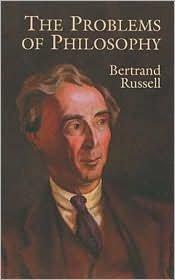
- If you liked Μεταφράσεις, try The Problems of Philosophy (Bertrand Russell), Dialogues (Plato) and The Counterfeiters (André Gide).
A taste of the feed
What it would be to look at the world without wanting anything.
Everything, in contemplation, that is personal or private, everything that depends upon habit, self-interest, or desire, distorts the object, and hence impairs the union which the intellect seeks. By thus making a barrier between subject and object, such personal and private things become a prison to the intellect. The free intellect will see as God might see, without a here and now, without hopes and fears, without the trammels of customary beliefs and traditional prejudices, calmly, dispassionately, in the sole and exclusive desire of knowledge—knowledge as impersonal, as purely contemplative, as it is possible for man to attain.
The Problems of Philosophy · Bertrand Russell
The relief of discovering you owe nothing to the people who raised you.
Owing to an accidental discovery I happened to make this afternoon, I have become aware that I must cease to regard you as my father. This is an immense relief to me. Realizing as I do how little affection I feel for you, I have for a long time past been thinking myself an unnatural son; I prefer knowing I am not your son at all.
The Counterfeiters · André Gide
Read pages from books like this, one at a time
Keep reading in the feed