
The Counterfeiters
André Gide (1869–1951), 1925
★ 3.82 from 10.8k ratings on Goodreads
A novel about a novelist writing a novel, and a group of young people trying on love, faith and false identities. A cool, curious novel of ideas, moving through young lives and false identities with ironic poise and growing unease.
Feels like curiosity and unease. About identity, society and morality.
Who it’s for
You may like it if you enjoy fiction that openly thinks about novel-writing while testing love, faith and moral shape. Be prepared for a cool, ironic tone and a large cast whose stories interlace; the book is more interested in inquiry than steady plot momentum.
Why read it
It puts you inside the making of a novel while its characters try on selves, offering a sharp, uneasy portrait of how people invent and misread one another.
Pages from the book
The relief of discovering you owe nothing to the people who raised you.
Owing to an accidental discovery I happened to make this afternoon, I have become aware that I must cease to regard you as my father. This is an immense relief to me. Realizing as I do how little affection I feel for you, I have for a long time past been thinking myself an unnatural son; I prefer knowing I am not your son at all. The moment a rescue boat becomes a border.
The recollection which remains most vividly with me and which nothing will ever efface from my mind and my heart is this.—There were about forty or so of us in the boat, all crowded together, for a number of swimmers had been picked up at the last gasp like me. The water was almost on a level with the edge of the boat. I was in the stern and I was holding the little girl I had just saved tightly pressed against me to warm her—and to prevent her from seeing what I couldn’t help seeing myself—two sailors, one armed with a hatchet and the other with a kitchen chopper. And what do you think they were doing? … They were hacking off the fingers and hands of the swimmers who were trying to get into our boat. The idol you marry is not the person you live with.
What an admirable subject for a novel—the progressive and reciprocal decrystallization of a husband and wife after fifteen or twenty years of married life. So long as he loves and desires to be loved, the lover cannot show himself as he really is, and moreover he does not see the beloved—but instead, an idol whom he decks out, a divinity whom he creates. André Gide.Gide called The Counterfeiters his first novel, though he was fifty-six; his earlier fiction he classified as récits, or tales.
Books that feel like this

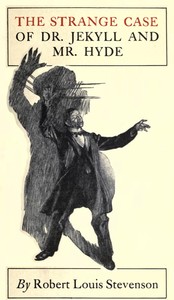
The strange case of Dr. Jekyll and Mr. Hyde
Robert Louis Stevenson, 1886
Also identity and morality.

Where to get it
Some of these links earn us a small commission, at no cost to you. It keeps BookFeed free.
Questions readers ask
- Is The Counterfeiters for me?
- You may like it if you enjoy fiction that openly thinks about novel-writing while testing love, faith and moral shape. Be prepared for a cool, ironic tone and a large cast whose stories interlace; the book is more interested in inquiry than steady plot momentum.
- What is The Counterfeiters like?
- A cool, curious novel of ideas, moving through young lives and false identities with ironic poise and growing unease. Feels like curiosity and unease. About identity, society and morality.
- What should I read after The Counterfeiters?
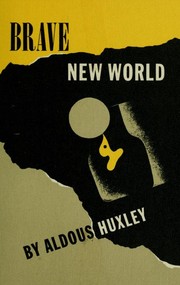
- If you liked The Counterfeiters, try Dialogues (Plato), Essays of Michel de Montaigne (Michel de Montaigne) and Brave New World (Aldous Huxley).
A taste of the feed
What is lost when nothing is allowed to stand between wanting and having.
Impulse arrested spills over, and the flood is feeling, the flood is passion, the flood is even madness: it depends on the force of the current, the height and strength of the barrier. The unchecked stream flows smoothly down its appointed channels into a calm well-being. (The embryo is hungry; day in, day out, the blood-surrogate pump unceasingly turns its eight hundred revolutions a minute. The decanted infant howls; at once a nurse appears with a bottle of external secretion. Feeling lurks in that interval of time between desire and its consummation. Shorten that interval, break down all those old unnecessary barriers.
Brave New World · Aldous Huxley
The injury that lasts longer than a blow: being looked through.
I was standing by the billiard-table and in my ignorance blocking up the way, and he wanted to pass; he took me by the shoulders and without a word—without a warning or explanation—moved me from where I was standing to another spot and passed by as though he had not noticed me. I could have forgiven blows, but I could not forgive his having moved me without noticing me.
Notes from Underground · Fyodor Dostoevsky
Read pages from books like this, one at a time
Keep reading in the feed