
Flowers for Algernon
Daniel Keyes, 1966
★ 4.25 from 854.2k ratings on Goodreads
A man whose mind is transformed by surgery discovers that intelligence has a price, and that feeling may be the harder science. Charlie's first-person voice moves from simple to intricate, and the mood turns quietly melancholy as curiosity gives way to moral unease.
Feels like melancholy, curiosity and grief. About identity, morality and society.
Who it’s for
You may like it if you're drawn to first-person science fiction that takes intelligence and empathy seriously. Be prepared for a slow, sometimes formulaic stretch and a story that readers often describe as emotionally devastating.
Why read it
It asks what happens when kindness and cleverness arrive on different schedules, and it lets you feel that question from the inside.
A page from the book
The grip that keeps us from dissolving into the storm.
As when men to keep from being swept overboard in the storm clutch at each other’s hands to resist being torn apart, so our bodies fused a link in the human chain that kept us from being swept into nothing. What readers say
Readers say the book is emotionally devastating and thought-provoking, with Charlie’s journey evoking tears, empathy, and anger at cruelty. Some find it slow and formulaic, but most describe it as unforgettable and deeply human.
Daniel Keyes.Keyes wrote the first version after a student asked whether he could become smart by working hard; the story won a Hugo before becoming a novel.
Books that feel like this
Where to get it
Some of these links earn us a small commission, at no cost to you. It keeps BookFeed free.
Questions readers ask
- Is Flowers for Algernon for me?
- You may like it if you're drawn to first-person science fiction that takes intelligence and empathy seriously. Be prepared for a slow, sometimes formulaic stretch and a story that readers often describe as emotionally devastating.
- What is Flowers for Algernon like?
- Charlie's first-person voice moves from simple to intricate, and the mood turns quietly melancholy as curiosity gives way to moral unease. Feels like melancholy, curiosity and grief. About identity, morality and society.
- What should I read after Flowers for Algernon?
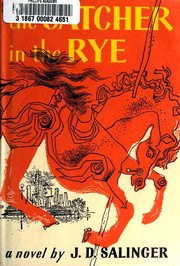
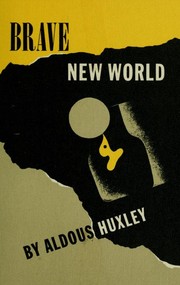
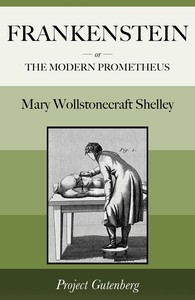
- If you liked Flowers for Algernon, try The Catcher in the Rye (J. D. Salinger), Brave New World (Aldous Huxley) and Frankenstein (Mary Shelley).
A taste of the feed
The only job that feels worth doing, and why it can't be real.
Anyway, I keep picturing all these little kids playing some game in this big field of rye and all. Thousands of little kids, and nobody’s around — nobody big, I mean — except me. And I’m standing on the edge of some crazy cliff. What I have to do, I have to catch everybody if they start to go over the cliff — I mean if they’re running and they don’t look where they’re going I have to come out from somewhere and catch them. That’s all I’d do all day. I’d just be the catcher in the rye, and all. I know it’s crazy, but that’s the only thing I’d really like to be. I know it’s crazy.
The Catcher in the Rye · J. D. Salinger
What is lost when nothing is allowed to stand between wanting and having.
Impulse arrested spills over, and the flood is feeling, the flood is passion, the flood is even madness: it depends on the force of the current, the height and strength of the barrier. The unchecked stream flows smoothly down its appointed channels into a calm well-being. (The embryo is hungry; day in, day out, the blood-surrogate pump unceasingly turns its eight hundred revolutions a minute. The decanted infant howls; at once a nurse appears with a bottle of external secretion. Feeling lurks in that interval of time between desire and its consummation. Shorten that interval, break down all those old unnecessary barriers.
Brave New World · Aldous Huxley
A mind wakes up with no history, and nobody to ask.
“But where were my friends and relations? No father had watched my infant days, no mother had blessed me with smiles and caresses; or if they had, all my past life was now a blot, a blind vacancy in which I distinguished nothing. From my earliest remembrance I had been as I then was in height and proportion. I had never yet seen a being resembling me or who claimed any intercourse with me. What was I? The question again recurred, to be answered only with groans.
Frankenstein · Mary Shelley
Read pages from books like this, one at a time
Keep reading in the feed