
Dune
Frank Herbert, 1965
★ 4.29 from 1.7m ratings on Goodreads
A desert planet, a spice that lets navigators fold space, and a boy being trained into a messiah he never asked to be. The book moves slowly and grandly through desert heat, court intrigue and prophecy, with a solemn, philosophical voice.
Feels like awe, dread and wonder. About power and freedom.
Who it’s for
You may like it if you enjoy dense political world-building, religious texture and a story that thinks in centuries. Be prepared for long stretches of exposition and invented vocabulary that some readers find slow and dated.
Why read it
It gives you a vast, uneasy vision of power, ecology and belief; the patience it asks for is part of its scale.
A page from the book
What to say to yourself when fear arrives and will not leave.
I must not fear. Fear is the mind-killer. Fear is the little-death that brings total obliteration. I will face my fear. I will permit it to pass over me and through me. And when it has gone past I will turn the inner eye to see its path. Where the fear has gone there will be nothing. Only I will remain. What readers say
Readers are split: some admire the ambitious world-building, political and religious depth, and philosophical scope, finding it immersive and rewarding; others find the dense exposition confusing, slow, and dated, with boredom or disappointment.
Frank Herbert.Dune began as a magazine assignment on Oregon's moving sand dunes, and was first published by Chilton, a house better known for auto-repair manuals.
Books that feel like this


Where to get it
Some of these links earn us a small commission, at no cost to you. It keeps BookFeed free.
Questions readers ask
- Is Dune for me?
- You may like it if you enjoy dense political world-building, religious texture and a story that thinks in centuries. Be prepared for long stretches of exposition and invented vocabulary that some readers find slow and dated.
- What is Dune like?
- The book moves slowly and grandly through desert heat, court intrigue and prophecy, with a solemn, philosophical voice. Feels like awe, dread and wonder. About power and freedom.
- What should I read after Dune?
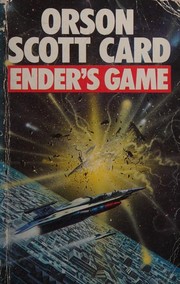
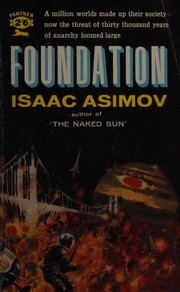
- If you liked Dune, try Ender's Game (Orson Scott Card), Foundation (Isaac Asimov) and The Handmaid's Tale (Margaret Atwood).
A taste of the feed
What if understanding someone is the first step toward destroying them?
“In the moment when I truly understand my enemy, understand him well enough to defeat him, then in that very moment I also love him. I think it’s impossible to really understand somebody, what they want, what they believe, and not love them the way they love themselves. And then, in that very moment when I love them... I destroy them. -” “You beat them.” For a moment she was not afraid of his understanding. “No, you don’t understand. I destroy them. I make it impossible for them to ever hurt me again. I grind them and grind them until they don’t exist.”
Ender's Game · Orson Scott Card
What it feels like to wait for a whole planet to appear.
What Gaal was waiting for after the disappointment of the Jump was that first sight of Trantor. He haunted the View-room. The steel shutter-lids were rolled back at announced times and he was always there, watching the hard brilliance of the stars, enjoying the incredible hazy swarm of a star cluster, like a giant conglomeration of fireflies caught in mid-motion and stilled forever. At one time there was the cold, blue-white smoke of a gaseous nebula within five light years of the ship, spreading over the window like distant milk, filling the room with an icy tinge, and disappearing out of sight two hours later, after another Jump.
Foundation · Isaac Asimov
The endearing details that make a monster seem human.
He was not a monster, to her. Probably he had some endearing trait: he whistled, off key, in the shower, he had a yen for truffles, he called his dog Liebchen and made it sit up for little pieces of raw steak. How easy it is to invent a humanity, for anyone at all.
The Handmaid's Tale · Margaret Atwood
Read pages from books like this, one at a time
Keep reading in the feed