
The Immortal Life of Henrietta Lacks
Rebecca Skloot, 2010
Popular science HistoryMemoir & biography
A young journalist chases the woman behind the first immortal human cells and finds a family still living with what science took without asking. A patient, curious reporter's voice moves between lab history and family memory, carrying unease and awe without rushing.
Feels like unease, awe and curiosity. About faith, family and memory.
Who it’s for
You may like this if you want science told through a family's story and are willing to sit with uncomfortable questions about consent and race. The reporting is thorough but sometimes slow, and the book moves among many relatives and decades, so it asks for patience with names and timelines.
Why read it
It shows how one woman's cells became a medical cornerstone while her family was left asking what they were owed, a question that still matters.
A page from the book
The woman whose cells outlived her, and the question of what she would think.
I’ve spent years staring at that photo, wondering what kind of life she led, what happened to her children, and what she’d think about cells from her cervix living on forever—bought, sold, packaged, and shipped by the trillions to laboratories around the world. I’ve tried to imagine how she’d feel knowing that her cells went up in the first space missions to see what would happen to human cells in zero gravity, or that they helped with some of the most important advances in medicine: the polio vaccine, chemotherapy, cloning, gene mapping, in vitro fertilization. I’m pretty sure that she—like most of us—would be shocked to hear that there are trillions more of her cells growing in laboratories now than there ever were in her body. Rebecca Skloot.Skloot spent a decade reporting the book and founded the Henrietta Lacks Foundation, which supports descendants of research subjects.
Books that feel like this


Where to get it
Some of these links earn us a small commission, at no cost to you. It keeps BookFeed free.
Questions readers ask
- Is The Immortal Life of Henrietta Lacks for me?
- You may like this if you want science told through a family's story and are willing to sit with uncomfortable questions about consent and race. The reporting is thorough but sometimes slow, and the book moves among many relatives and decades, so it asks for patience with names and timelines.
- What is The Immortal Life of Henrietta Lacks like?
- A patient, curious reporter's voice moves between lab history and family memory, carrying unease and awe without rushing. Feels like unease, awe and curiosity. About faith, family and memory.
- What should I read after The Immortal Life of Henrietta Lacks?
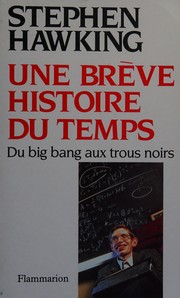
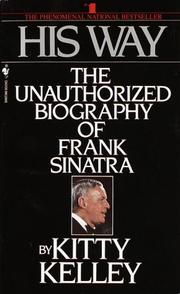
- If you liked The Immortal Life of Henrietta Lacks, try Steve Jobs (Walter Isaacson), A Brief History of Time (Stephen W. Hawking) and His Way (Kitty Kelley).
A taste of the feed
The question a physicist can ask but equations cannot answer.
Even if there is only one possible unified theory, it is just a set of rules and equations. What is it that breathes fire into the equations and makes a universe for them to describe? The usual approach of science of constructing a mathematical model cannot answer the questions of why there should be a universe for the model to describe. Why does the universe go to all the bother of existing?
A Brief History of Time · Stephen W. Hawking
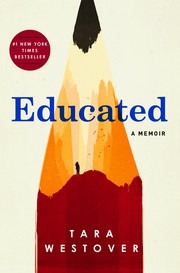
What an apology can build after it has arrived too late.
You were my child. I should have protected you. I lived a lifetime in the moment I read those lines, a life that was not the one I had actually lived. I became a different person, who remembered a different childhood. I didn’t understand the magic of those words then, and I don’t understand it now. I know only this: that when my mother told me she had not been the mother to me that she wished she’d been, she became that mother for the first time.
Educated · Tara Westover
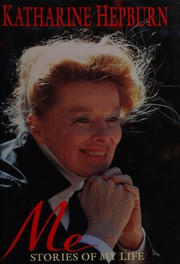
A man writes a letter that is mostly a knife, and exactly correct about the sums.
Your income has always been ample, and you never ought to have borrowed any money, and Mary Towle did a great wrong in lending you any money. My opinion of you is the same as it always has been—that you are an extravagant, deceitful, dishonest, worthless person. You have squandered thousands of dollars and left your honest debts unpaid. But I do not think you are capable of comprehending the mistakes that you have made. Now that you are paying up Mary Towle, how would it do to pay the various other accounts that you owe?
Me · Katharine Hepburn
Read pages from books like this, one at a time
Keep reading in the feed