
Steve Jobs
Walter Isaacson, 2011
Memoir & biography Economics & businessPopular science
The authorized life of Apple's cofounder, built from years of interviews with a man who demanded perfection and often got it. Isaacson keeps a plain, brisk voice, threading interviews and anecdotes with curiosity and occasional unease at Jobs’s demands.
Feels like curiosity, awe and unease. About solitude, memory and love.
Who it’s for
You may like it if you enjoy business and technology history told through a difficult, exacting personality. The many interview voices can make the narrative feel dense rather than streamlined, even as the portrait stays admiring but not uncritical.
Why read it
It gives you a close view of how one exacting person shaped everyday tools, and why the cost of that perfectionism matters.
A page from the book
A man lists everything he did not invent about his own life.
From: Steve JobsTo: Steve JobsSubject:Date: September 2, 2010, 11:08 p.m.I grow little of the food I eat, and of the little I do grow I did not breed or perfect the seeds.I do not make any of my own clothing.I speak a language I did not invent or refine.I did not discover the mathematics I use.I am protected by freedoms and laws I did not conceive of or legislate, and do not enforce or adjudicate.I am moved by music I did not create myself.When I needed medical attention, I was helpless to help myself survive.I did not invent the transistor, the microprocessor, object oriented programming, or most of the technology I work with.I love and admire my species, living and dead, and am totally dependent on them for my life and well being.Sent from my iPad Walter Isaacson.Isaacson conducted more than forty interviews with Jobs over two years, plus hundreds with family, friends and rivals; Jobs asked him to write the book.
Books that feel like this


Where to get it
Some of these links earn us a small commission, at no cost to you. It keeps BookFeed free.
Questions readers ask
- Is Steve Jobs for me?
- You may like it if you enjoy business and technology history told through a difficult, exacting personality. The many interview voices can make the narrative feel dense rather than streamlined, even as the portrait stays admiring but not uncritical.
- What is Steve Jobs like?
- Isaacson keeps a plain, brisk voice, threading interviews and anecdotes with curiosity and occasional unease at Jobs’s demands. Feels like curiosity, awe and unease. About solitude, memory and love.
- What should I read after Steve Jobs?
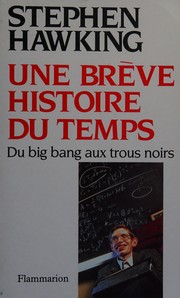
- If you liked Steve Jobs, try The Immortal Life of Henrietta Lacks (Rebecca Skloot), A Brief History of Time (Stephen W. Hawking) and Shoe Dog (Phil Knight).
A taste of the feed
The question a physicist can ask but equations cannot answer.
Even if there is only one possible unified theory, it is just a set of rules and equations. What is it that breathes fire into the equations and makes a universe for them to describe? The usual approach of science of constructing a mathematical model cannot answer the questions of why there should be a universe for the model to describe. Why does the universe go to all the bother of existing?
A Brief History of Time · Stephen W. Hawking
The difference between a job that empties you and a calling that spends you.
I’d tell men and women in their midtwenties not to settle for a job or a profession or even a career. Seek a calling. Even if you don’t know what that means, seek it. If you’re following your calling, the fatigue will be easier to bear, the disappointments will be fuel, the highs will be like nothing you’ve ever felt.
Shoe Dog · Phil Knight
The case for leaving your door open and your calendar empty.
Most people are surprised by the way I work. I play it very loose. I don’t carry a briefcase. I try not to schedule too many meetings. I leave my door open. You can’t be imaginative or entrepreneurial if you’ve got too much structure. I prefer to come to work each day and just see what develops.
Trump · Donald Trump with Tony Schwartz
Read pages from books like this, one at a time
Keep reading in the feed