
Shoe Dog
Phil Knight, 2016
Memoir & biography Economics & business
The founder of Nike remembers selling shoes from a car trunk, betting on a strange idea, and learning that business is never just business. A wry, restless recollection of scrappy years, told with curiosity and a streak of melancholy, moving briskly from one gamble to the next.
Feels like curiosity and melancholy. About memory.
Who it’s for
You may like this if you enjoy founder memoirs that admit doubt and missteps rather than polishing everything into a success story. Be aware it is a long book, and the early stretches of bank meetings and shoe orders can feel repetitive before the bigger decisions arrive.
Why read it
It shows the unglamorous middle of building something, when the idea is still strange and the money is still short, which is useful company if you are weighing a risky choice of your own.
A page from the book
The difference between a job that empties you and a calling that spends you.
I’d tell men and women in their midtwenties not to settle for a job or a profession or even a career. Seek a calling. Even if you don’t know what that means, seek it. If you’re following your calling, the fatigue will be easier to bear, the disappointments will be fuel, the highs will be like nothing you’ve ever felt. Phil Knight.Nike’s swoosh was drawn by design student Carolyn Davidson for $35 in 1971; Knight later gave her Nike stock.
Books that feel like this


Where to get it
Some of these links earn us a small commission, at no cost to you. It keeps BookFeed free.
Questions readers ask
- Is Shoe Dog for me?
- You may like this if you enjoy founder memoirs that admit doubt and missteps rather than polishing everything into a success story. Be aware it is a long book, and the early stretches of bank meetings and shoe orders can feel repetitive before the bigger decisions arrive.
- What is Shoe Dog like?
- A wry, restless recollection of scrappy years, told with curiosity and a streak of melancholy, moving briskly from one gamble to the next. Feels like curiosity and melancholy. About memory.
- What should I read after Shoe Dog?
- If you liked Shoe Dog, try This is Going to Hurt (Adam Kay), Steve Jobs (Walter Isaacson) and A Daughter of the Samurai (Etsu Inagaki Sugimoto).
A taste of the feed
A mother unpicks generations of needlework so her daughter can pass unnoticed.
All that winter the household was busy getting me ready for school. The pathos of these preparations I did not realize; nor, I think, did any of us. Mother spent evening after evening bending her stately head over wonderful embroidered garments, ripping out, stitch by stitch, the exquisite work of hands folded in rest generations ago. Then Ishi would dye the silk and make it into plain garments suitable for my school life.
A Daughter of the Samurai · Etsu Inagaki Sugimoto
A man writes a letter that is mostly a knife, and exactly correct about the sums.
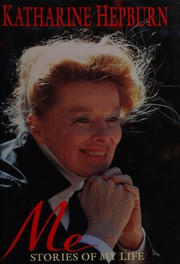
Your income has always been ample, and you never ought to have borrowed any money, and Mary Towle did a great wrong in lending you any money. My opinion of you is the same as it always has been—that you are an extravagant, deceitful, dishonest, worthless person. You have squandered thousands of dollars and left your honest debts unpaid. But I do not think you are capable of comprehending the mistakes that you have made. Now that you are paying up Mary Towle, how would it do to pay the various other accounts that you owe?
Me · Katharine Hepburn
Every generation mistakes its childhood for a better world.
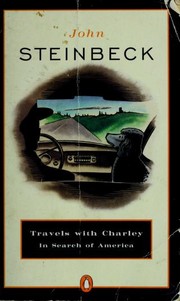
Even while I protest the assembly-line production of our food, our songs, our language, and eventually our souls, I know that it was a rare home that baked good bread in the old days. Mother’s cooking was with rare exceptions poor, that good unpasteurized milk touched only by flies and bits of manure crawled with bacteria, the healthy old-time life was riddled with aches, sudden death from unknown causes, and that sweet local speech I mourn was the child of illiteracy and ignorance. It is the nature of a man as he grows older, a small bridge in time, to protest against change, particularly change for the better.
Travels with Charley · John Steinbeck
Read pages from books like this, one at a time
Keep reading in the feed