
Space
James Michener, 1982
★ 4.01 from 7.3k ratings on Goodreads
Michener turns the race to space into a sprawling human story of rockets, war, ambition and the people who risk everything to leave Earth. Awe and satire share the page as Michener moves from launch pads to war rooms at a steady, detail-heavy pace.
Feels like awe, wonder and serenity. About ambition, society and war.
Who it’s for
You may like it if you enjoy long historical novels that mix engineering, politics and personal ambition across decades. Be prepared for a slow, overlong read where fact and fiction blur, which some readers find confusing.
Why read it
Read it for a wide-angle view of the space race, with human stakes and technical detail that make the era feel lived rather than summarized.
A page from the book
A weapon so fast that hearing it means you survived.
Even on the radar it displayed its silent speed, more than two thousand miles an hour. It would not be heard at this station until some moments after it had passed. Then sonic booms would thunder through the air, reassuring the listeners that this bomb at least had passed them by. “If you hear it,” the sergeant explained to Mott, “it’s already gone.” What readers say
Readers often find the space-program history absorbing and emotionally stirring, especially its human and scientific detail. Some also call it slow, overlong, or confusing where fact and fiction blend, and a few prefer other accounts.
James Michener.Michener was a foundling raised in Pennsylvania; he won the Pulitzer for his first book, Tales of the South Pacific, and spent years researching the space program for Space.
Books that feel like this


More by James Michener

Hawaii
James Michener, 1959
Michener follows Hawaii from undersea geology to plantation politics, asking who gets to call the islands home.

Centennial
James Michener, 1956
A scholar’s journey through the massive changes of a rapidly modernizing America, tracking ambition, history, and the sheer scale of cultural transformation.

The Covenant
James Michener, 1980
A sweeping novel of South Africa, from a prehistoric clan beside a dying lake to the modern state, told through the people who claimed the land.
Where to get it
Some of these links earn us a small commission, at no cost to you. It keeps BookFeed free.
Questions readers ask
- Is Space for me?
- You may like it if you enjoy long historical novels that mix engineering, politics and personal ambition across decades. Be prepared for a slow, overlong read where fact and fiction blur, which some readers find confusing.
- What is Space like?
- Awe and satire share the page as Michener moves from launch pads to war rooms at a steady, detail-heavy pace. Feels like awe, wonder and serenity. About ambition, society and war.
- What should I read after Space?
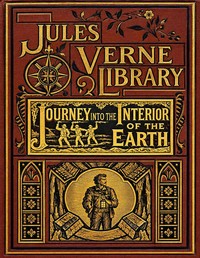
- If you liked Space, try A Man in Full (Tom Wolfe), The Pillars of the Earth (Ken Follett) and Journey to the Center of the Earth (Jules Verne).
A taste of the feed
A knock at the door, twelve light-years from home.
Knock-knock-knock No, that’s not creepy at all. Being in a spaceship twelve light-years from home and having someone knock on the door is totally normal.
Project Hail Mary · Andy Weir
The mirror is honest even when your colleagues are kind.
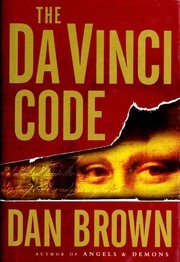
Langdon had little doubt. His books on religious paintings and cult symbology had made him a reluctant celebrity in the art world, and last year Langdon’s visibility had increased a hundred-fold after his involvement in a widely publicized incident at the Vatican. Since then, the stream of self-important historians and art buffs arriving at his door had seemed never-ending.
The Da Vinci Code · Dan Brown
Read pages from books like this, one at a time
Keep reading in the feed