
The Da Vinci Code
Dan Brown, 2003
★ 3.94 from 2.6m ratings on Goodreads
A symbologist is pulled into a murder, a cipher hunt and a centuries-old secret hidden in plain sight across Paris and London. A brisk puzzle chase through museums and churches, told in a plain, lecture-like voice that mixes curiosity, wonder and occasional satire.
Feels like wonder, curiosity and joy. About society, faith and adventure.
Who it’s for
You may enjoy it if you like cipher hunts, art history trivia and thrillers that turn museums and churches into escape routes. Be warned that many readers find the prose weak and repetitive, and even fans often call the writing crude.
Why read it
It offers a fast, curious tour of symbols, paintings and religious history, with a mystery that keeps pages turning even when the sentences do not.
A page from the book
The mirror is honest even when your colleagues are kind.
Langdon had little doubt. His books on religious paintings and cult symbology had made him a reluctant celebrity in the art world, and last year Langdon’s visibility had increased a hundred-fold after his involvement in a widely publicized incident at the Vatican. Since then, the stream of self-important historians and art buffs arriving at his door had seemed never-ending. What readers say
Readers are split: some found it gripping, fun, and mind-opening about religion and history, while others were frustrated by weak prose, repetition, and hype. Even fans often admit the writing is crude.
Dan Brown.Before thrillers, Dan Brown was a singer-songwriter; he released an album called Angels & Demons in 1995, years before the novel of that name.
Books that feel like this
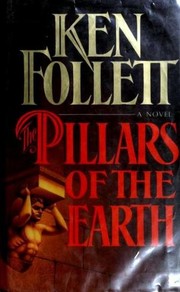
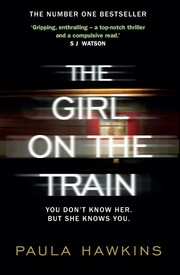
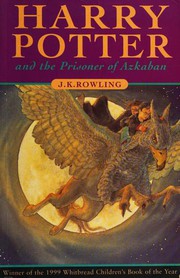
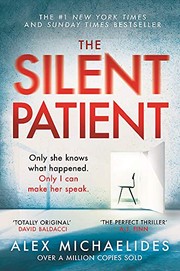
More by Dan Brown
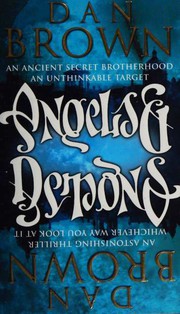
Angels & Demons
Dan Brown, 2000
A Harvard symbologist is pulled from his bed into one night of pursuit beneath Rome, where a corpse is branded with a sign only he can read.
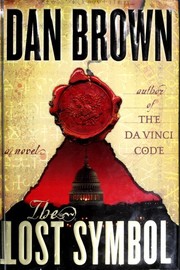
The Lost Symbol
Dan Brown, 2009
A symbologist is summoned to Washington for a lecture and pulled into one night of Masonic codes, hidden monuments and a missing mentor.
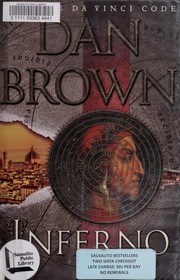
Inferno
Dan Brown, 2013
A Harvard symbologist wakes in a Florence hospital with two days missing, a killer outside, and a trail hidden in Dante's hell.
Where to get it
Some of these links earn us a small commission, at no cost to you. It keeps BookFeed free.
Questions readers ask
- Is The Da Vinci Code for me?
- You may enjoy it if you like cipher hunts, art history trivia and thrillers that turn museums and churches into escape routes. Be warned that many readers find the prose weak and repetitive, and even fans often call the writing crude.
- What is The Da Vinci Code like?
- A brisk puzzle chase through museums and churches, told in a plain, lecture-like voice that mixes curiosity, wonder and occasional satire. Feels like wonder, curiosity and joy. About society, faith and adventure.
- What should I read after The Da Vinci Code?
- If you liked The Da Vinci Code, try The Pillars of the Earth (Ken Follett), The Girl on the Train (Paula Hawkins) and Harry Potter and the Prisoner of Azkaban (J. K. Rowling).
A taste of the feed
A home you can't stop looking at, even though it hurts.
I lived at number twenty-three Blenheim Road for five years, blissfully happy and utterly wretched. I can’t look at it now. That was my first home. Not my parents’ place, not a flatshare with other students, my first home. I can’t bear to look at it. Well, I can, I do, I want to, I don’t want to, I try not to. Every day I tell myself not to look, and every day I look. I can’t help myself, even though there is nothing I want to see there, even though anything I do see will hurt me.
The Girl on the Train · Paula Hawkins
The story we invent to keep friends from seeing what we are.
Now, my three friends could hardly fail to notice that I disappeared once a month. I made up all sorts of stories. I told them my mother was ill, and that I had to go home to see her... I was terrified they would desert me the moment they found out what I was. But of course, they, like you, Hermione, worked out the truth...
Harry Potter and the Prisoner of Azkaban · J. K. Rowling
What it costs to answer no questions when the charge is murder.
The following day, she lay in bed in a private room at the hospital. The police questioned her in the presence of her lawyer. Alicia remained silent throughout the interview. Her lips were pale, bloodless; they fluttered occasionally but formed no words, made no sounds. She answered no questions. She could not, would not, speak. Nor did she speak when charged with Gabriel’s murder. She remained silent when she was placed under arrest, refusing to deny her guilt or confess it.
The Silent Patient · Alex Michaelides
Read pages from books like this, one at a time
Keep reading in the feed