
The Pillars of the Earth
Ken Follett, 1989
Historical fiction FantasyContemporary fictionLiterary fiction
A master mason risks his family’s safety to chase the building of a cathedral in 12th-century England, where faith and power collide. The novel moves with a steady, sometimes theatrical pulse, mixing cathedral-building detail, political scheming, and moments of quiet awe.
Feels like awe and serenity. About society.
Who it’s for
You may like it if you enjoy long historical novels about craft, faith, and power in medieval England. Be ready for a very long book, with stretches where cathedral-building detail and political maneuvering slow the story.
Why read it
For a sense of how ordinary work and grand ambition shape a town, it offers a patient, vivid picture of medieval life.
A page from the book
The few seconds between a charging war-horse and a child in the wheat.
For an instant Tom stood still in a sick panic. Then he leaped forward, shouting and waving his arms; but this was a war-horse, trained to charge at yelling hordes, and it did not flinch. Martha stood in the middle of the narrow path, staring as if transfixed by the huge beast bearing down on her. There was a moment when Tom realized desperately that he could not get to her before the horse did. He swerved to one side, his arm touching the standing wheat; and at the last instant the horse swerved to the other side. The rise’s stirrup brushed Martha’s fine hair; a hoof stamped a hole in the ground beside her bare foot; then the horse had gone by, spraying them both with dirt, and Tom snatched her up in his arms and held her tight to his pounding heart. Ken Follett.Ken Follett worked as a newspaper reporter before turning to thrillers; he has said the idea for this novel grew from his fascination with medieval cathedrals.
Books that feel like this
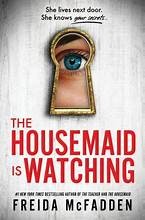
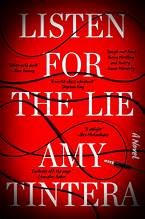
More by Ken Follett
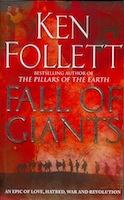
Fall of Giants
Ken Follett, 2010
Five families, a Welsh mining boy, and the First World War: a historical saga about ordinary people caught in the machinery of empire.
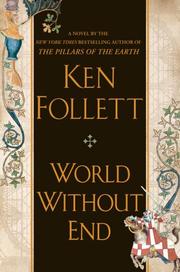
World Without End
Ken Follett, 2007
In fourteenth-century Kingsbridge, four children who witness a secret grow into adults divided by ambition, faith and plague. Follett’s medieval world is grimy, gripping and full of moral price.
Where to get it
Some of these links earn us a small commission, at no cost to you. It keeps BookFeed free.
Questions readers ask
- Is The Pillars of the Earth for me?
- You may like it if you enjoy long historical novels about craft, faith, and power in medieval England. Be ready for a very long book, with stretches where cathedral-building detail and political maneuvering slow the story.
- What is The Pillars of the Earth like?
- The novel moves with a steady, sometimes theatrical pulse, mixing cathedral-building detail, political scheming, and moments of quiet awe. Feels like awe and serenity. About society.
- What should I read after The Pillars of the Earth?
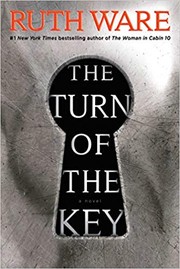
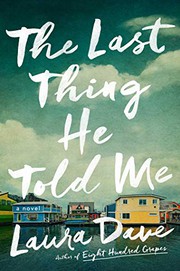
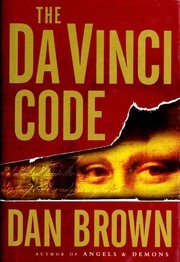
- If you liked The Pillars of the Earth, try The Turn of the Key (Ruth Ware), The Last Thing He Told Me (Laura Dave) and The Da Vinci Code (Dan Brown).
A taste of the feed
The line works as a thesis for the epistolary thriller: the narrator’s voice is both evidence and defence.
People do go mad, you know, if you stop them from sleeping for long enough...
The Turn of the Key · Ruth Ware
How a tragedy hides inside an ordinary Tuesday.
This is the terrible thing about a tragedy. It isn’t with you every minute. You forget it, and then you remember it again.
The Last Thing He Told Me · Laura Dave
The mirror is honest even when your colleagues are kind.
Langdon had little doubt. His books on religious paintings and cult symbology had made him a reluctant celebrity in the art world, and last year Langdon’s visibility had increased a hundred-fold after his involvement in a widely publicized incident at the Vatican. Since then, the stream of self-important historians and art buffs arriving at his door had seemed never-ending.
The Da Vinci Code · Dan Brown
Read pages from books like this, one at a time
Keep reading in the feed