
In Search of Excellence
Thomas J. Peters, 1982
★ 3.91 from 13.8k ratings on Goodreads
A field guide to why the best-run companies obsess over values as much as strategy—still useful for anyone building a team, a brand, or a career. The tone is plain and curious, with a brisk consultant's ambition and a moral streak about how companies treat people.
Feels like curiosity, wonder and hope. About ambition, society and morality.
Who it’s for
You may like it if you enjoy management case studies, care about workplace values, and want practical lessons from how leaders build teams and brands. Be prepared for dated examples, repetition, and a long overall length, and note that some cited companies later struggled, which weakens the research's shine.
Why read it
It offers a plain-spoken way to think about values, customer closeness, and employee respect as practical management tools, not slogans.
A page from the book
Can a company be excellent without knowing what it stands for?
Every excellent company we studied is clear on what it stands for, and takes the process of value shaping seriously. In fact, we wonder whether it is possible to be an excellent company without clarity on values and without having the right sorts of values. What readers say
Readers often call it a business classic with enduring management principles, especially customer closeness and respect for employees. Others find it dated, repetitive, and overly long, and some doubt its research because many cited companies later struggled.
Thomas J. Peters.Tom Peters was a McKinsey consultant when he co-wrote the book; it grew from a study of 43 American companies and became one of the best-selling business books ever.
Books that feel like this



Where to get it
Some of these links earn us a small commission, at no cost to you. It keeps BookFeed free.
Questions readers ask
- Is In Search of Excellence for me?
- You may like it if you enjoy management case studies, care about workplace values, and want practical lessons from how leaders build teams and brands. Be prepared for dated examples, repetition, and a long overall length, and note that some cited companies later struggled, which weakens the research's shine.
- What is In Search of Excellence like?
- The tone is plain and curious, with a brisk consultant's ambition and a moral streak about how companies treat people. Feels like curiosity, wonder and hope. About ambition, society and morality.
- What should I read after In Search of Excellence?
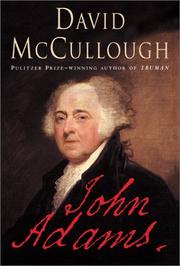
- If you liked In Search of Excellence, try Atomic Habits (James Clear), The Joy of Sex (Alex Comfort) and John Adams (David McCullough).
A taste of the feed
A few degrees at takeoff, a different city entirely.
The impact created by a change in your habits is similar to the effect of shifting the route of an airplane by just a few degrees. Imagine you are flying from Los Angeles to New York City. If a pilot leaving from LAX adjusts the heading just 3.5 degrees south, you will land in Washington, D.C., instead of New York. Such a small change is barely noticeable at takeoff—the nose of the airplane moves just a few feet—but when magnified across the entire United States, you end up hundreds of miles apart.
Atomic Habits · James Clear
A revolution begins in minds, long before the first shot.
As to the history of the revolution, my ideas may be peculiar, perhaps singular. What do we mean by the Revolution? The war? That was no part of the revolution; it was only an effect and consequence of it. The revolution was in the minds of the people, and this was effected from 1760–1775, in the course of fifteen years, before a drop of blood was shed at Lexington.
John Adams · David McCullough
The case for leaving your door open and your calendar empty.
Most people are surprised by the way I work. I play it very loose. I don’t carry a briefcase. I try not to schedule too many meetings. I leave my door open. You can’t be imaginative or entrepreneurial if you’ve got too much structure. I prefer to come to work each day and just see what develops.
Trump · Donald Trump with Tony Schwartz
Read pages from books like this, one at a time
Keep reading in the feed