
Ender's Game
Orson Scott Card, 1985
★ 4.31 from 1.5m ratings on Goodreads
A gifted child is recruited to a space battle school where the games are real and the adults never explain the rules. A tense, idea-driven war story that moves quickly through battle games and moral unease, with a cold, watchful voice.
Feels like wonder, dread and longing. About power, war and morality.
Who it’s for
You may like it if you enjoy clever child protagonists, tactical puzzles, and science fiction that asks hard questions about war. Be warned that the repeated battle-school exercises can feel long, and the supporting characters stay fairly thin.
Why read it
It offers a sharp, uncomfortable look at how games and military training can blur, and at what a gifted child is asked to give up.
A page from the book
What if understanding someone is the first step toward destroying them?
“In the moment when I truly understand my enemy, understand him well enough to defeat him, then in that very moment I also love him. I think it’s impossible to really understand somebody, what they want, what they believe, and not love them the way they love themselves. And then, in that very moment when I love them... I destroy them. -”“You beat them.” For a moment she was not afraid of his understanding.“No, you don’t understand. I destroy them. I make it impossible for them to ever hurt me again. I grind them and grind them until they don’t exist.” What readers say
Readers respond with admiration and strong emotional investment in the isolated child protagonist, while many also report frustration with repetitive battle training, thin character work, and a manipulative military world. The split is genuine.
Orson Scott Card.Card first published Ender's Game as a 1977 novella, then expanded it into the 1985 novel to set up its sequel, Speaker for the Dead.
Books that feel like this
Where to get it
Some of these links earn us a small commission, at no cost to you. It keeps BookFeed free.
Questions readers ask
- Is Ender's Game for me?
- You may like it if you enjoy clever child protagonists, tactical puzzles, and science fiction that asks hard questions about war. Be warned that the repeated battle-school exercises can feel long, and the supporting characters stay fairly thin.
- What is Ender's Game like?
- A tense, idea-driven war story that moves quickly through battle games and moral unease, with a cold, watchful voice. Feels like wonder, dread and longing. About power, war and morality.
- What should I read after Ender's Game?
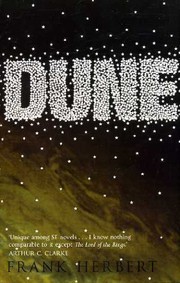
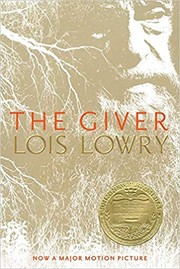
- If you liked Ender's Game, try Dune (Frank Herbert), The Giver (Lois Lowry) and Project Hail Mary (Andy Weir).
A taste of the feed
What to say to yourself when fear arrives and will not leave.
I must not fear. Fear is the mind-killer. Fear is the little-death that brings total obliteration. I will face my fear. I will permit it to pass over me and through me. And when it has gone past I will turn the inner eye to see its path. Where the fear has gone there will be nothing. Only I will remain.
Dune · Frank Herbert
A word that sounds like mercy is used for the worst punishment.
NEEDLESS TO SAY, HE WILL BE RELEASED, the voice had said, followed by silence. There was an ironic tone to that finally message, as if the Speaker found it amusing; and Jonas had smiled a little, though he knew what a grim statement it had been. For a contributing citizen to be released from the community was a final decision, a terrible punishment, an overwhelming statement of failure.
The Giver · Lois Lowry
A knock at the door, twelve light-years from home.
Knock-knock-knock No, that’s not creepy at all. Being in a spaceship twelve light-years from home and having someone knock on the door is totally normal.
Project Hail Mary · Andy Weir
Read pages from books like this, one at a time
Keep reading in the feed