
Σημειώσεις από το υπόγειο
Fyodor Dostoyevsky (1821–1881), 1864
Ένας γραφιάς της Πετρούπολης εξηγεί εκτενώς, χωρίς να τον συμφέρει, γιατί δεν θα μπορούσε ποτέ να γίνει αξιοπρεπής άνθρωπος: το πρώτο πορτρέτο ενός ανθρώπου που σκέφτεται υπερβολικά. Η φωνή ενός γραφιά σε βάζει σε μια ανήσυχη, φιλοσοφική εξομολόγηση, που προχωρά με επιμονή και γυρίζει ξανά στις ίδιες σκέψεις.
Ατμόσφαιρα: ανησυχία και θαυμασμός. Μιλά για την ελευθερία.
Σε ποιον ταιριάζει
Μπορεί να σου αρέσει αν σε τραβά ο εσωτερικός μονόλογος και θέλεις να δεις πώς η υπερανάλυση συγκρούεται με την αξιοπρέπεια και την ελευθερία. Ο γραφιάς μιλά εκτενώς και συχνά αντιλέγει στον εαυτό του, οπότε η αφήγηση ζητά υπομονή.
Γιατί να το διαβάσεις
Γραμμένο το 1864, το μυθιστόρημα δίνει ранний και διεισδυτικό πορτρέτο ενός ανθρώπου που σκέφτεται υπερβολικά, χρήσιμο για να ξαναδείς τις βεβαιότητες γύρω από τη λογική και την ελευθερία.
Σελίδες από το βιβλίο
Η συνείδηση ως διάγνωση: όταν έχεις πάρα πολλή, δεν μπορείς να ζήσεις.
I want now to tell you, gentlemen, whether you care to hear it or not, why I could not even become an insect. I tell you solemnly, that I have many times tried to become an insect. But I was not equal even to that. I swear, gentlemen, that to be too conscious is an illness—a real thorough-going illness. For man’s everyday needs, it would have been quite enough to have the ordinary human consciousness, that is, half or a quarter of the amount which falls to the lot of a cultivated man of our unhappy nineteenth century, especially one who has the fatal ill-luck to inhabit Petersburg, the most theoretical and intentional town on the whole terrestrial globe. (There are intentional and unintentional towns.) It would have been quite enough, for instance, to have the consciousness by which all so-called direct persons and men of action live. Η ικανοποίηση να αρνείσαι να συμφωνήσεις με έναν πέτρινο τοίχο.
Merciful Heavens! but what do I care for the laws of nature and arithmetic, when, for some reason I dislike those laws and the fact that twice two makes four? Of course I cannot break through the wall by battering my head against it if I really have not the strength to knock it down, but I am not going to be reconciled to it simply because it is a stone wall and I have not the strength. Βογκά όλη νύχτα, ξέρει πως δεν βοηθά κανέναν και το απολαμβάνει.
His moans become nasty, disgustingly malignant, and go on for whole days and nights. And of course he knows himself that he is doing himself no sort of good with his moans; he knows better than anyone that he is only lacerating and harassing himself and others for nothing; he knows that even the audience before whom he is making his efforts, and his whole family, listen to him with loathing, do not put a ha’porth of faith in him, and inwardly understand that he might moan differently, more simply, without trills and flourishes, and that he is only amusing himself like that from ill-humour, from malignancy. Well, in all these recognitions and disgraces it is that there lies a voluptuous pleasure. As though he would say: “I am worrying you, I am lacerating your hearts, I am keeping everyone in the house awake. Fyodor Dostoyevsky.Ο Ντοστογιέφσκι το έγραψε το 1864, τη χρονιά που πέθαναν πρώτα η γυναίκα του, Μαρία, κι ύστερα ο αδελφός του, Μιχαήλ. Έπαιζε χαρτιά και είχε χρέη, ενώ το περιοδικό που το δημοσίευε σε συνέχειες έκλεισε λίγο αργότερα.
Βιβλία με παρόμοια αίσθηση




Πού θα το βρεις
Από κάποιους από αυτούς τους συνδέσμους παίρνουμε μια μικρή προμήθεια, χωρίς επιπλέον κόστος για σένα. Έτσι το BookFeed μένει δωρεάν.
Ερωτήσεις αναγνωστών
- Μου ταιριάζει το «Σημειώσεις από το υπόγειο»;
- Μπορεί να σου αρέσει αν σε τραβά ο εσωτερικός μονόλογος και θέλεις να δεις πώς η υπερανάλυση συγκρούεται με την αξιοπρέπεια και την ελευθερία. Ο γραφιάς μιλά εκτενώς και συχνά αντιλέγει στον εαυτό του, οπότε η αφήγηση ζητά υπομονή.
- Πώς είναι το «Σημειώσεις από το υπόγειο»;
- Η φωνή ενός γραφιά σε βάζει σε μια ανήσυχη, φιλοσοφική εξομολόγηση, που προχωρά με επιμονή και γυρίζει ξανά στις ίδιες σκέψεις. Ατμόσφαιρα: ανησυχία και θαυμασμός. Μιλά για την ελευθερία.
- Τι να διαβάσω μετά το «Σημειώσεις από το υπόγειο»;
- Αν σου άρεσε το «Σημειώσεις από το υπόγειο», δοκίμασε «Notes from Underground» (Fyodor Dostoevsky), «Ήρωας του καιρού μας» (Mikhail Lermontov) και «Τα έργα του Έντγκαρ Άλαν Πόου» (Edgar Allan Poe).
Μια γεύση από τη ροή
The injury that lasts longer than a blow: being looked through.
I was standing by the billiard-table and in my ignorance blocking up the way, and he wanted to pass; he took me by the shoulders and without a word—without a warning or explanation—moved me from where I was standing to another spot and passed by as though he had not noticed me. I could have forgiven blows, but I could not forgive his having moved me without noticing me.
Notes from Underground · Fyodor Dostoevsky
Η λογική της εκδίκησης, απλωμένη με τρομακτική υπομονή.
The thousand injuries of Fortunato I had borne as I best could; but when he ventured upon insult, I vowed revenge. You, who so well know the nature of my soul, will not suppose, however, that I gave utterance to a threat. At length I would be avenged; this was a point definitively settled—but the very definitiveness with which it was resolved, precluded the idea of risk. I must not only punish, but punish with impunity. A wrong is unredressed when retribution overtakes its redresser. It is equally unredressed when the avenger fails to make himself felt as such to him who has done the wrong.
Τα έργα του Έντγκαρ Άλαν Πόου · Edgar Allan Poe
Πώς θα ήταν να κοιτάζεις τον κόσμο χωρίς να θέλεις τίποτα.
Everything, in contemplation, that is personal or private, everything that depends upon habit, self-interest, or desire, distorts the object, and hence impairs the union which the intellect seeks. By thus making a barrier between subject and object, such personal and private things become a prison to the intellect. The free intellect will see as God might see, without a here and now, without hopes and fears, without the trammels of customary beliefs and traditional prejudices, calmly, dispassionately, in the sole and exclusive desire of knowledge—knowledge as impersonal, as purely contemplative, as it is possible for man to attain.
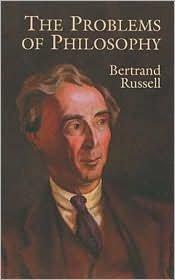
Τα προβλήματα της φιλοσοφίας · Bertrand Russell
Διάβασε σελίδες από βιβλία σαν αυτό, μία τη φορά
Συνέχισε στη ροή